

Skillet Pork Chops with Creamy Mustard Sauce

Cook skillet pork chops with creamy mustard sauce in about 30 minutes, with a thermometer-first method for juicy pork and a smooth pan sauce.
Printable Recipe Card
Skillet Pork Chops with Creamy Mustard Sauce
Cook skillet pork chops with creamy mustard sauce in about 30 minutes, with a thermometer-first method for juicy pork and a smooth pan sauce.
10 minutes
20 minutes
30 minutes
4 servings
Dinner
American
4 servings
490 calories
Equipment
Large skillet
Tongs
Instant-read thermometer
Ingredients
- 4 boneless pork chops, about 6 ounces each and 1 inch thick
- 1/2 teaspoon kosher salt, or to taste
- 1/4 teaspoon black pepper
- 1 tablespoon olive oil
- 1 tablespoon unsalted butter
- 1 shallot, finely chopped
- 2 garlic cloves, minced
- 1/2 cup reduced-sodium chicken broth
- 1/2 cup heavy cream
- 1 tablespoon Dijon mustard
- 1 tablespoon whole-grain mustard
- 1/2 teaspoon dried thyme
Instructions
- Pat pork chops dry and season with salt and pepper. Heat oil in a large skillet over medium-high heat.
- Sear chops about 3 to 5 minutes per side, adjusting heat to prevent burning, until the thickest center reaches 145 degrees F. Transfer to a plate and rest at least 3 minutes.
- Reduce heat to medium. Add butter and shallot and cook 2 minutes, then garlic for 30 seconds.
- Add broth and scrape up browned, not burned, bits. Simmer 2 to 3 minutes, then reduce heat and stir in cream, both mustards, and thyme.
- Simmer gently until the sauce lightly coats a spoon. Return chops and resting juices briefly to warm, without overcooking. Spoon sauce over each serving.
Notes
Nutrition is an estimate per serving, not a laboratory analysis. Brands, substitutions, and portion sizes affect the values. Image is an AI-generated illustration. This newly developed recipe has not been independently kitchen-tested. Use fresh thyme instead of dried or add cooked mushrooms. Bone-in chops require different cooking times.
Storage
Refrigerate within 2 hours and use within 3 to 4 days. Store chops with sauce to reduce drying.
Reheating
Reheat gently with a splash of broth to 165 degrees F without prolonged boiling.
Variations
Use fresh thyme instead of dried or add cooked mushrooms. Bone-in chops require different cooking times.
Nutrition
Skillet pork chops with creamy mustard sauce use a quick sear, a short rest, and a pan sauce made with broth, cream, Dijon, and whole-grain mustard. The chops keep their browned edges while the sauce stays tangy rather than overwhelmingly rich. It is a useful dinner when you want a small number of familiar ingredients and a sauce that can dress potatoes or vegetables too.
The thickness of the chops matters more than the package count. This version uses boneless chops about one inch thick. Thin cutlets cook much faster, while very thick bone-in chops need a different timing plan. Use a thermometer rather than waiting for the meat to lose every trace of pink, since lean pork can dry out while you chase color.
Choose Similar Chops and Dry Their Surfaces
Pat the pork dry before seasoning so the pan can brown it rather than immediately steaming the surface. Trim only excessive external fat, leaving a little for flavor if you prefer. Similar thicknesses make the meal easier to time. If one chop is much thicker, expect to check it separately and remove the thinner pieces first.
Plain pork gives you control over salt and mustard flavor. Enhanced or preseasoned packages can contain additional sodium, so read the label and reduce added salt if needed. A short seasoning rest while you prepare the sauce components is useful, but raw pork should not sit at room temperature for an extended period.
Sear Without Moving the Meat Constantly
Heat oil in a heavy skillet over medium-high heat, then add the chops with room around them. Let the first side develop color before turning. Repeatedly lifting or sliding the meat prevents steady contact with the hot pan. If your skillet is small, work in two batches rather than stacking the pieces close enough to trap moisture.
Browned bits on the bottom become part of the sauce. Black burnt patches are different and should not be scraped into cream. Reduce the heat if the pan begins smoking heavily. A little butter can be added after the initial sear for flavor, but starting with a large amount over excessive heat makes burning more likely.
Cook Pork to Temperature, Then Rest
The thickest part should reach 145 degrees F, followed by at least a three-minute rest before eating. Insert a thermometer from the side toward the center for a clearer reading. The final cooking time depends on thickness, skillet material, and how hot the meat was at the start. A golden exterior is not proof of a safely cooked center.
Move finished chops to a clean plate and tent loosely while making the sauce. If one piece is not ready, leave it in the pan briefly while the others rest. Do not cook every chop longer just because one thick portion needs more time. Lean pork benefits from stopping at the right moment rather than simmering indefinitely in cream.
Build the Sauce From the Browned Pan
Lower the heat and soften a little shallot or onion, then add garlic briefly. Pour in broth and scrape the brown fond with a wooden spoon. Let the liquid reduce slightly before adding cream. This gives the sauce depth without requiring a large amount of extra butter. Low-sodium broth keeps seasoning flexible.
Shallot pieces should be small enough to soften quickly. Large raw onion chunks can remain sharp in a short sauce. If the pan is very hot from searing, give it a moment before adding garlic so it does not burn instantly. The sauce stage should feel controlled and gentle rather than like another high-heat sear.
Combine Smooth and Whole-Grain Mustard
Dijon gives a smooth tang, while whole-grain mustard leaves visible seeds and a softer texture. Stir them into the cream sauce and taste before adding salt. Mustard brands vary in acidity and sodium, so the measured amount is a starting balance rather than a reason to stop tasting. A small amount of thyme complements the pork.
If the sauce tastes too sharp, a little more cream can soften it. If too rich, a small squeeze of lemon helps, but add gradually because mustard already brings acidity. Honey is an optional variation, not part of the base sauce. A large sweet addition turns it into a different honey-mustard dinner.
Return the Pork Only Briefly
Once the sauce lightly coats a spoon, return the rested chops and any clean plate juices to warm for a minute. Do not boil the meat in the finished sauce for a long time. The sauce should sit around and partly over the chops without completely hiding them. If it thickens too far, loosen with warm broth.
Serve with roasted garlic mashed potatoes and a green vegetable. The roasted Brussels sprouts provide a contrasting texture. For a fruit-and-pork option on another night, the cranberry Dijon roast uses a different cut and longer cooking method.
Store Sauce With the Chops
Refrigerate leftovers within two hours and use within three to four days. Keeping a little sauce with the meat helps protect its surface. Reheat gently, covered, with a spoonful of broth until leftovers reach 165 degrees F. The meat may firm after reheating, so avoid repeatedly warming the same portion.
Freezing is possible but can change the cream sauce texture. For the best fresh result, sear the chops and make the sauce close to serving. Nutrition is estimated for four servings of pork and sauce only, without mashed potatoes or vegetables. Chops vary in fat content and trimmed weight, so use their package information if you need a more exact meal calculation.
Variations
Use fresh thyme instead of dried or add cooked mushrooms. Bone-in chops require different cooking times.
Storage and Reheating
Refrigerate within 2 hours and use within 3 to 4 days. Store chops with sauce to reduce drying.
Food Safety Source
For safe cooking temperatures and food handling basics, see the USDA safe minimum internal temperature chart.
Frequently Asked Questions
Can I use thin chops?
Yes, but they cook much faster. Start checking early and use internal temperature rather than the stated time.
What is the safe temperature for pork chops?
Cook whole pork chops to 145 degrees F, then rest at least 3 minutes before eating.
Why is my sauce bitter?
Burned fond or scorched garlic can create bitterness. Lower the heat and discard burned bits before making sauce.
Can I replace whole-grain mustard?
Use Dijon, starting with a little less and adjusting to taste because brands vary in strength.
More Recipes You'll Love

Easy Country Fried Pork Chops Recipe with Rich Bacon Gravy
Crispy country fried pork chops served with a rich and creamy bacon gravy for a classic Southern comfort dinner.
View Recipe
Golden Fried Pork Chops with Savory Bacon Gravy
Crispy country-fried pork chops served with a rich homemade bacon gravy for a comforting, Southern-style dinner.
View Recipe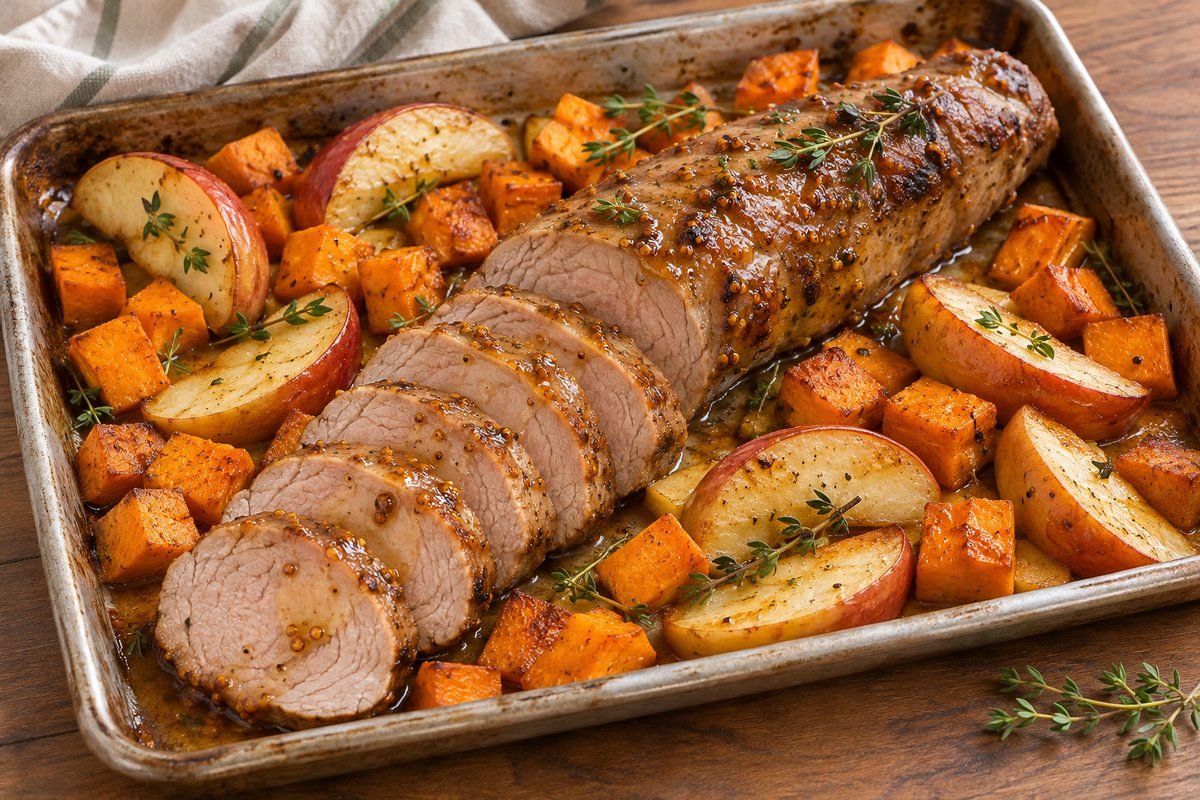
Maple Dijon Pork Tenderloin with Apples and Sweet Potatoes
A sheet-pan pork tenderloin dinner with a tangy maple Dijon glaze, roasted apples, red onion, and sweet potatoes that ge
View Recipe
Easy Homemade Scalloped Potatoes (Rich, Cheesy & Tender)
Tender sliced potatoes baked in a rich, creamy cheddar cheese sauce until golden and bubbly.
View Recipe