

Maple Dijon Pork Tenderloin with Apples and Sweet Potatoes

A sheet-pan pork tenderloin dinner with a tangy maple Dijon glaze, roasted apples, red onion, and sweet potatoes that get a head start in the oven.
Printable Recipe Card
Maple Dijon Pork Tenderloin with Apples and Sweet Potatoes
A sheet-pan pork tenderloin dinner with a tangy maple Dijon glaze, roasted apples, red onion, and sweet potatoes that get a head start in the oven.
20 minutes
40 minutes
65 minutes
6 servings
Dinner
American
6 servings
450 calories
Equipment
Large rimmed sheet pan
Instant-read thermometer
Pastry brush
Two small bowls
Cutting board
Ingredients
- 2 pork tenderloins, about 1 pound each, silver skin trimmed
- 2 pounds sweet potatoes, peeled and cut into 3/4-inch cubes
- 2 firm apples, cored and cut into thick wedges
- 1 red onion, cut into wedges
- 3 tablespoons olive oil, divided
- 1/4 cup pure maple syrup
- 3 tablespoons Dijon mustard
- 1 tablespoon apple cider vinegar
- 2 garlic cloves, minced
- 1 teaspoon dried thyme
- 1 teaspoon kosher salt, divided, or to taste
- 1/2 teaspoon black pepper
Instructions
- Heat the oven to 425 degrees F. Toss sweet potatoes with 1 tablespoon olive oil, thyme, half the salt, and some pepper. Spread on a large rimmed sheet pan and roast 15 minutes.
- Whisk maple syrup, Dijon, vinegar, garlic, and 1 tablespoon oil in a bowl. Transfer half to a separate clean bowl for finishing; keep its brush or spoon away from raw pork.
- Pat pork dry and season with remaining salt and pepper. Toss apples and onion with the remaining tablespoon oil.
- Turn the sweet potatoes. Add pork, apples, and onion to the pan, keeping everything in a single layer. Brush pork with the raw-meat portion of glaze.
- Roast about 20 to 25 minutes, checking early, until the thickest part of each tenderloin reaches 145 degrees F. If vegetables need longer, remove pork and continue roasting them separately.
- Rest pork on a clean board 5 minutes, including at least the required 3-minute rest. Slice across the grain and serve with vegetables and the clean reserved glaze.
Notes
Total time includes a 5-minute rest. Use pork tenderloin rather than a large pork loin roast. Keep finishing glaze separate from anything that touches raw meat. Nutrition is estimated per serving.
Storage
Refrigerate leftovers within 2 hours and use within 3 to 4 days. Keep pork covered with a little pan juice.
Reheating
Warm covered with a spoonful of water or broth until leftovers reach 165 degrees F. Heat vegetables separately if you want crisper edges.
Variations
Use pears instead of apples or a little rosemary instead of thyme. Choose tart apples for a less sweet plate.
Nutrition
Maple Dijon pork tenderloin with apples and sweet potatoes is a sheet-pan dinner built around a small amount of glaze and a carefully timed roast. The mustard cuts through the maple syrup, apple wedges soften around the edges, and the sweet potatoes pick up browned corners. It feels suited to a Sunday dinner, but you only need one roasting pan and a few minutes of hands-on work to get it into the oven.
The important detail is the cut of pork. Tenderloin is narrow, lean, and quick to cook; pork loin is a larger roast with different timing. This recipe uses two small tenderloins, about one pound each, for six portions. The vegetables go in first because a raw sweet potato needs longer in the oven than the meat. Starting everything together is an easy way to end up with either firm vegetables or dry pork.
Buy Tenderloin Rather Than a Loin Roast
Look for packages labeled pork tenderloin and check how many pieces are inside. A package often contains two. Each piece should be relatively slender, with a thicker center and a tapered end. Trim the thin silver membrane with a sharp knife if it is still attached. Slide the blade just under the membrane and angle it upward so you remove the tough layer without cutting away a large strip of meat.
Choose plain pork when possible. Preseasoned or enhanced packages can contain extra sodium and flavors that compete with Dijon. If your tenderloins are much larger or smaller than one pound, temperature becomes even more important than the suggested cooking range. Tuck a very thin tail under itself so the end does not dry out before the thick section is ready. Leave a little space between the two pieces on the pan.
Give the Sweet Potatoes a Head Start
Cut the sweet potatoes into roughly three-quarter-inch cubes. Very large chunks stay firm in the middle, while tiny dice can burn during the second stage of roasting. Toss them with oil, salt, pepper, and thyme, then spread them in a single layer on a large rimmed sheet pan. Roast for fifteen minutes before you add the pork, apples, and onion. That first stage gets the vegetables moving without overcooking the meat.
A crowded pan holds steam, so use a standard half-sheet pan rather than a small cookie sheet. If your pan cannot hold the ingredients without piling them up, divide the vegetables between two pans. Cut sides that touch the hot metal brown more effectively than surfaces facing upward. Turn the sweet potatoes once when adding the rest of the ingredients, then let the oven do the work instead of repeatedly opening the door.
Make a Glaze That Browns Without Burning
The glaze combines maple syrup, Dijon mustard, apple cider vinegar, garlic, and a little olive oil. Use pure maple syrup for a clear maple flavor rather than pancake syrup. Dijon adds tang and helps the glaze cling to the pork. The vinegar gives the sweet components some balance, which matters because both apples and sweet potatoes already contribute sweetness. Stir the glaze until it looks uniform before dividing it.
Reserve part of the glaze in a clean bowl before any brush touches raw pork. The reserved portion is for finishing the sliced meat, and it should never share a brush or spoon with the raw-meat portion. Brush a thin coat onto the pork rather than pouring a deep puddle over the pan. Sugary glaze can scorch where it collects. If dark spots develop on the metal, add a tablespoon or two of water to that area.
Choose Apples That Keep Their Shape
Firm apples such as Honeycrisp, Pink Lady, or Granny Smith make good wedges for roasting. Leave the peel on for structure and cut each apple into eight thick wedges after removing the core. Very soft apples can collapse into sauce during roasting. That is edible, but it gives a different texture from the distinct apple pieces pictured with this meal. Add the wedges after the sweet potatoes have had their head start.
Red onion adds a savory counterpoint to the fruit. Cut it into thick wedges, leaving a small part of the root end attached to each wedge when practical. Thin slivers can burn before the pork is done. Toss apples and onion with a little oil so exposed edges roast instead of drying out. Rosemary can replace thyme, but use a smaller amount because its flavor is more forceful.
Use Temperature to Protect Lean Pork
Roast the tenderloins at 425 degrees F until the thickest part reaches 145 degrees F, then rest them for at least three minutes before slicing. The recipe allows five minutes of rest for easier carving. Insert an instant-read thermometer from the side toward the center, not through a thin tapered end. A slight pink color can remain in properly cooked pork; the thermometer gives better information than color alone.
Check early if the tenderloins are narrow. Once they are done, move them to a board while the vegetables finish if necessary. Do not keep the pork roasting just because the potatoes need a few more minutes. This is also a useful dinner for learning how your oven behaves: the vegetables can tolerate a short extra roast, while lean tenderloin benefits from being removed at the right moment.
Carve and Serve the Whole Pan
Slice the rested pork across the grain into half-inch medallions. Arrange them alongside the roasted apples, onions, and sweet potatoes, then spoon the clean reserved glaze over the meat. Any juices from the resting board can be added if the pork was cooked safely. You should see a light coating rather than a thick sticky sauce. Taste one vegetable before adding more salt because the mustard and glaze already carry seasoning.
A green salad with cider vinaigrette or steamed green beans makes a useful fresh side. For a larger meal, add garlic butter pull-apart dinner rolls and keep portions of pork modest. If you like fruit paired with savory meat, the site's cranberry Dijon pork roast offers another version with a different cut and longer cooking method.
Keep Pan Juices From Drying Out
A large pan can lose moisture quickly, especially in a convection oven. If the onions begin sticking while the pork is still cooking, add two tablespoons of water around the vegetables. Do not pour water over the meat and wash off its glaze. Those small additions loosen browned bits without turning the meal into a braise. When serving, spoon only the flavorful juices that remain fluid; discard any blackened sugary patches rather than scraping their bitterness onto the sliced pork.
Prep Ahead and Reheat Without Toughening
Mix the glaze and cut the sweet potatoes up to a day ahead, storing them separately in the refrigerator. Slice apples closer to roasting to limit browning. You can trim the pork in advance, but keep it covered on the lowest refrigerator shelf away from ready-to-eat food. Do not use leftover raw-pork glaze as a table sauce. Preparing the finishing portion separately is simpler than trying to rescue a contaminated bowl.
Refrigerate leftovers within two hours and use within three to four days. Slice only what you need for the first meal if you want the remaining pork to hold moisture better. Reheat covered with a spoonful of water or broth until leftovers reach 165 degrees F. The vegetables can be warmed separately for better browned edges. The recipe-card nutrition is an estimate for one sixth of the pork, vegetables, apples, and glaze, with no additional bread or sides.
Variations
Use pears instead of apples or a little rosemary instead of thyme. Choose tart apples for a less sweet plate.
Storage and Reheating
Refrigerate leftovers within 2 hours and use within 3 to 4 days. Keep pork covered with a little pan juice.
Food Safety Source
For safe cooking temperatures and food handling basics, see the USDA safe minimum internal temperature chart.
Frequently Asked Questions
Can I use pork loin instead of tenderloin?
A large loin roast needs different timing and is not a direct replacement. Use two tenderloins of about one pound each for this method.
What temperature should the pork reach?
Cook the thickest part to 145 degrees F and rest at least 3 minutes before slicing. This recipe allows a 5-minute rest.
Why do the sweet potatoes go in first?
They need longer to soften than the pork needs to cook. The head start helps both finish without drying out the meat.
Can I use the glaze left from brushing raw pork?
Do not use it as a finishing sauce. Reserve a clean portion before brushing the raw pork.
More Recipes You'll Love

Easy Cranberry Dijon Pork Roast for Holidays or Sunday Dinner
Juicy pork loin roast coated in Dijon mustard and brown sugar, topped with cranberry apple compote and finished with a s
View Recipe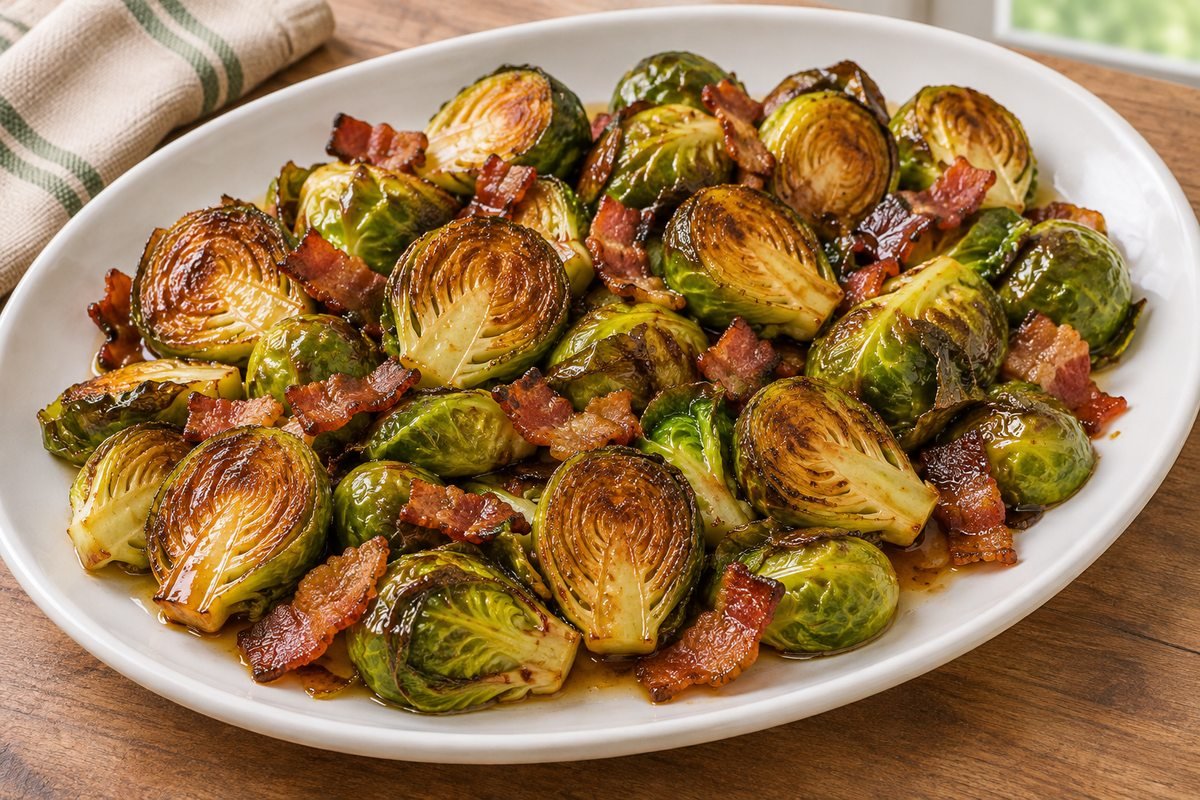
Maple Bacon Roasted Brussels Sprouts
Browned Brussels sprout halves finished with crisp bacon and a light maple-cider glaze. Add the maple at the end for bet
View Recipe
Easy Country Fried Pork Chops Recipe with Rich Bacon Gravy
Crispy country fried pork chops served with a rich and creamy bacon gravy for a classic Southern comfort dinner.
View Recipe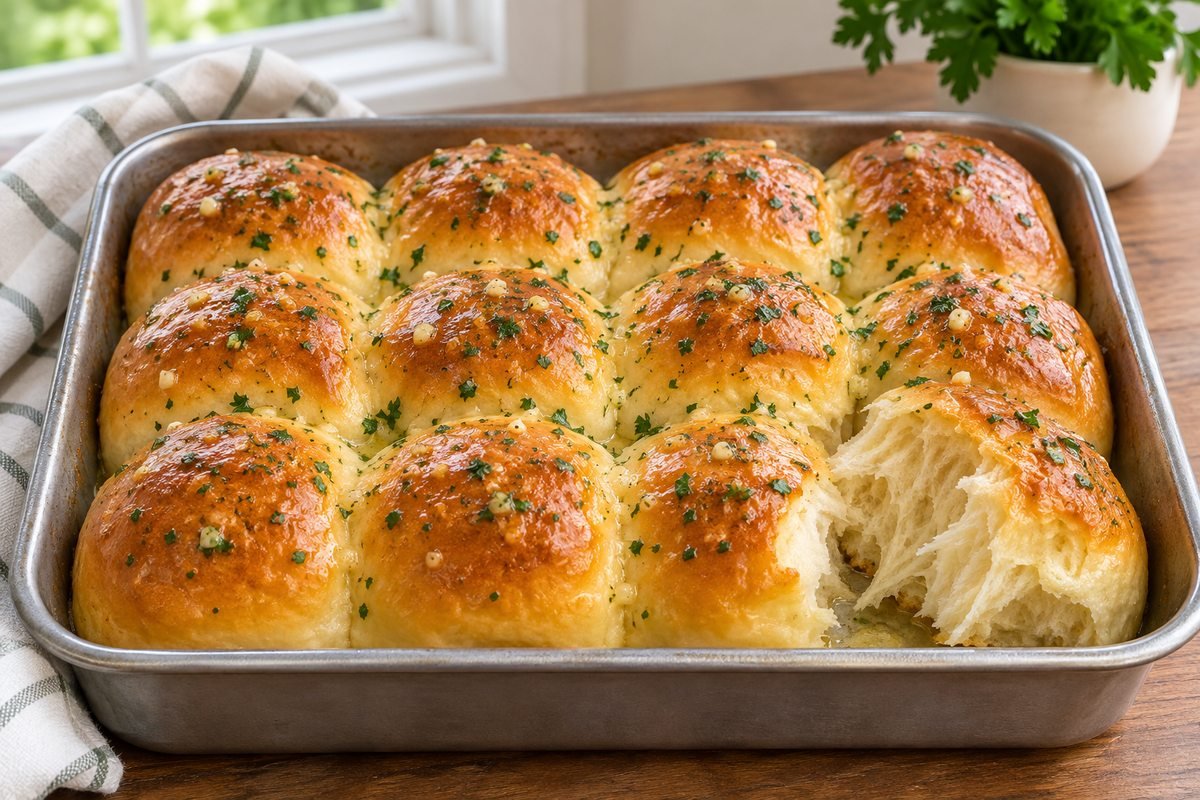
Garlic Butter Pull-Apart Dinner Rolls
Soft homemade yeast rolls baked close together and brushed with warm garlic-parsley butter. The article explains dough f
View Recipe