

Sausage Spinach Breakfast Strata

Make sausage spinach breakfast strata with bread, cheddar, and an egg custard, including overnight prep and tips for a fully set, moist center.
Printable Recipe Card
Sausage Spinach Breakfast Strata
Make sausage spinach breakfast strata with bread, cheddar, and an egg custard, including overnight prep and tips for a fully set, moist center.
25 minutes
55 minutes
130 minutes
8 servings
Breakfast
American
8 servings
460 calories
Equipment
9x13-inch baking dish
Skillet
Whisk
Foil
Thermometer
Ingredients
- 1 pound day-old French bread, cubed
- 1 pound bulk pork breakfast sausage
- 10 ounces frozen chopped spinach, thawed and squeezed dry
- 8 large eggs
- 2 1/2 cups whole milk
- 1/2 cup half-and-half
- 2 teaspoons Dijon mustard
- 1/4 teaspoon fine salt, or less for salty sausage
- 1/2 teaspoon black pepper
- 6 ounces sharp cheddar, grated
Instructions
- Brown and crumble sausage in a skillet to 160 degrees F. Drain excess grease and cool slightly.
- Grease a 9x13-inch baking dish. Scatter bread, sausage, dry spinach, and most of the cheese evenly.
- Whisk eggs, milk, half-and-half, Dijon, salt, and pepper. Pour over the bread, press gently, cover, and refrigerate at least 40 minutes or overnight.
- Heat oven to 350 degrees F. Add remaining cheese, cover loosely with foil, and bake 30 minutes.
- Uncover and bake 20 to 30 minutes more until the center is set and reaches 165 degrees F. Cold pans may need longer.
- Rest 10 minutes before serving.
Notes
Nutrition is an estimate per serving, not a laboratory analysis. Brands, substitutions, and portion sizes affect the values. Image is an AI-generated illustration. This newly developed recipe has not been independently kitchen-tested. Use Swiss instead of cheddar or replace part of the sausage with separately browned mushrooms.
Storage
Refrigerate cooked portions within 2 hours and use within 3 to 4 days. Freeze cooled portions for up to 2 months for quality.
Reheating
Reheat covered to 165 degrees F, then uncover briefly to refresh the top.
Variations
Use Swiss instead of cheddar or replace part of the sausage with separately browned mushrooms.
Nutrition
Sausage spinach breakfast strata is a savory bread-and-egg bake with browned breakfast sausage, wilted spinach, and sharp cheddar. The bread absorbs a seasoned custard overnight or during a shorter refrigerated soak, then bakes into a tender center with a lightly crisp top. It is a practical way to serve breakfast to a group without cooking eggs individually while everyone waits.
A strata depends on the relationship between dry bread and liquid. This version uses a one-pound loaf in a 9x13-inch dish, with enough custard to soften the pieces without leaving a wet layer underneath. Brown the sausage and squeeze moisture from the spinach before assembling. Those two steps keep the bread flavorful and prevent excess water from throwing off the bake.
Pick Bread With Some Structure
Day-old French bread or a plain bakery loaf makes a dependable base. Cut it into one-inch cubes and leave the crusts on for a varied texture. Very soft sandwich bread can collapse under a long soak, while a dense whole-grain loaf may need a little more time to absorb the custard. Avoid bread with a strong sweet flavor unless that contrast is intentional.
If the loaf is fresh, dry the cubes briefly in a low oven and let them cool. They should feel dry at the surface, not hard like deeply toasted croutons. Measure by the loaf's weight when possible. A loosely filled bowl can make a small loaf look deceptively generous, and too little bread creates an egg casserole rather than the layered texture expected from strata.
Brown and Drain the Breakfast Sausage
Break bulk sausage into small crumbles as it cooks. Let a few surfaces brown before stirring repeatedly so the meat develops flavor. Pork breakfast sausage should reach 160 degrees F; poultry sausage needs 165 degrees F. Drain excess grease before layering it over the bread. A little fat is flavorful, but a large amount can leave an oily layer beneath the custard.
Choose a sausage you enjoy because its seasoning carries through the whole dish. A very sweet maple sausage gives a different result from a sage breakfast sausage. If using a strongly salted product, reduce the added salt in the custard. Cooked diced ham is an alternative, but it changes the flavor and requires less browning. The recipe-card estimate uses the listed pork sausage.
Remove Water From the Spinach
Frozen chopped spinach is convenient if thawed and squeezed firmly in a clean towel. Keep squeezing until it no longer releases a stream of liquid. Scatter the compressed spinach apart with your fingers before adding it to the dish. Dense green clumps are less pleasant than small pieces distributed through the bread and sausage.
Fresh spinach also works after wilting in a skillet. Let it cool and squeeze away its moisture, then roughly chop. Do not measure a large pile of raw leaves and assume it equals the listed amount of prepared spinach. The volume changes dramatically during cooking. For a different breakfast with vegetables, egg muffins offer smaller portions and a quicker bake.
Whisk a Smooth, Lightly Seasoned Custard
Eggs, milk, a little half-and-half, Dijon, pepper, and salt form the soaking mixture. Whisk until no separate streaks of egg white remain. Dijon adds a gentle savory note rather than making the dish taste like mustard. Pour slowly over the bread, sausage, spinach, and most of the cheese so the liquid can settle into the spaces between cubes.
Press the top lightly with a broad spoon, then cover and refrigerate. Thirty to forty-five minutes is a useful minimum, while an overnight rest gives more even absorption. The raw egg mixture must stay refrigerated during that time. Keep a little cheese aside for the top, adding it before baking instead of letting it disappear into the overnight custard.
Allow Extra Time for a Cold Pan
Start the bake covered so the middle heats before the exposed bread browns too deeply. Uncover for the final stage to toast the top and melt the reserved cheddar. A pan coming directly from the refrigerator may need longer than a freshly assembled dish. Follow your bakeware's temperature guidance, especially with glass or ceramic that may not tolerate a sudden move from cold storage to a hot oven.
The center should be set rather than liquid, and this sausage-and-egg casserole should reach 165 degrees F. Probe near the middle, not just a browned corner. If the top is done first, tent it again and continue cooking. Rest ten minutes before serving to let the custard settle and make cleaner portions. The first scoop may still be softer than later pieces, which is normal.
Build a Brunch That Feels Balanced
Serve the strata with fresh fruit, sliced tomatoes, or a simple citrus salad. It already contains bread, meat, eggs, and cheese, so another heavy casserole is optional. Coffee and tea can be prepared while the strata rests. For a mix of sweet and savory breakfast dishes, a small portion of pumpkin French toast casserole makes a contrasting option.
Mushrooms can replace part of the sausage if browned first to remove water. Swiss cheese gives a milder finish than sharp cheddar, while a little Gruyere adds a nuttier flavor. Avoid doubling every filling at once. Too much meat or cheese leaves insufficient custard around the bread, and watery vegetables can stop the center from setting as expected.
Keep Leftover Slices Moist
Refrigerate portions within two hours and use within three to four days. Shallow containers cool more efficiently than a tightly covered deep pan. Reheat covered to 165 degrees F, then uncover briefly if you want more top texture. A small splash of milk helps a dry edge, but a large pour can make the bottom soggy.
Freeze cooled portions for up to two months for quality, wrapped tightly to limit drying. Thaw in the refrigerator before reheating. Nutrition is estimated for eight servings with the specified sausage and cheddar. A larger brunch spread may call for smaller portions, while a hearty breakfast could use fewer larger slices. Keep that serving distinction clear when comparing the recipe-card values with your plate.
Variations
Use Swiss instead of cheddar or replace part of the sausage with separately browned mushrooms.
Storage and Reheating
Refrigerate cooked portions within 2 hours and use within 3 to 4 days. Freeze cooled portions for up to 2 months for quality.
Food Safety Source
For safe cooking temperatures and food handling basics, see the USDA safe minimum internal temperature chart.
Frequently Asked Questions
Can I assemble it overnight?
Yes. Refrigerate covered and allow extra baking time if the pan starts cold. Follow your bakeware temperature guidance.
Why should spinach be squeezed dry?
Its extra water can dilute the custard and leave a wet center even when the top looks finished.
Can I use turkey sausage?
Yes. Cook poultry sausage to 165 degrees F before assembly and expect nutrition to change.
How do I know the strata is done?
The middle should be set rather than liquid and reach 165 degrees F for this meat-and-egg casserole.
More Recipes You'll Love

Easy Sausage & Potato Hash with Sunny-Side-Up Eggs
Hearty one-skillet brunch with crispy potatoes, smoked sausage, peppers, and sunny-side eggs.
View Recipe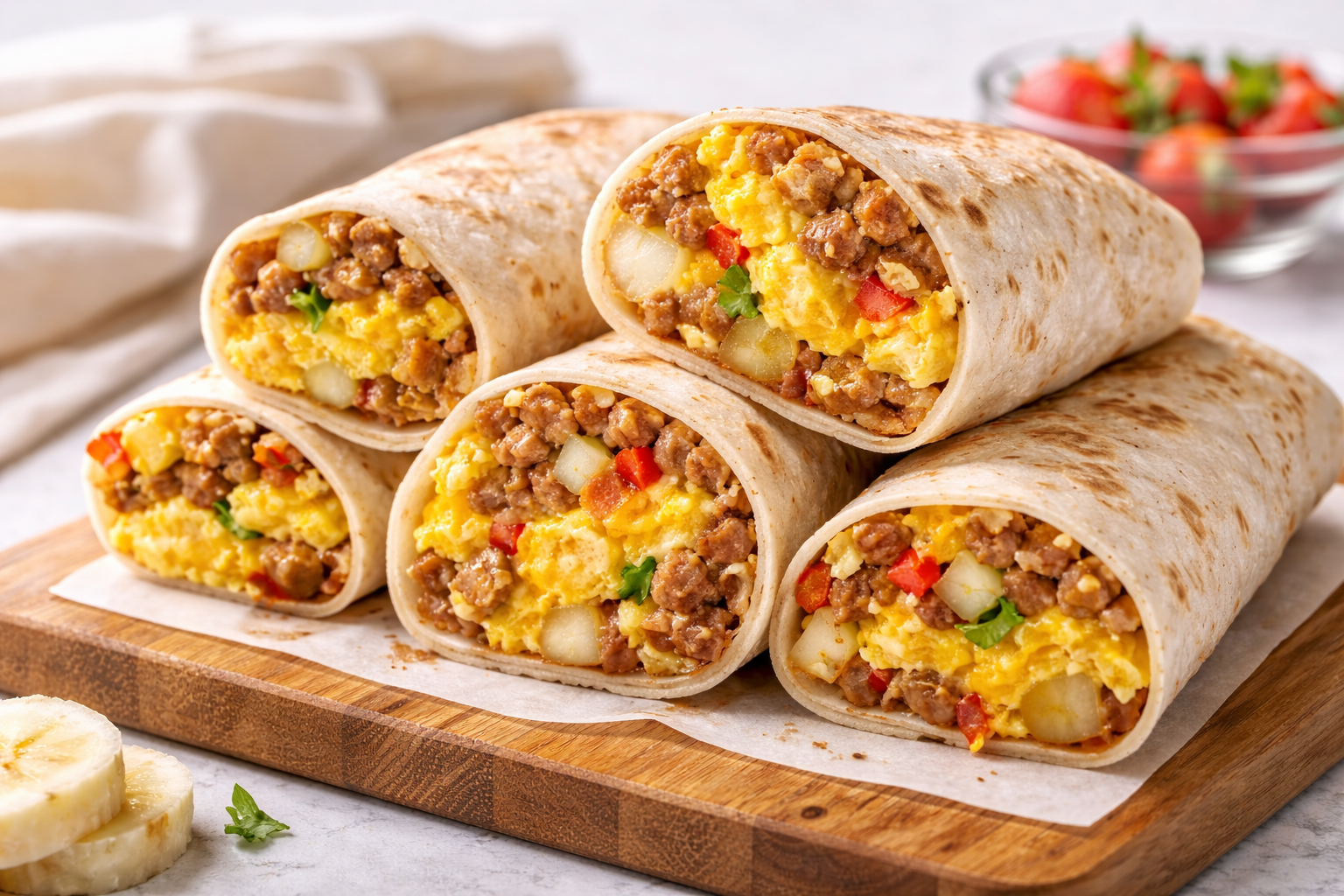
Make-Ahead Breakfast Burritos: The Freezer-Friendly Morning Game-Changer
Hearty, freezer-friendly breakfast burritos packed with eggs, sausage, cheese, and potatoes-perfect for meal prep.
View Recipe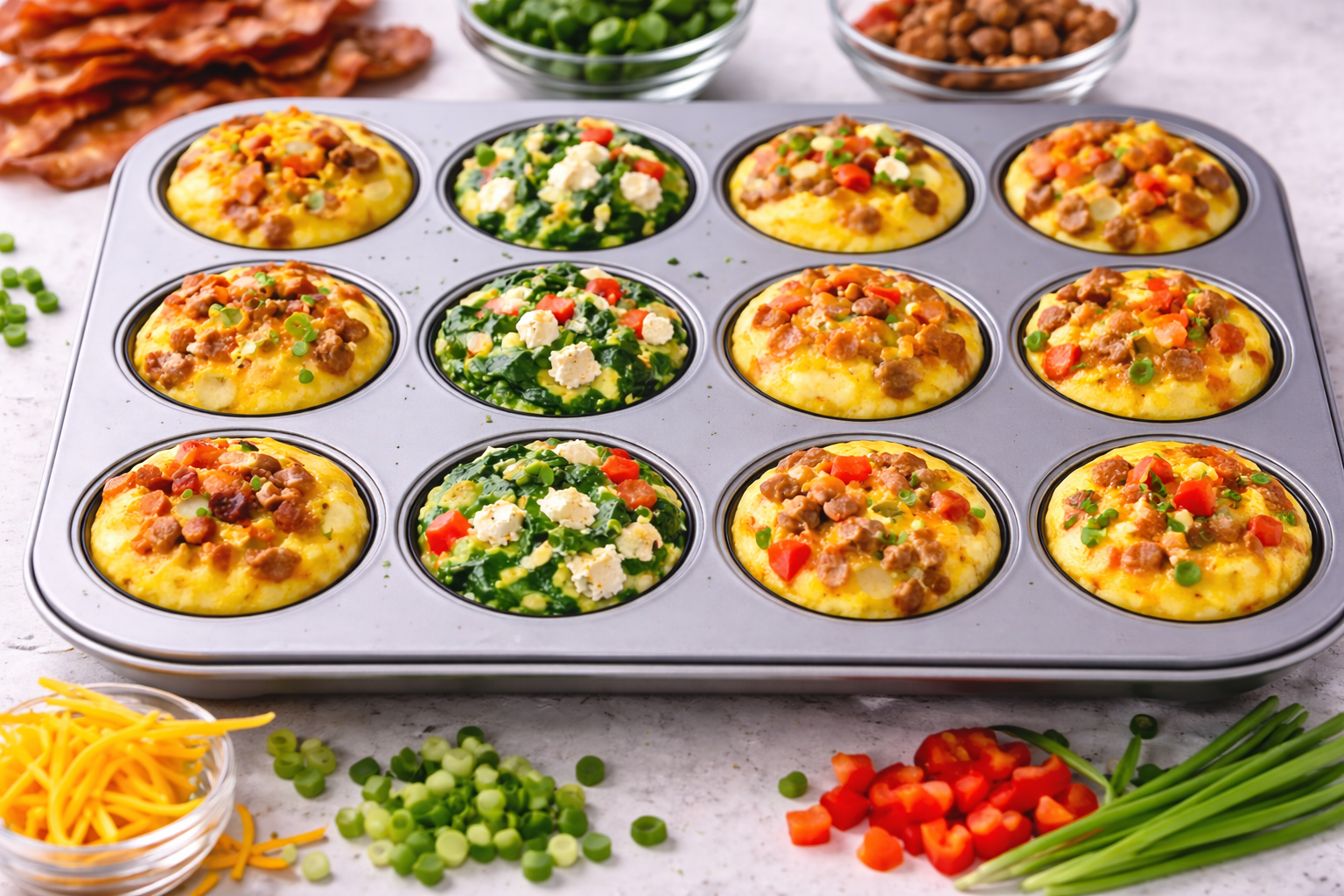
Protein-Packed Egg Muffins for Easy Meal Prep
Protein-packed egg muffins perfect for meal prep, with three easy flavor variations for grab-and-go breakfasts.
View Recipe
Crustless Tomato Basil Mozzarella Quiche (Light, Fluffy & Low-Carb)
Light and fluffy crustless quiche with fresh basil, juicy tomatoes, and melted mozzarella.
View Recipe