

Pumpkin French Toast Casserole with Pecan Topping

Day-old bread soaks in pumpkin custard and bakes under a buttery pecan topping. Prepare it the same morning or refrigerate overnight for brunch.
Printable Recipe Card
Pumpkin French Toast Casserole with Pecan Topping
Day-old bread soaks in pumpkin custard and bakes under a buttery pecan topping. Prepare it the same morning or refrigerate overnight for brunch.
20 minutes
50 minutes
110 minutes
8 servings
Breakfast
American
8 servings
470 calories
Equipment
9x13-inch baking dish
Whisk
Mixing bowls
Foil
Instant-read thermometer
Ingredients
- 1 pound day-old French bread, challah, or brioche, cut into 1-inch cubes
- 6 large eggs
- 2 cups whole milk
- 1 cup half-and-half
- 1 cup plain pumpkin puree, not pie filling
- 1/3 cup packed brown sugar
- 2 teaspoons vanilla extract
- 2 teaspoons ground cinnamon
- 1/2 teaspoon ground ginger
- 1/4 teaspoon ground nutmeg
- 1/8 teaspoon ground cloves
- 1/2 teaspoon fine salt
- 1/2 cup chopped pecans
- 1/4 cup packed brown sugar, for topping
- 3 tablespoons unsalted butter, melted, plus a little for the dish
Instructions
- Grease a 9x13-inch dish and add the bread cubes. If bread is fresh, dry the cubes briefly in a 300-degree-F oven, then cool before using.
- Whisk eggs, milk, half-and-half, pumpkin, 1/3 cup sugar, vanilla, spices, and salt until smooth. Pour over bread and gently press cubes into the custard.
- Cover and refrigerate at least 30 minutes, or 8 to 12 hours overnight. Keep the pecan topping separate.
- Heat oven to 350 degrees F. Mix pecans with 1/4 cup brown sugar and melted butter, then scatter over the soaked bread.
- Cover with foil and bake 25 minutes. Uncover and bake 20 to 30 minutes more until golden and set in the center, with the egg mixture reaching 160 degrees F. Cold overnight casseroles may need extra time.
- Rest 10 minutes before serving. Add maple syrup only if desired.
Notes
Total includes a 30-minute refrigerated soak and 10-minute rest. Overnight soaking adds several hours. Nutrition includes the pecan topping but excludes syrup and whipped cream.
Storage
Refrigerate baked portions within 2 hours and use within 3 to 4 days. Freeze wrapped cooled portions for up to 2 months for quality.
Reheating
Reheat covered to 165 degrees F, then uncover briefly for more top texture. Add syrup after reheating.
Variations
Use an oat crumble instead of pecans for a nut-free version, checking individual allergy needs. French bread makes a less rich version than brioche.
Nutrition
Pumpkin French toast casserole brings together golden bread cubes, a gently spiced pumpkin custard, and a pecan topping that stays crisp around the edges. It is a useful breakfast for mornings when you would rather bake one dish than stand at the stove flipping slices. The center should be soft and custardy, while the top has enough toasted texture to make each scoop interesting. Maple syrup is optional because the casserole already has a little brown sugar.
The recipe begins with sturdy bread that has dried slightly. Fresh sandwich bread can dissolve under the pumpkin custard, while very dense bread may stay dry in the middle. Day-old French bread, challah, or brioche gives a better balance. You can soak the dish briefly and bake the same morning, or refrigerate it overnight. Either way, leave time for a short rest after baking so the custard settles before you serve it.
Dry the Bread Before It Meets the Custard
Cut a one-pound loaf into roughly one-inch cubes. Leaving the crusts on gives the casserole structure and a little color. Spread the cubes on a baking sheet for a few hours, or dry them in a 300-degree-F oven for about fifteen minutes if the loaf is fresh. The goal is bread that feels dry at the edges, not deeply browned croutons. Let oven-dried cubes cool before mixing them with eggs.
Brioche and challah make a richer breakfast because their dough already contains eggs and fat. French bread gives a slightly chewier result and a less sweet base. If you use an unsliced bakery loaf, weigh it or aim for ten to twelve loosely packed cups of cubes. A much smaller loaf leaves too much custard, while a very large loaf creates dry pockets that never absorb enough liquid to soften.
Use Pumpkin Puree, Not Pie Filling
Plain canned pumpkin puree gives you control over the sweetness and spice. Pumpkin pie filling already contains sugar and seasonings, so it changes the recipe considerably. Whisk the puree with the milk before adding the eggs if you see stubborn lumps. A smooth custard coats the bread more evenly and avoids dense orange patches in the finished casserole. Homemade puree can work, but it should be thick rather than watery.
One cup of puree gives a noticeable pumpkin flavor without weighing down the bread. Refrigerate the unused portion for another recipe rather than adding the whole can just to empty it. Pumpkin contains moisture and solids, and too much can make the casserole heavy. Cinnamon, ginger, nutmeg, and a small pinch of cloves complement the puree. If using a premixed pumpkin spice blend, replace the individual spices rather than doubling up.
Let the Bread Absorb the Egg Mixture
Whisk eggs, milk, half-and-half, pumpkin, brown sugar, vanilla, spices, and salt until you no longer see streaks of egg white. Pour the mixture slowly over the bread in a greased baking dish. Gently turn a few pieces with a wide spoon, then press the top layer down so the cubes make contact with the custard. Do not mash the bread; preserving recognizable cubes gives the baked dish its texture.
A thirty-minute soak works when the bread is not extremely dry. For an overnight version, cover the pan and refrigerate for eight to twelve hours. Do not leave the raw egg mixture at room temperature overnight. If the top cubes still look completely dry before baking, press them down once more rather than adding a large unmeasured splash of milk. The custard will rise and set between the pieces as it heats.
Keep the Pecan Topping Separate Until Baking
Chopped pecans, brown sugar, and a little melted butter make a simple topping. Mix it shortly before the casserole goes into the oven, or refrigerate it separately overnight. Adding it before a long soak softens the nuts and dissolves the sugar into the custard. Scatter it over the surface rather than packing it into a solid crust. The gaps allow steam to escape and leave some bread exposed to brown.
If you need a nut-free version, skip the pecans and use a small oat crumble instead. Do not treat sunflower seeds as an automatic substitute for everyone with nut allergies; check the needs of the people eating. For a less sweet top, reduce the topping sugar and rely on toasted bread and cinnamon. The recipe is designed to work without syrup, but a small drizzle at the table gives people control over their own portion.
Bake Until the Center Is Set
Start covered so the center cooks before the top gets too dark. After twenty-five minutes, remove the foil and continue baking until the surface is golden and the middle is set. A gentle wobble is different from liquid custard sloshing between the bread cubes. An instant-read thermometer inserted into the center should reach 160 degrees F for the egg mixture. Avoid probing only an exposed crust, which will be much hotter.
Cold overnight casseroles often need a few extra minutes compared with freshly assembled ones. The depth and material of the pan matter too. If the center is still wet but the pecans are browning rapidly, tent loosely with foil and keep baking. Let the dish rest ten minutes afterward. That pause makes serving easier and keeps the first scoop from flooding the plate with custard that has not finished settling.
Build a Breakfast Menu Around One Pan
Because the casserole is rich and mildly sweet, pair it with plain yogurt, sliced pears, or a bowl of fresh berries. Scrambled eggs or cooked breakfast sausage can add a savory option for a larger brunch. Keep syrup, whipped cream, and extra nuts on the side so portions do not become overly sweet. Coffee and unsweetened tea fit naturally with the warm pumpkin spices without adding another heavy component.
For a holiday morning, assemble the casserole the night before, set the topping ingredients together, and write down the baking time you expect. The oven can then do most of the work while you prepare drinks and fruit. If you enjoy a different make-ahead breakfast, the breakfast burritos provide a savory alternative. The classic French toast suits smaller batches.
Scale for a Smaller Breakfast
For four people, halve the ingredients and use an eight-inch square baking dish rather than spreading a half batch thinly across the original pan. Beat one egg in a small bowl if you need to measure half an odd quantity in another scaled version. Keep the bread-to-custard ratio consistent and check the center before serving. A smaller pan can finish earlier, but a cold, deep casserole may still need close to the original baking time. Temperature and texture are more useful than simply halving the clock.
Store Portions for Another Morning
Refrigerate the baked casserole within two hours and use within three to four days. Cool it in shallow portions rather than leaving a deep hot pan covered on the counter. Reheat individual pieces covered until they reach 165 degrees F. A microwave is convenient for weekdays, while a covered oven reheat followed by a short uncovered finish gives the top more texture. Add syrup after reheating instead of soaking stored portions in it.
You can freeze cooled portions for up to two months for quality, wrapped tightly and then placed in a freezer container. Thaw in the refrigerator before reheating. The recipe makes eight generous breakfast portions, and the nutrition estimate includes the pecan topping but excludes syrup and whipped cream. Bread brands and loaf sizes vary, so treat those values as approximate. The best result still comes from the simple combination of dry bread, balanced custard, and enough baking time.
Variations
Use an oat crumble instead of pecans for a nut-free version, checking individual allergy needs. French bread makes a less rich version than brioche.
Storage and Reheating
Refrigerate baked portions within 2 hours and use within 3 to 4 days. Freeze wrapped cooled portions for up to 2 months for quality.
Food Safety Source
For safe cooking temperatures and food handling basics, see the USDA safe minimum internal temperature chart.
Frequently Asked Questions
Can I prepare it overnight?
Yes. Refrigerate the bread and custard 8 to 12 hours, keeping the topping separate. A cold pan may need extra baking time.
Should I use pumpkin pie filling?
No. Use plain pumpkin puree because pie filling already contains sugar and spices.
Why is the center wet?
It may need more baking time, or the bread-to-custard ratio may be off. Tent browned tops with foil and continue until the center is set and reaches 160 degrees F.
Is fresh bread okay?
Dry the cubes briefly in a low oven and let them cool first. Day-old bread holds its shape more effectively.
More Recipes You'll Love
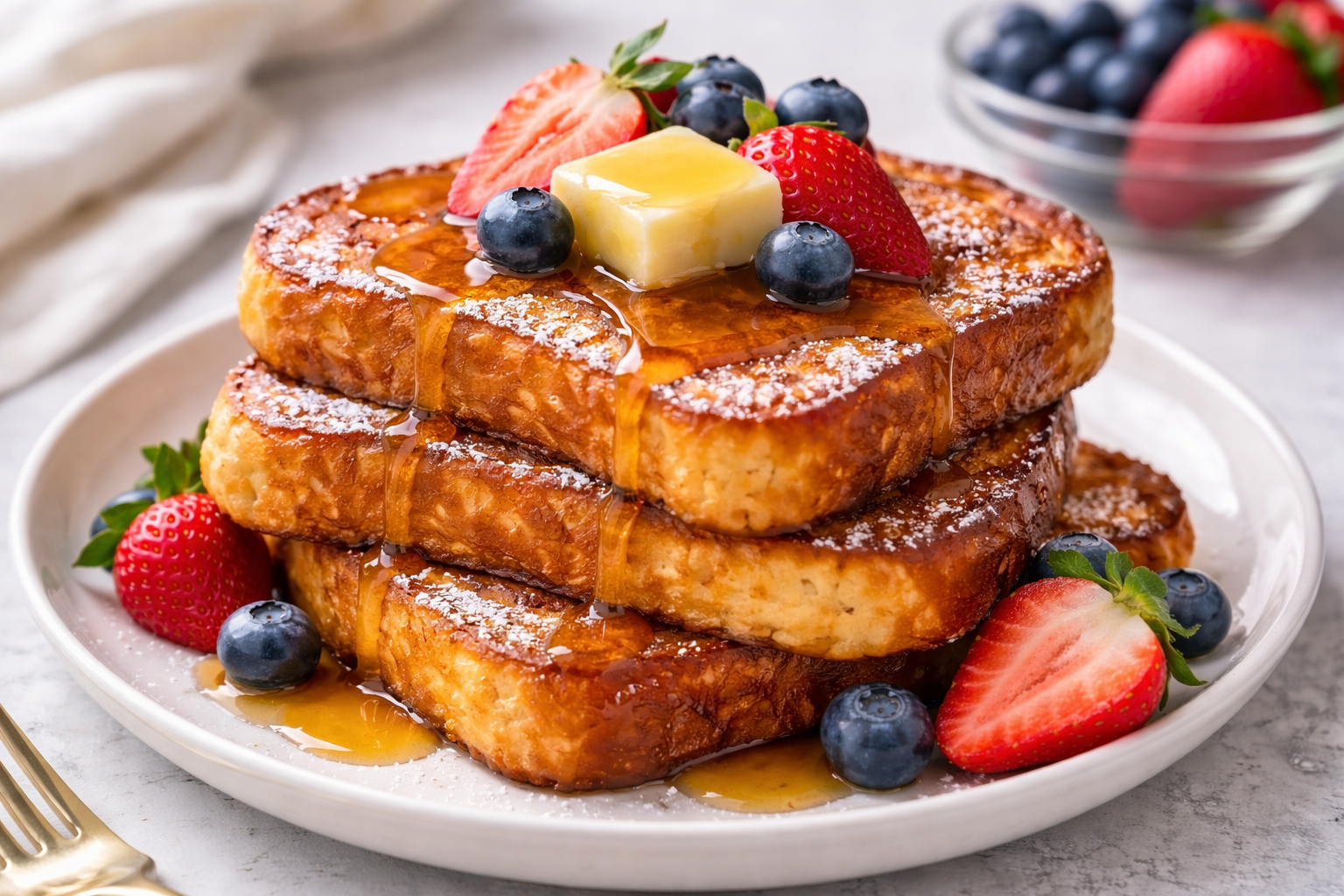
Classic French Toast: The Golden Breakfast Everyone Loves
Golden French toast with crispy edges and a soft, custardy center-perfect for a cozy, indulgent breakfast.
View Recipe
Pumpkin Spice French Toast Roll-Ups – A Fun Breakfast Treat
Sweet pumpkin-spiced French toast roll-ups filled with creamy pumpkin filling and coated in cinnamon sugar for a cozy br
View Recipe
Soft Cinnamon Muffins with Cream Cheese Filling
Soft cinnamon muffins filled with a sweet cream cheese center and topped with cinnamon sugar for a gooey bakery-style tr
View Recipe
Fluffy Buttermilk Pancakes: The Secret to a Perfect Breakfast Stack
Light, fluffy buttermilk pancakes with golden edges and tender centers-perfect for breakfast and freezer-friendly.
View Recipe