

Lemon Dill Salmon Rice Bake

Bake lemon dill salmon over rice with peas in one dish. Start the rice first so the salmon stays moist, with safe cooking and reheating guidance.
Printable Recipe Card
Lemon Dill Salmon Rice Bake
Bake lemon dill salmon over rice with peas in one dish. Start the rice first so the salmon stays moist, with safe cooking and reheating guidance.
15 minutes
50 minutes
70 minutes
4 servings
Dinner
American
4 servings
590 calories
Equipment
9-by-13-inch baking dish
Foil
Instant-read thermometer
Ingredients
- 1 1/2 cups long-grain white rice, rinsed and drained
- 2 3/4 cups hot reduced-sodium chicken or vegetable broth
- 2 tablespoons unsalted butter
- 1/2 small onion, finely diced
- 2 garlic cloves, minced
- 1/2 teaspoon kosher salt, or to taste
- 1/4 teaspoon black pepper
- 4 salmon fillets, about 6 ounces each, thawed and pin bones removed
- 1 cup frozen peas
- 1 teaspoon finely grated lemon zest
- 1 tablespoon lemon juice
- 2 tablespoons chopped fresh dill
Instructions
- Heat oven to 375 degrees F. Combine rice, hot broth, butter, onion, garlic, salt, and pepper in a 9-by-13-inch baking dish. Cover tightly with foil.
- Bake 30 to 35 minutes, until rice has absorbed most liquid and is nearly tender. Carefully lift foil away from your face.
- Stir in peas and lemon zest. Nestle salmon on top, season lightly if needed, and drizzle with lemon juice. Cover tightly again.
- Bake 12 to 18 minutes more, until the thickest salmon reaches 145 degrees F and rice is tender. If rice needs longer after fish is done, remove salmon and finish rice covered with a little hot broth.
- Rest 5 minutes and finish with dill before serving.
Notes
Nutrition is an estimate per serving, not a laboratory analysis. Brands, substitutions, and portion sizes affect the values. Image is an AI-generated illustration. This newly developed recipe has not been independently kitchen-tested. Replace peas with small cooked broccoli pieces. Dried dill can be used sparingly; start with 2 teaspoons.
Storage
Cool promptly in shallow containers and refrigerate within 2 hours. Use within 3 to 4 days.
Reheating
Reheat covered with a spoonful of broth to 165 degrees F. Avoid repeated reheating.
Variations
Replace peas with small cooked broccoli pieces. Dried dill can be used sparingly; start with 2 teaspoons.
Nutrition
Lemon dill salmon rice bake cooks a bed of rice first, then adds salmon and peas for a shorter second stage. The timing keeps the fish from spending the entire rice cooking period in the oven. Lemon zest and dill give a fresh finish, while broth and a little butter make the rice flavorful enough to serve without a separate heavy sauce.
This recipe uses long-grain white rice, not instant rice or brown rice. Those products have different liquid needs and cooking times. A tightly covered baking dish is important during the first stage because the rice cooks with trapped steam. Once the grains are nearly tender, the salmon can join the pan and finish gently on top.
Rinse Rice and Measure the Liquid
Rinse the rice in a fine sieve until the water is less cloudy, then drain well. This removes some loose surface starch and helps the grains stay more distinct. Use the amount of broth specified rather than filling the dish by eye. A very wide uncovered pan loses more moisture than a tightly covered casserole, making consistent measuring useful.
Long-grain white rice gives a fluffy base in this method. Brown rice needs much longer, and instant rice can become mushy before the fish is ready. Basmati may work but can finish differently, so check its texture rather than assuming the same timer guarantees a result. Start with the listed rice if you want the clearest first comparison.
Give Rice a Covered Head Start
Combine rice with hot broth, butter, a little onion, garlic, and seasoning in the baking dish. Cover tightly with foil so steam stays inside. The liquid should be hot when the dish enters the oven. Starting with cold broth slows the process and can leave firm rice when you expect to add the salmon.
Check near the end of the first stage. The rice should be mostly tender with a little moisture still visible. If it is quite hard and the pan is dry, add a small amount of hot broth and cover again. Do not put salmon on top simply because the clock says it is time; the rice has to be far enough along first.
Choose Salmon Portions of Similar Thickness
Four center-cut fillets cook more evenly than a mix of a thick center piece and a thin tail. Pat them dry and remove pin bones with clean tweezers if necessary. Skinless portions are convenient for serving directly over rice, while skin-on fillets can be used if you prefer to lift the flesh away after cooking.
Thaw frozen salmon in the refrigerator before using this timing. A frozen center changes both cooking speed and moisture release. Season lightly because broth already flavors the rice. Salmon should reach 145 degrees F in the thickest part. An instant-read thermometer is more useful than judging the outside color, especially when the fillets are thick.
Add Peas Without Drowning the Pan
Frozen peas can be scattered over the nearly cooked rice before the fish goes on. They need only the final cooking stage to heat through. Do not add a large amount of frost or icy clumps. Fresh peas also work, though their tenderness varies. The recipe keeps vegetables simple so the rice and fish remain the main components.
Broccoli or asparagus would need different preparation and timing. If substituting, cut small and consider cooking separately rather than expecting thick stems to finish beneath the fish. A separate green side is often easier than forcing several vegetables into the same liquid ratio. Too much extra bulk can also prevent the lid from fitting tightly.
Use Lemon Zest More Than Lemon Juice
Zest gives clear lemon aroma without adding much liquid or acidity to the rice. Wash the lemon and grate only the yellow layer. Thin slices can sit over the salmon for appearance and flavor, but remove seeds first. A small squeeze of juice at serving lets each person control the brightness.
Dill works well fresh because its delicate flavor survives a short final bake. Reserve some for serving rather than cooking the entire amount for the full rice stage. Dried dill is more concentrated and should be used in a smaller quantity. Parsley can replace it for a milder herbal finish if dill is not a favorite.
Stop Cooking When the Fish Is Ready
Cover the dish again for most of the salmon stage, then check a thick fillet. If the fish reaches its safe temperature before the rice finishes, remove the salmon to a clean plate and let the grains continue briefly. The head start is meant to minimize that problem, but ovens and rice brands still vary.
Rest the finished dish a few minutes, then fluff rice around the portions with a fork rather than breaking up the fish. Serve with a cucumber salad or lightly dressed greens. For another salmon direction, the bang bang salmon uses a bolder sauce, while salmon with roasted vegetables offers a different side arrangement.
Cool Rice and Fish Promptly
Divide leftovers into shallow containers and refrigerate within two hours. Rice should not sit at room temperature for a long period after cooking. Use the refrigerated meal within three days. Reheat gently but thoroughly to 165 degrees F, adding a little water or broth to protect the rice from drying.
Salmon becomes firmer when reheated, so avoid repeatedly warming the same portion. Freezing is possible, though the fish texture changes after thawing. Nutrition is estimated for four servings with one salmon portion and a quarter of the rice and peas each. Extra butter, sauce, or bread is not included. Keeping the lemon and herbs fresh gives this simple bake enough flavor without adding a rich topping.
Variations
Replace peas with small cooked broccoli pieces. Dried dill can be used sparingly; start with 2 teaspoons.
Storage and Reheating
Cool promptly in shallow containers and refrigerate within 2 hours. Use within 3 to 4 days.
Food Safety Source
For safe cooking temperatures and food handling basics, see the USDA safe minimum internal temperature chart.
Frequently Asked Questions
Can I use brown rice?
Not with the same liquid and timing. Brown rice needs a separate tested schedule; use long-grain white rice here.
Should salmon go in with the raw rice?
No. The rice needs a head start so fish is not overcooked while grains soften.
Can I use frozen salmon?
Thaw safely first for even cooking in this recipe.
Why is the rice crunchy?
The foil may not seal well or the broth may have been cool. Add a little hot broth and continue covered until tender.
More Recipes You'll Love
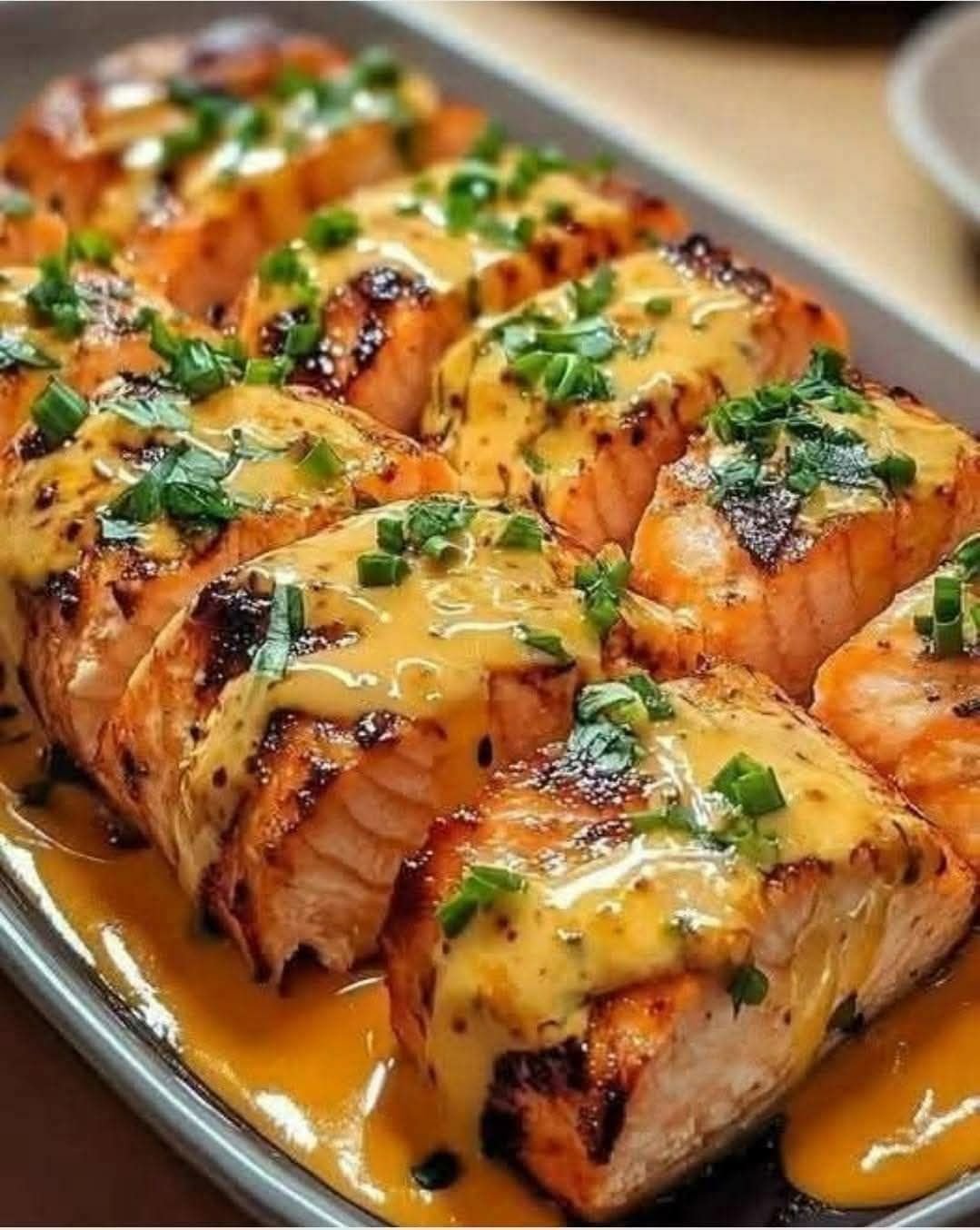
15-Minute Bang Bang Salmon Dinner
Quick pan-seared salmon topped with a creamy sweet and spicy Bang Bang sauce, ready in about 15 minutes.
View Recipe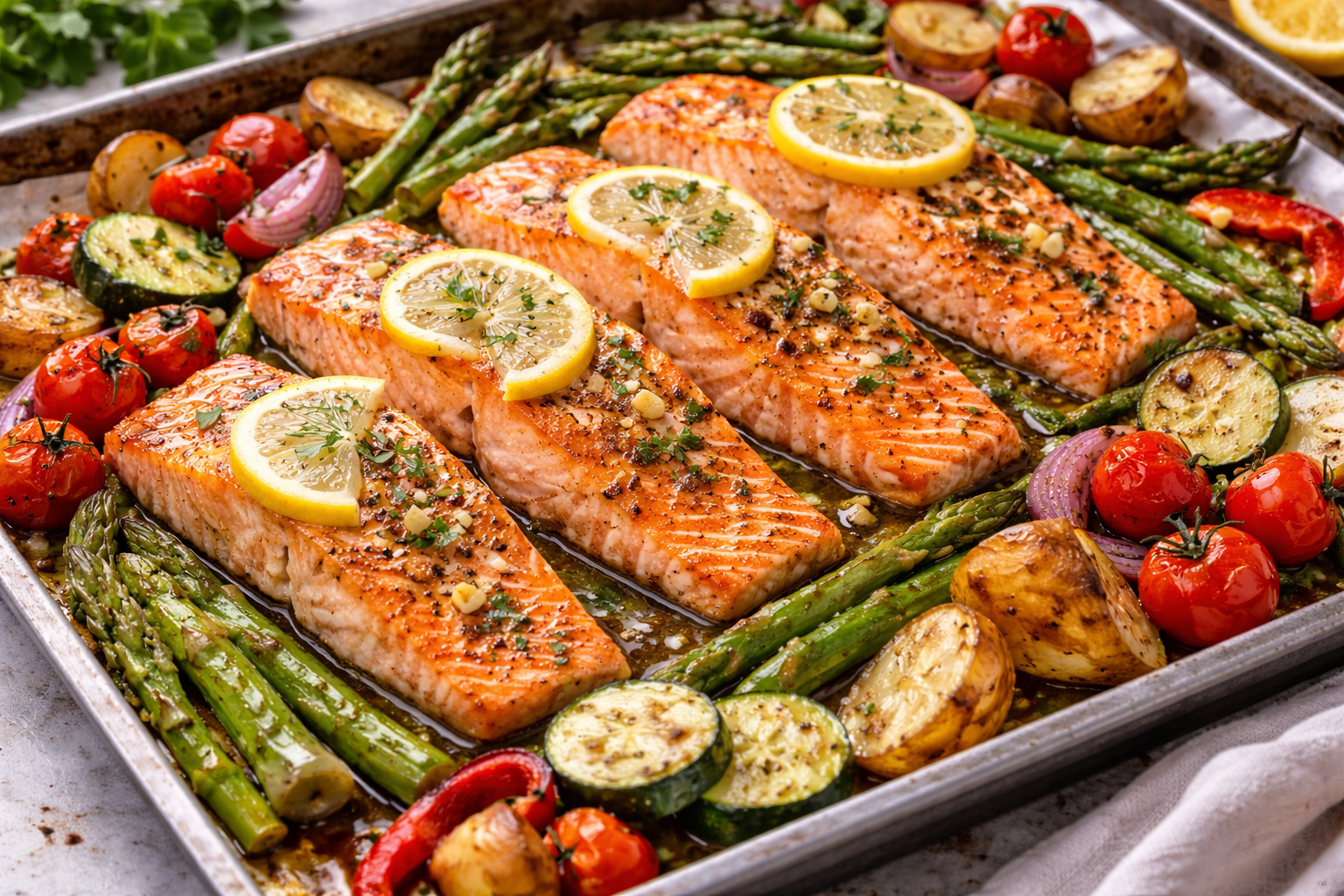
The Best One-Pan Salmon with Roasted Veggies
Easy one-pan lemon garlic salmon with perfectly roasted veggies-healthy, flavorful, and ready in under 30 minutes.
View Recipe
Creamy Shrimp and Crab Stuffed Salmon Dinner Recipe
Salmon fillets stuffed with creamy shrimp and crab filling, served with buttery Parmesan mashed potatoes and garlic saut
View Recipe
Homemade Smoked Haddock and Potato Fishcakes
Golden pan-fried fishcakes made with smoked haddock and creamy mashed potatoes, crisp on the outside and tender inside.
View Recipe