

Roasted Butternut Squash Mac and Cheese

Roasted squash blends into a sharp cheddar sauce for creamy elbow macaroni under a golden panko topping. A short bake keeps the center from drying out.
Printable Recipe Card
Roasted Butternut Squash Mac and Cheese
Roasted squash blends into a sharp cheddar sauce for creamy elbow macaroni under a golden panko topping. A short bake keeps the center from drying out.
20 minutes
50 minutes
75 minutes
6 servings
Dinner
American
6 main-dish servings
700 calories
Equipment
Rimmed sheet pan
Large pot
Saucepan
Blender or immersion blender
9x13-inch baking dish
Whisk
Ingredients
- 1 1/2 pounds peeled and seeded butternut squash, cut into 3/4-inch cubes
- 1 tablespoon olive oil
- 12 ounces dry elbow macaroni
- 3 tablespoons unsalted butter, for sauce
- 3 tablespoons all-purpose flour
- 2 1/2 cups whole milk, divided, plus more if needed
- 10 ounces sharp cheddar, freshly grated
- 1 teaspoon Dijon mustard
- 1/4 teaspoon smoked paprika
- 1/2 teaspoon kosher salt, or to taste
- 1/4 teaspoon black pepper
- 3/4 cup panko breadcrumbs
- 1/4 cup finely grated Parmesan
- 1 tablespoon unsalted butter, melted, for topping
Instructions
- Heat oven to 425 degrees F. Toss squash with oil and a little salt. Roast in a single layer for 25 to 30 minutes until very tender with browned edges.
- Meanwhile cook macaroni in salted water about 2 minutes short of package al dente timing. Reserve some cooking water, then drain without rinsing.
- Blend roasted squash with 1 cup warm milk until smooth. Use caution with warm liquids and vent the blender according to its instructions.
- Melt 3 tablespoons butter in a saucepan. Whisk in flour and cook 1 minute. Gradually whisk in remaining 1 1/2 cups milk and simmer gently until lightly thickened.
- Stir in squash puree, Dijon, paprika, pepper, and salt to taste. Remove from heat and stir in cheddar a handful at a time until melted. Loosen with warm milk or pasta water if needed.
- Combine pasta and sauce and transfer to a greased 9x13-inch dish. Reduce oven to 375 degrees F. Mix panko, Parmesan, and topping butter and scatter over the surface.
- Bake 15 to 20 minutes until edges bubble and crumbs turn golden. Rest 5 minutes before serving.
Notes
Roasting and pasta preparation overlap. Total includes a 5-minute rest. Yield is 6 main portions or about 8 smaller sides; nutrition is estimated for 6 portions.
Storage
Refrigerate shallow portions within 2 hours and use within 3 to 4 days. The sauce will thicken as the pasta absorbs moisture.
Reheating
Add a splash of milk and reheat covered, stirring when possible, to 165 degrees F. Uncover at the end for a crisper top.
Variations
Use small shells in place of elbows. Roast plain frozen squash longer to remove extra moisture. A little cooked bacon or chicken can be folded in, changing the nutrition.
Nutrition
Butternut squash mac and cheese uses roasted squash to give a cheddar sauce its warm color and smooth body. It is still macaroni and cheese, with recognizable elbows, melted cheddar, and a crisp panko top. The squash adds a gentle sweetness that works especially well with sharp cheese and a little Dijon. Roasting it first matters: caramelized edges bring a deeper flavor than squash simply boiled until soft.
This is a baked version, but the oven time at the end is short. The pasta and sauce are already cooked before they meet the baking dish. You are only heating everything together and browning the topping, which helps keep the middle creamy. Slightly undercooked pasta and a sauce that looks loose before baking are useful safeguards against a dry casserole. The recipe makes six main-dish portions or eight smaller sides.
Roast Squash Until It Blends Smoothly
Start with about one and a half pounds of peeled, seeded butternut squash, cut into three-quarter-inch cubes. A medium whole squash usually provides enough, but buying a prepared container is a practical shortcut. Toss the cubes with olive oil and a small pinch of salt, then roast in a single layer. They should be soft enough to mash easily with a fork, with some browned corners rather than a wet, pale surface.
If the squash is still fibrous or firm, the finished sauce may feel grainy even after blending. Give it a few more minutes rather than trying to hide the texture under extra cheese. Roasting times depend on cube size, so test a large piece near the center of the pan. You can roast the squash a day ahead and refrigerate it. Warm it slightly before blending with milk so the mixture becomes smooth more readily.
Use a Cheese With Enough Contrast
Sharp cheddar balances the sweetness of the squash better than a very mild cheese. Grate it from a block for easier melting. A little Parmesan goes into the topping rather than overwhelming the sauce. The recipe is designed around ten ounces of cheddar for twelve ounces of dry pasta, which gives a clear cheese flavor without relying on a huge mound of cheese to make the sauce work.
Dijon mustard and a pinch of smoked paprika add savory depth. They should support the cheddar, not make the dish taste like mustard or barbecue sauce. Nutmeg is optional and needs only a tiny pinch. If your cheese is quite salty, taste the completed sauce before adding more salt. A strong blue cheese or smoked cheese changes the dish substantially, so begin with a small amount when experimenting.
Blend the Squash With Warm Milk
A blender turns the roasted squash and part of the milk into a smooth puree. When blending warm ingredients, follow the blender's instructions and allow steam to escape; do not seal hot liquid in a personal blender cup. An immersion blender in a deep saucepan is another option. Add enough milk to keep the blades moving, then scrape the sides so no chunks remain hidden around the edges.
The puree should resemble a thick soup rather than a stiff mash. The remaining milk goes into the butter-and-flour base. Combining the puree with that base gives you both a silky texture and enough structure to coat the pasta. If you skip the blending step and simply mash the squash, the flavor will still be pleasant, but small pieces will remain. That rustic result is different from the smooth sauce pictured.
Finish the Sauce Off the Heat
Cook butter and flour together briefly, then whisk in milk gradually. Once the base thickens lightly, stir in the squash puree, mustard, and seasonings. Remove the pan from the heat before adding the cheddar a handful at a time. Residual heat is enough to melt it. Boiling cheese sauce can make the proteins tighten and leave an oily or grainy finish, especially when using aged cheese.
If the sauce looks too thick before the pasta goes in, loosen it with warm milk or reserved pasta water. It should flow from a spoon. Remember that the macaroni will absorb liquid in the oven and during the rest afterward. A sauce that already resembles a stiff dip is likely to produce dry mac and cheese. Keep a little extra warm liquid available rather than relying on cold milk that cools the whole pan.
Undercook the Pasta Slightly
Boil elbow macaroni about two minutes short of the package's usual al dente timing. Taste one piece: it should be flexible but still firm at the center. Drain without rinsing, then combine with the sauce while both are warm. The remaining pasta starch helps the sauce cling. Other short shapes work, but avoid replacing the measured pasta with an unmeasured large bowl, which can use up all the sauce.
Transfer the mixture to a greased baking dish and add the panko topping. Bake just until the sides bubble and the top is golden. There is no need to keep baking until the middle looks dry. A brief rest makes serving easier while leaving enough moisture around the elbows. For a different cheesy pasta dinner with broccoli, the broccoli cheddar pasta bake is another option.
Make the Topping Crisp, Not Heavy
Mix panko with melted butter and a little finely grated Parmesan. Sprinkle it loosely over the surface instead of pressing it into a thick crust. Panko has an open texture that browns well, while regular breadcrumbs create a finer, more compact top. If you are cooking for someone who prefers soft mac and cheese, use a thinner topping or leave one corner uncovered by crumbs.
A last-minute broil can brown stubborn crumbs, but only if your baking dish is broiler-safe. Watch continuously because crumbs can burn quickly. The recipe does not require broiling, and a normal bake is more predictable. A sprinkle of chopped parsley after baking adds color but is optional. Serve with a tangy green salad or roasted Brussels sprouts rather than another large creamy side dish.
Avoid Sweetened Squash Shortcuts
Plain frozen squash cubes are a reasonable shortcut if you roast away their extra moisture. A sweetened squash casserole or seasoned frozen side dish is not equivalent, because sugar and spices change the cheese sauce. Canned plain squash puree can work in a pinch, but start with about two cups and check its thickness before adding all the milk. Roasted squash generally gives a more concentrated savory flavor, particularly when the cut surfaces have had enough space to brown.
If adding cooked bacon or leftover chicken, fold it in after the pasta meets the sauce and keep the amount modest. A large quantity of extra protein can absorb sauce and leave the dish dry. Those additions also change the nutrition estimate and turn a vegetarian-style base into a different meal.
Reheat With a Little Extra Liquid
The sauce will firm in the refrigerator, which is normal for pasta with cheese and squash. Store portions in shallow covered containers and use within three to four days. Add a spoonful of milk before reheating and stir partway through so the center warms evenly. Leftovers should reach 165 degrees F. The topping softens in the microwave; use a covered oven reheat followed by a brief uncovered finish when you want more texture.
You can assemble the casserole ahead, but hold the crumbs separately until baking and expect chilled pasta to need extra time. For the creamiest result, make the squash puree ahead and finish the pasta on serving day. The nutrition estimate covers six main-dish servings with topping. If serving eight side portions, the amount per portion is smaller. Milk fat level, cheddar brand, and added salt all affect the finished values.
Variations
Use small shells in place of elbows. Roast plain frozen squash longer to remove extra moisture. A little cooked bacon or chicken can be folded in, changing the nutrition.
Storage and Reheating
Refrigerate shallow portions within 2 hours and use within 3 to 4 days. The sauce will thicken as the pasta absorbs moisture.
Food Safety Source
For safe cooking temperatures and food handling basics, see the USDA safe minimum internal temperature chart.
Frequently Asked Questions
Can I use frozen squash?
Yes. Use plain cubes and roast until soft, allowing extra time for their moisture to evaporate.
Why is my cheese sauce grainy?
High heat can make cheese separate. Remove the base from the heat before stirring in freshly grated cheddar gradually.
Why cook the pasta short of al dente?
It absorbs more liquid in the oven. Slightly undercooking helps the baked pasta keep its texture.
Can this be a side dish?
Yes. Divide into about 8 smaller portions instead of 6 main servings; the estimated nutrition per portion will then be lower.
More Recipes You'll Love
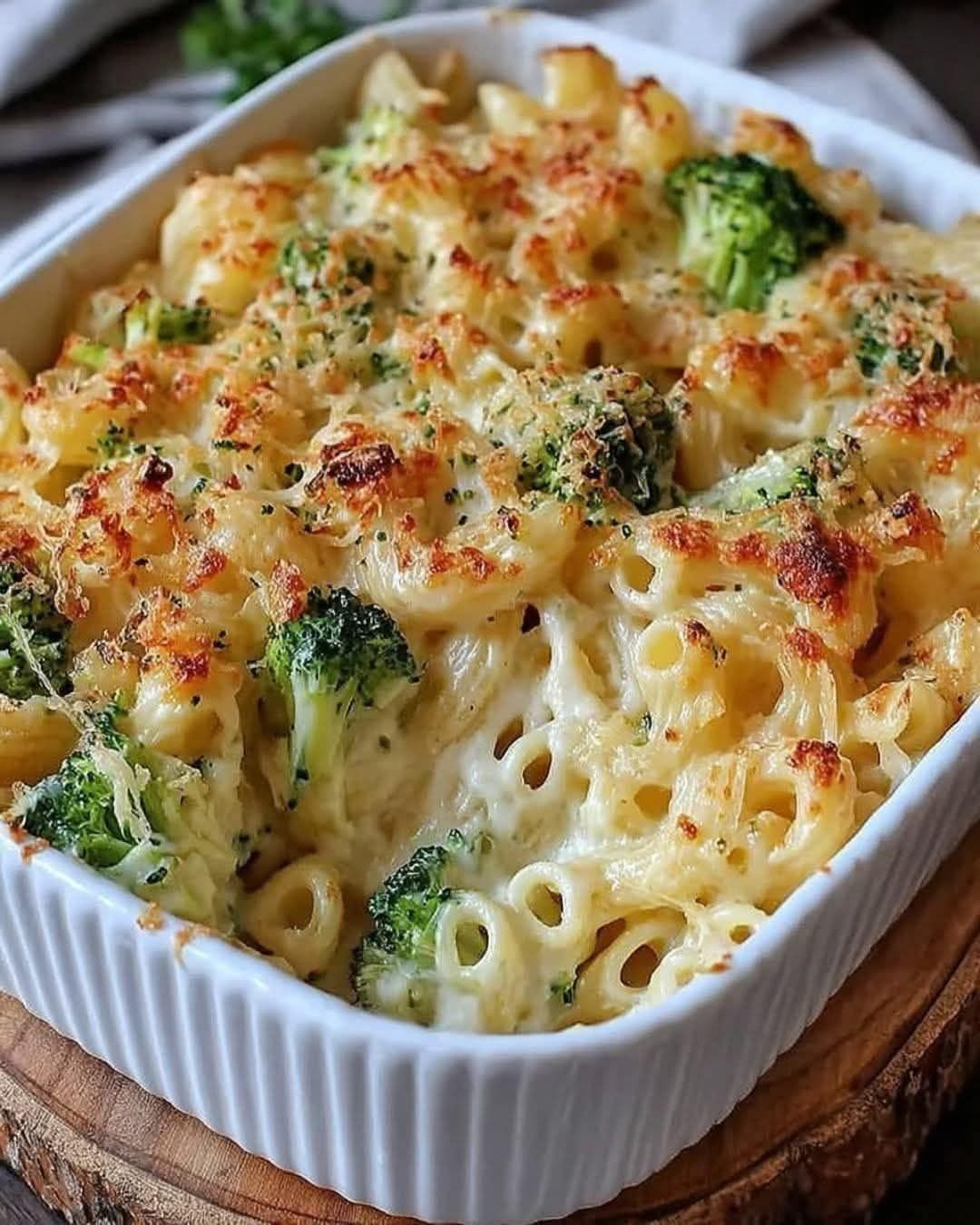
Easy Broccoli Cheddar Pasta Bake with Cream Cheese
Easy dump-and-bake broccoli cheddar pasta with creamy cheese sauce, tender pasta, and fresh broccoli baked in one dish.
View Recipe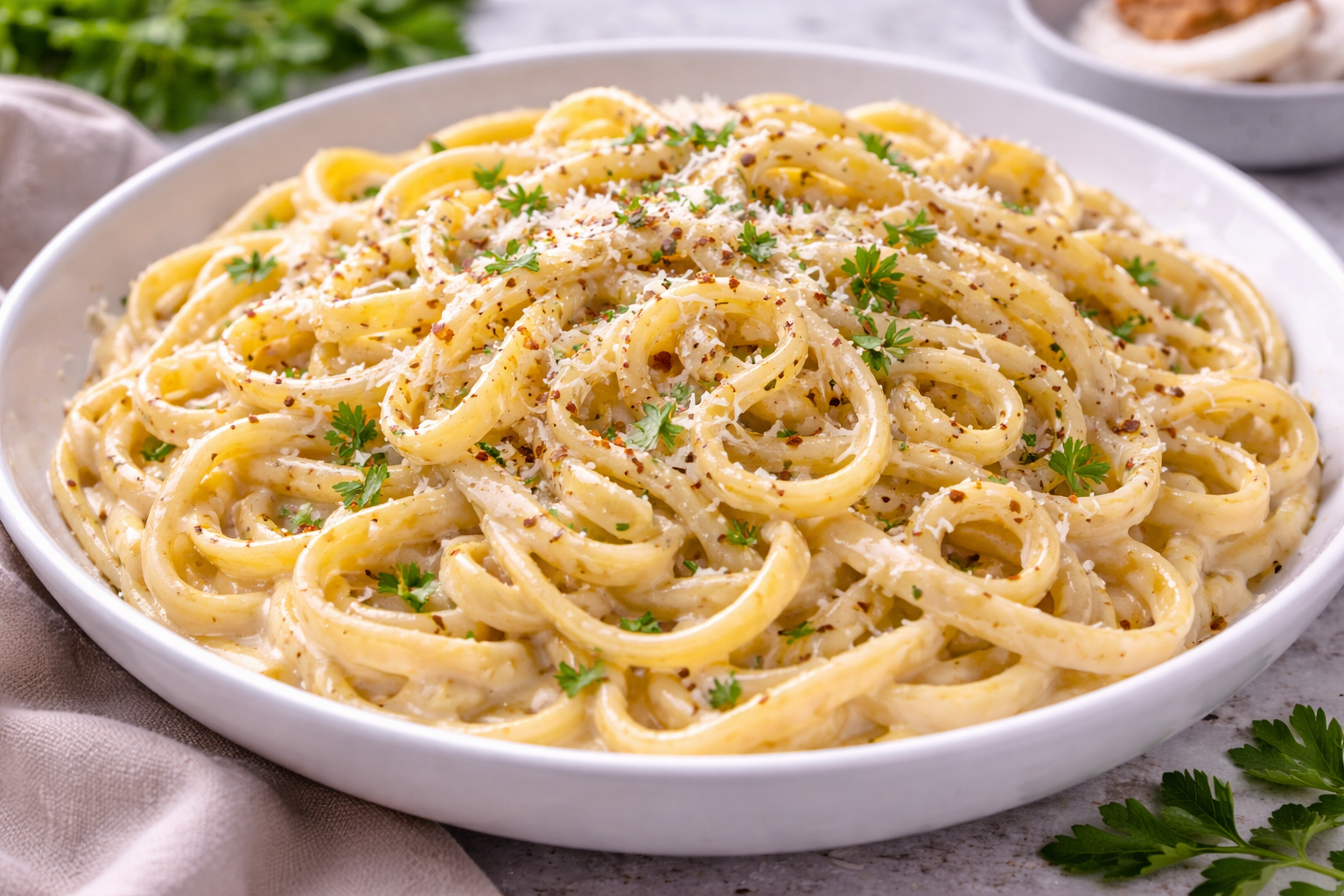
The Best Creamy Garlic Parmesan Pasta for Busy Weeknights
Rich and creamy garlic Parmesan pasta made in just 20 minutes-perfect for an easy, comforting weeknight dinner.
View Recipe
Creamy Pierogi & Kielbasa Casserole with Cheddar and Garlic Sauce
Pierogies aux pommes de terre et fromage cuits avec kielbasa, cheddar fondant et sauce crémeuse à l'ail.
View Recipe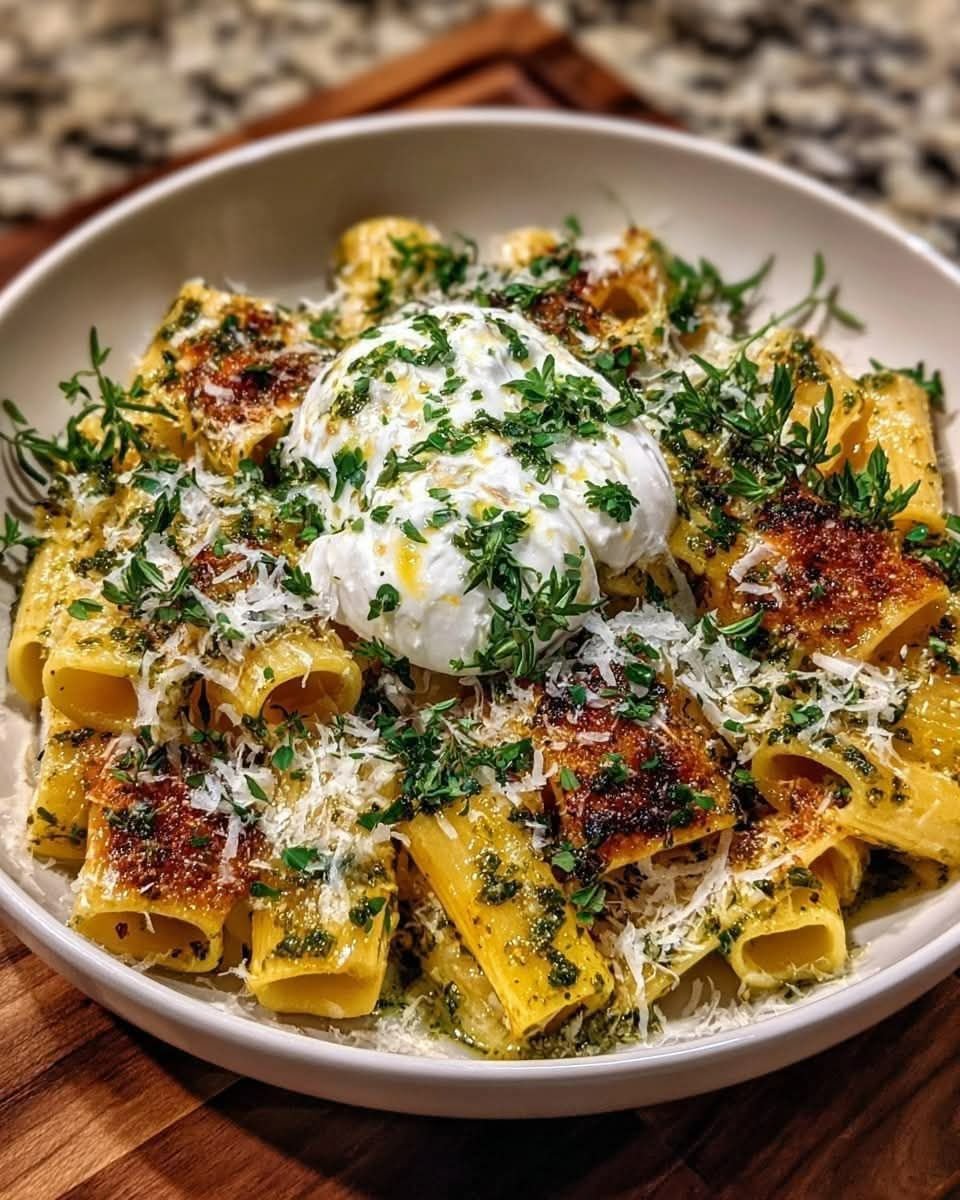
Baked Rigatoni with Burrata, Basil Pesto, and Lemon
Rigatoni tossed in lemony basil pesto and topped with creamy burrata and Parmesan, broiled until golden and bubbly.
View Recipe