

Classic French Toast: The Golden Breakfast Everyone Loves

Golden French toast with crispy edges and a soft, custardy center-perfect for a cozy, indulgent breakfast.
Printable Recipe Card
Classic French Toast: The Golden Breakfast Everyone Loves
Golden French toast with crispy edges and a soft, custardy center-perfect for a cozy, indulgent breakfast.
10 minutes
10 minutes
20
4 servings
Breakfast
Not listed
4 servings
410 calories
Ingredients
- 8 slices thick-cut brioche or challah bread
- 4 large eggs
- 1 cup whole milk
- 1/4 cup heavy cream
- 2 tablespoons granulated sugar
- 1 teaspoon vanilla extract
- 1/2 teaspoon ground cinnamon
- 1/4 teaspoon salt
- 2 tablespoons unsalted butter, for cooking
Instructions
- In a shallow bowl, whisk together the eggs, milk, heavy cream, sugar, vanilla extract, cinnamon, and salt until fully combined.
- Preheat a large skillet or griddle over medium heat and add 1 tablespoon of butter, allowing it to melt and lightly foam.
- Dip each slice of bread into the custard mixture, letting it soak for 10-15 seconds per side until saturated but not falling apart.
- Place soaked bread onto the hot skillet and cook for 3-4 minutes per side, or until golden brown with crispy edges and a custardy center.
- Add remaining butter as needed for additional batches. Serve warm with maple syrup, powdered sugar, or fresh fruit.
Nutrition
There’s something special about the smell of French toast cooking on a warm skillet. The scent of cinnamon, vanilla, and buttery bread fills the kitchen and makes everyone suddenly very hungry. For me, classic French toast is one of the coziest breakfasts you can make. It’s golden and crispy on the outside, soft and custardy in the center, and ready in just 20 minutes.
In this article, I’ll walk you through the story behind French toast, explain why certain ingredients make it so delicious, and share step-by-step instructions so you can make it perfectly at home. Whether you’re cooking for your family or just treating yourself, this recipe is simple, satisfying, and always a hit.
A Breakfast with a Long History
Even though we call it “French” toast, this dish actually has roots that go back hundreds of years—long before modern France! Historians believe early versions of French toast were made in ancient Rome. People would soak stale bread in a milk and egg mixture, then cook it to make it soft again. It was a smart way to avoid wasting food.
In France, a similar dish is called pain perdu, which means “lost bread.” The idea was to “rescue” bread that had gone stale by soaking it in a rich custard mixture. Over time, this simple idea spread across Europe and eventually to America.
Today, French toast is a popular breakfast around the world, especially on weekends when families have a little more time to cook and enjoy a meal together.
Why Thick Bread Makes a Difference
One of the most important parts of great French toast is the bread. In this recipe, I use thick-cut brioche or challah bread. These types of bread are slightly sweet, rich, and sturdy. That means they can soak up the egg mixture without falling apart.
Thicker slices create that perfect contrast: crispy golden edges and a soft, custardy center. If the bread is too thin, it can become soggy. Slightly stale bread actually works best because it absorbs the custard more evenly.
Nutrition Snapshot
Here’s the approximate nutrition information per serving:
- Calories: 410
- Fat: 20 grams
- Carbohydrates: 40 grams
- Protein: 14 grams
French toast is a rich breakfast, thanks to eggs, milk, and butter. While it’s a treat, it also provides protein and energy to start your day.
Tips for Perfect French Toast Every Time
Over the years, I’ve learned a few helpful tips:
- Use medium heat. High heat can burn the outside before the inside cooks.
- Don’t rush the soak. Let the bread absorb enough custard for a creamy center.
- Flip only once. This keeps the texture light and fluffy.
- Keep cooked slices warm. Place them on a baking sheet in a low oven if making a large batch.
These small steps make a big difference.
Fun Topping Ideas
While classic maple syrup is hard to beat, here are some creative topping ideas:
- Fresh strawberries and whipped cream
- Sliced bananas and peanut butter
- Blueberries and lemon zest
- Powdered sugar and cinnamon
- Greek yogurt and honey
You can easily turn this simple recipe into a restaurant-style brunch at home.
Why French Toast Is a Family Favorite
French toast remains popular because it’s simple, affordable, and comforting. It turns everyday ingredients—bread, eggs, and milk—into something special.
It’s also versatile. You can make it plain and classic, or dress it up for holidays and celebrations. Whether it’s a slow Sunday morning or a birthday breakfast surprise, French toast always feels like a treat.
For me, the best part is gathering around the table while the stack is still warm, syrup slowly dripping down the sides. It’s a breakfast that brings people together.
Final Thoughts
Classic French toast proves that simple recipes can stand the test of time. With just a handful of ingredients and 20 minutes, you can create a breakfast that’s golden, crispy, and perfectly custardy inside.
If you’ve never made French toast from scratch, now’s the perfect time to try. Once you taste homemade, you may never go back to frozen versions again.
So grab your whisk, heat up your skillet, and get ready to enjoy one of the most comforting breakfasts ever made.
Why You?ll Love This Recipe
This Classic French Toast: The Golden Breakfast Everyone Loves is built for home cooks who want a reliable Breakfast without turning dinner or dessert into a project. The ingredient list stays approachable, the method is clear, and the finished dish gives you the kind of comfort-food payoff that makes a recipe worth saving.
Because the recipe card below keeps the exact measurements and steps organized, this article focuses on the practical details that help the recipe come out better: timing, texture, ingredient choices, storage, serving ideas, and simple ways to adjust the flavor for your table.
Tips for the Best Results
Use the listed times as a guide, but remember that cookware, appliance strength, ingredient size, and starting temperature can all affect the final result. This recipe lists 10 minutes of prep time, 10 minutes of cook time, and about 20 total time, which makes it easier to plan around dinner, parties, or weekend cooking.
Season thoughtfully. Many comfort-food recipes use flavorful packaged ingredients, cheese, sauces, or seasoning blends, and those can vary in salt level. Taste when it is safe to do so, then adjust at the end. A small amount of acid, fresh herbs, black pepper, or a creamy topping can make the finished dish feel more balanced.
Easy Variations
You can adapt this recipe based on what your family likes. Keep the main method the same, then change the seasoning, topping, vegetable, or serving style. If you want more heat, add a spicy element. If you want something milder, reduce strong seasonings and finish with a creamy or fresh topping.
For a heartier version, serve it with a simple side such as rice, potatoes, salad, bread, or roasted vegetables. For a lighter version, pair it with crisp greens or fresh fruit, depending on whether the recipe is savory or sweet.
Storage and Reheating
Store leftovers in an airtight container in the refrigerator once the food has cooled. Most cooked dishes keep well for three to four days, while many desserts keep best when covered tightly so they do not dry out.
Reheat gently when possible. A microwave is convenient for individual portions, but an oven, skillet, or air fryer can help bring back texture when the recipe has a crisp, baked, or toasted element.
What to Serve With It
This recipe makes 4 servings, so it can work as a main dish, side, dessert, or shareable recipe depending on the category. For savory recipes, pair it with something fresh or simple so the meal does not feel too heavy. A salad, roasted vegetable, bread, rice, or potatoes can round out the plate.
For sweeter recipes, serve smaller portions with coffee, milk, whipped cream, fresh fruit, or a simple scoop of vanilla ice cream. The goal is to support the main flavor rather than cover it up.
Food Safety and Doneness
Use visual cues and safe cooking temperatures when judging doneness. For meat, poultry, seafood, and egg-based recipes, an instant-read thermometer is the most reliable tool. You can review official guidance on the USDA safe minimum internal temperature chart.
For baked goods and desserts, look for the texture cues in the recipe card: set centers, golden edges, clean tester marks, or proper chilling time. Letting a recipe rest before serving often improves texture and makes slicing or plating easier.
Food Safety Source
For safe cooking temperatures and food handling basics, see the USDA safe minimum internal temperature chart.
Frequently Asked Questions
Can I make Classic French Toast: The Golden Breakfast Everyone Loves ahead of time?
You can usually prepare some parts ahead of time, but follow the storage and reheating notes in the recipe for the best texture and food safety.
How should I store leftovers?
Store leftovers in an airtight container in the refrigerator. Use the storage instructions on this page when available, and reheat gently until hot.
Can I change the ingredients?
Yes. Most home-style recipes can be adjusted for taste, but keep the core cooking method and safe internal temperatures in mind when changing proteins or cook times.
More Recipes You'll Love
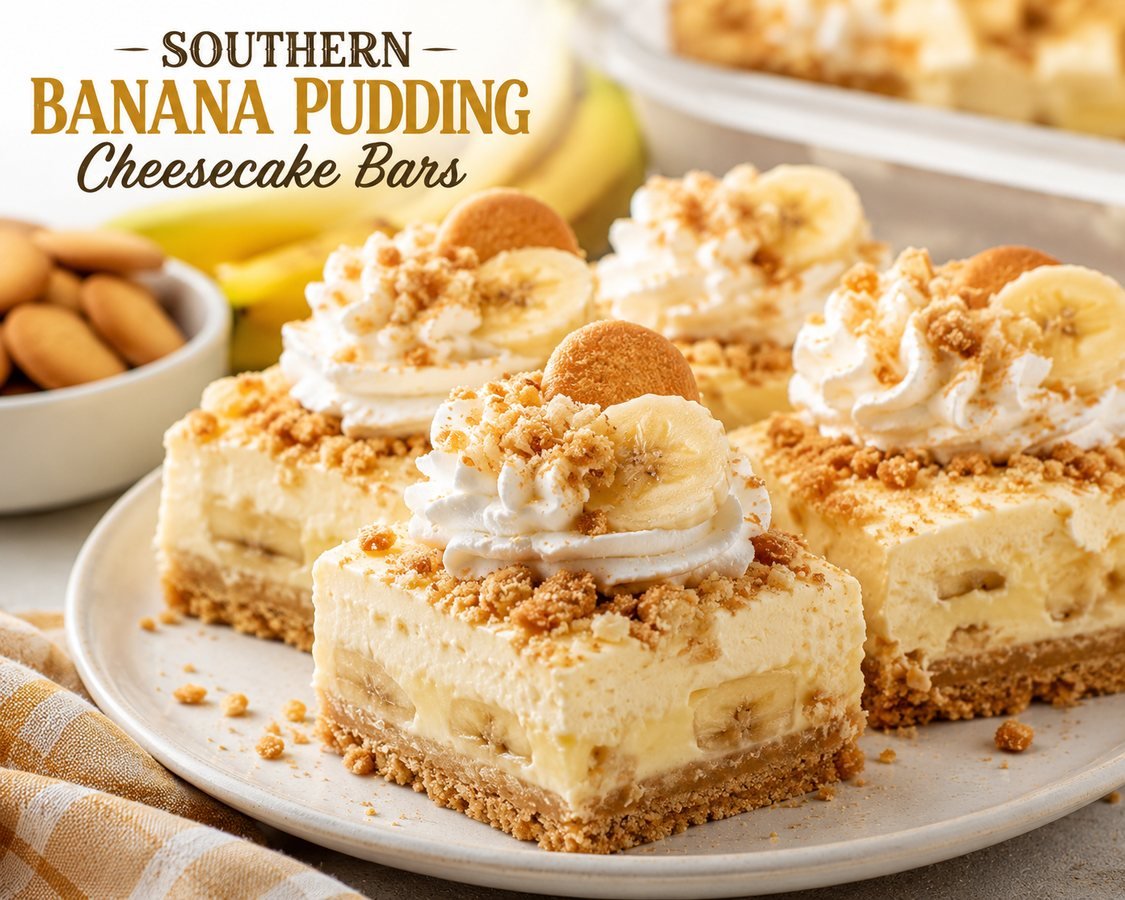
Southern Banana Pudding Cheesecake Bars
Southern banana pudding cheesecake bars combine vanilla wafer crust, creamy cheesecake filling, banana pudding flavor, w
View Recipe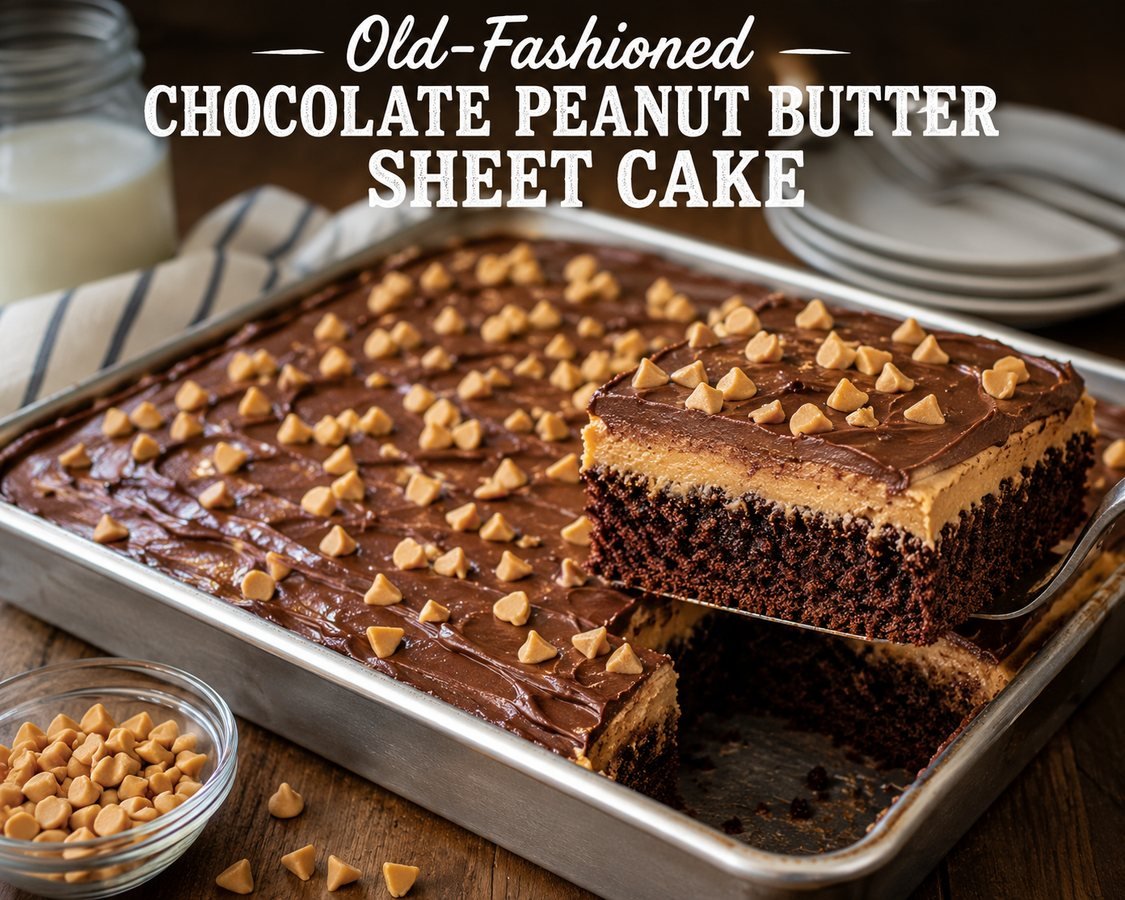
Old-Fashioned Chocolate Peanut Butter Sheet Cake
Old-fashioned chocolate peanut butter sheet cake with a tender chocolate base, creamy peanut butter layer, glossy chocol
View Recipe
Low-Carb Cheese and Veggie Crustless Quiche (45-Minute Recipe)
Easy crustless quiche packed with eggs, cheese, roasted red peppers, spinach, and caramelized onions for a simple and fl
View Recipe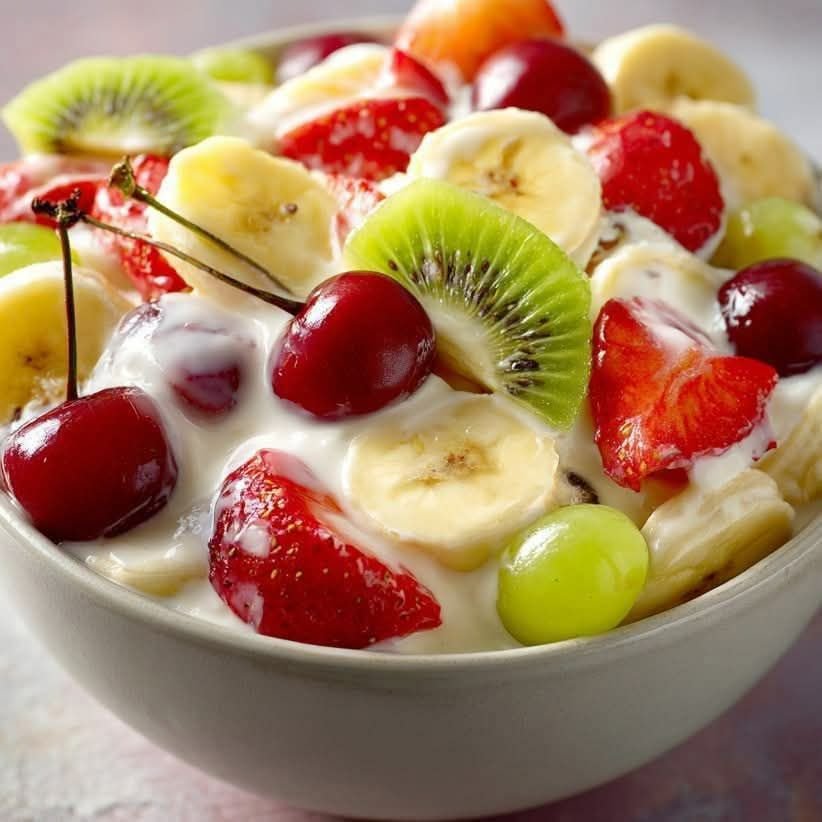
Creamy Fruit and Yogurt Bowl with Honey
Fresh fruit tossed with creamy yogurt and a touch of honey for a quick, refreshing, and healthy dessert or breakfast.
View Recipe