

Pecan Pie Cheesecake Bars

Bake pecan pie cheesecake bars with a graham crust, creamy center, and brown-sugar pecan topping, plus chilling and clean-slicing tips.
Printable Recipe Card
Pecan Pie Cheesecake Bars
Bake pecan pie cheesecake bars with a graham crust, creamy center, and brown-sugar pecan topping, plus chilling and clean-slicing tips.
30 minutes
45 minutes
375 minutes
16 servings
Dessert
American
16 servings
420 calories
Equipment
9-inch square pan
Parchment
Mixer
Saucepan
Sharp knife
Ingredients
- 1 1/2 cups graham cracker crumbs
- 5 tablespoons unsalted butter, melted, for crust
- 2 tablespoons granulated sugar, for crust
- 16 ounces full-fat block cream cheese, softened
- 1/2 cup granulated sugar, for filling
- 2 large eggs
- 1/3 cup sour cream
- 1 teaspoon vanilla extract
- 1 cup chopped pecans, lightly toasted
- 1/2 cup packed brown sugar
- 3 tablespoons unsalted butter, for topping
- 1/3 cup heavy cream
- 2 tablespoons pure maple syrup
- Pinch of salt
Instructions
- Heat oven to 325 degrees F. Line a 9-inch square pan with parchment. Mix crumbs, crust butter, and 2 tablespoons sugar; press evenly and bake 10 minutes.
- Beat cream cheese and filling sugar until smooth. Mix in eggs one at a time, then sour cream and vanilla without overbeating.
- Spread over cooled crust and bake 28 to 35 minutes until edges set and the middle has a slight wobble, not liquid batter. Cool on a rack, then refrigerate as it loses heat.
- For topping, simmer brown sugar, topping butter, cream, maple, and salt gently 2 to 3 minutes until smooth. Stir in toasted pecans and cool until only slightly warm.
- Spread topping over cooled cheesecake. Refrigerate at least 4 hours, preferably overnight.
- Lift with parchment and cut into 16 bars using a warm dried knife.
Notes
Nutrition is an estimate per serving, not a laboratory analysis. Brands, substitutions, and portion sizes affect the values. Image is an AI-generated illustration. This newly developed recipe has not been independently kitchen-tested. Use finely chopped walnuts instead of pecans or add a little cinnamon to the topping; changes affect allergens and nutrition.
Storage
Keep refrigerated and use within 4 days. Store in one layer or with a rigid divider to protect the pecan top.
Reheating
Serve cool, allowing a few minutes out of the refrigerator. No reheating is required.
Variations
Use finely chopped walnuts instead of pecans or add a little cinnamon to the topping; changes affect allergens and nutrition.
Nutrition
Pecan pie cheesecake bars layer a graham cracker crust, a creamy baked cheesecake center, and a spoonable brown-sugar pecan topping. They offer the contrast of crunchy nuts and smooth filling without asking you to make pastry or a full pie. The bars are rich, so a small square works well with coffee or as one option on a holiday dessert table.
The layers need different temperatures. Bake and cool the cheesecake before adding the cooked topping, then chill thoroughly before cutting. Rushing warm topping onto a soft cheesecake can blur the layers, while slicing before the center sets produces messy edges. Most of the total time is cooling and refrigeration, making this a sensible dessert to prepare a day ahead.
Press a Crust That Will Slice Rather Than Crumble
Fine graham cracker crumbs, melted butter, and a little sugar form the base. Mix until the crumbs resemble damp sand, then press into a parchment-lined nine-inch square pan. Use the flat bottom of a measuring cup to create an even layer, especially at the corners. A loose, uneven base can break apart when you lift the finished chilled slab.
Prebake the crust briefly to help it hold together, then allow it to cool while mixing the filling. Do not pack it so forcefully that it becomes rock-hard under a small dessert fork. Graham cracker brands vary in sweetness and fat, so the texture of the mixed crumbs is more useful than adding extra butter automatically.
Bring Cream Cheese to a Smooth Starting Point
Use full-fat block cream cheese rather than a soft spread from a tub. Let it soften enough to beat smoothly, then mix with sugar before adding the eggs. Scrape the bowl's sides and bottom so cold lumps do not remain hidden under the batter. Once eggs go in, mix only enough to combine rather than whipping a large amount of air into the filling.
Sour cream and vanilla give the center a gentle tang and a familiar cheesecake flavor. Keep the egg quantity measured; adding an extra egg to make the mixture look looser changes how firmly it sets. If the batter appears lumpy, the cheese probably needed more softening before the other ingredients were introduced.
Bake the Center Until It Has a Small Wobble
Spread the filling over the prebaked crust and bake at 325 degrees F. The edges should look set while the center retains a slight wobble. A liquid wave is too loose, but waiting until every inch looks dry can overbake the cheesecake. Use the recipe's time range as a starting point and begin checking before the upper end.
Cheesecake contracts as it cools. A few small surface cracks are not a disaster because the pecan topping covers them, but deep cracks often signal too much heat or overbaking. Cool the pan gradually on a rack instead of moving it straight from a hot oven into a very cold refrigerator. Refrigerate once it is no longer hot.
Cook a Topping That Stays Spoonable
Brown sugar, butter, cream, and a little maple syrup make a quick caramel-like sauce for the pecans. Stir over moderate heat until the sugar dissolves and the mixture gently bubbles. It does not need to be cooked into hard candy. Overreducing the sauce can create a topping that is difficult to cut after chilling.
Stir in chopped toasted pecans and a pinch of salt, then let the mixture cool until just warm before spreading. Nuts should be distributed across the whole surface rather than piled only in the center. Toasting them briefly beforehand improves their aroma, but watch carefully because small pieces darken quickly and burnt pecans taste bitter through the sweet sauce.
Plan the Chill Before Planning the Slices
After adding the topping, refrigerate the bars for at least four hours, preferably overnight. The center needs that time to become sliceable. Cover the pan without pressing plastic wrap into the pecans. A loose parchment layer beneath a cover can help protect the top. Do not leave a dairy dessert out on the counter for hours while waiting for space in the refrigerator.
Lift the slab with the parchment sling and set it on a board. Use a sharp knife warmed in hot water and dried between cuts. That keeps the cheesecake from smearing and helps the sticky topping separate. Sixteen small squares are a useful serving size for this rich dessert, but you can cut larger pieces if you adjust your expectations about portions and nutrition.
Balance the Sweet Topping With Simple Serving Choices
These bars do not need another heavy frosting. A little unsweetened whipped cream is optional, while black coffee or tea provides a clean contrast. If building a dessert plate, pair a small square with fresh fruit rather than another large caramel dessert. The topping is the main sweet accent; keeping the rest restrained lets the cheesecake center remain noticeable.
For another bar with a different fruit flavor, try the banana pudding cheesecake bars. A chocolate option such as triple chocolate brownies adds variety to a party tray. Keep nut-containing bars clearly identified when sharing them, especially if other desserts on the table look similar.
Store Without Flattening the Pecan Layer
Refrigerate covered and use within four days. Store in one layer when possible, or use a rigid divider rather than pressing another row of bars directly onto the sticky topping. Freeze individual chilled portions tightly wrapped for up to two months for quality. Thaw in the refrigerator so the center warms gradually and the topping does not become overly soft.
Serve cool rather than icy, allowing a few minutes out of the refrigerator before eating. Keep the overall time at room temperature within safe limits for dairy desserts. Nutrition is estimated per one of sixteen bars and includes crust, filling, and pecan topping. Different cream cheese and cracker brands affect the exact values, and extra whipped cream is not included.
Variations
Use finely chopped walnuts instead of pecans or add a little cinnamon to the topping; changes affect allergens and nutrition.
Storage and Reheating
Keep refrigerated and use within 4 days. Store in one layer or with a rigid divider to protect the pecan top.
Food Safety Source
For safe cooking temperatures and food handling basics, see the USDA safe minimum internal temperature chart.
Frequently Asked Questions
Can I make these a day ahead?
Yes. Overnight chilling helps the cheesecake set and makes cleaner slices.
Why did the cheesecake crack?
Overbaking, excess air from beating, or high heat can cause cracks. The topping covers minor cracks.
Should the topping be hot?
No. Cool it until only slightly warm before spreading so it does not soften the cheesecake layer.
Can I freeze the bars?
Freeze chilled individual portions for up to 2 months for quality, then thaw in the refrigerator.
More Recipes You'll Love
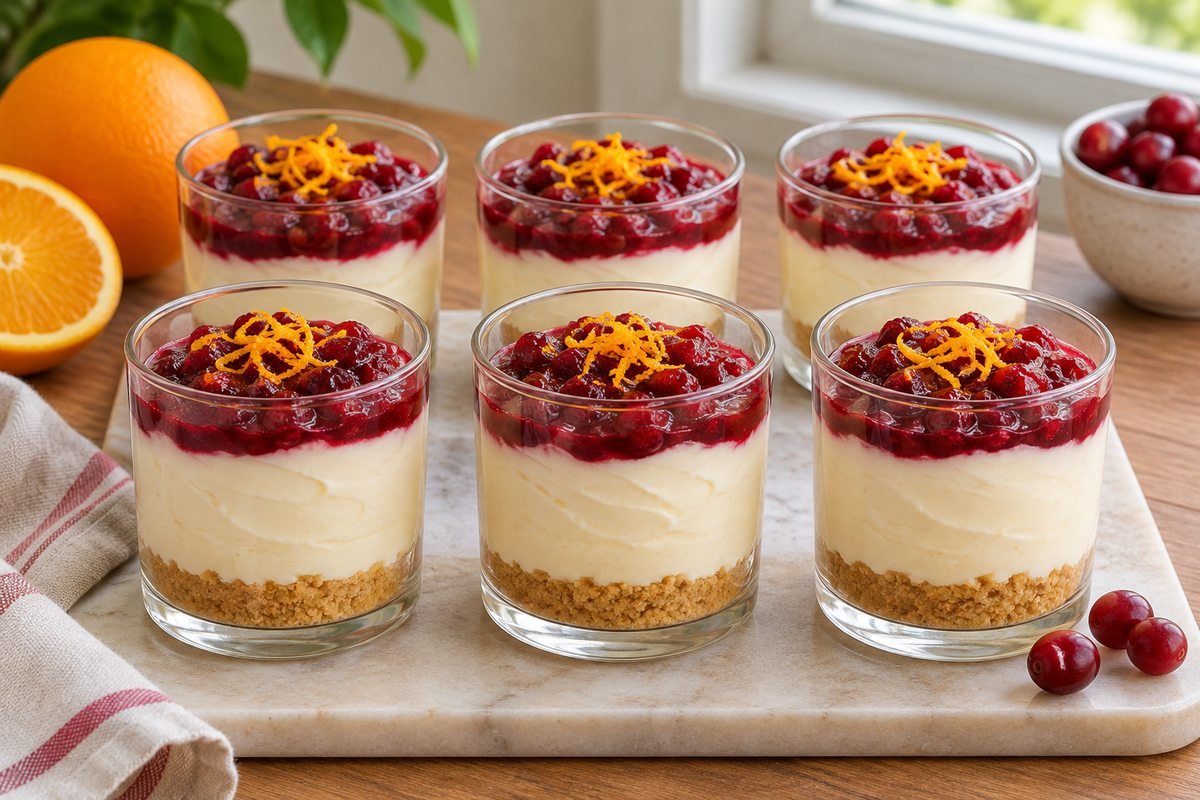
No-Bake Cranberry Orange Cheesecake Cups
Individual spoon desserts with graham cracker crumbs, orange-scented cheesecake mousse, and a tart cranberry layer. No e
View Recipe
Soft Apple Slice Bars with Cinnamon and Nutmeg – Chicago Bakery Style
Soft, bakery-style apple slices baked with cinnamon and nutmeg, filled with tender apple pieces and lightly dusted with
View Recipe
Fudgy Brownie Bottom Cheesecake with Caramel Swirl
Rich cheesecake layered over a fudgy brownie base with swirls of caramel and topped with whipped cream, brownie bites, a
View Recipe
Easy Chocolate Cherry Cheesecake with Cookie Crust
Rich chocolate cookie crust cheesecake layered with cherry filling and topped with silky chocolate ganache, whipped crea
View Recipe