

Mushroom Spinach Lasagna Rolls

Bake mushroom spinach lasagna rolls with ricotta and marinara, with tips for a firm filling, tender pasta, and neat make-ahead portions.
Printable Recipe Card
Mushroom Spinach Lasagna Rolls
Bake mushroom spinach lasagna rolls with ricotta and marinara, with tips for a firm filling, tender pasta, and neat make-ahead portions.
30 minutes
35 minutes
75 minutes
4 servings
Dinner
American
4 servings
540 calories
Equipment
Large pasta pot
Skillet
Baking dish
Thermometer
Ingredients
- 8 regular lasagna noodles, not oven-ready
- 1 tablespoon olive oil
- 8 ounces mushrooms, finely chopped
- 2 garlic cloves, minced
- 10 ounces frozen chopped spinach, thawed and squeezed very dry
- 15 ounces ricotta cheese
- 1 large egg
- 1/3 cup finely grated Parmesan
- 6 ounces shredded mozzarella, divided
- 2 1/2 cups marinara sauce
- 1/2 teaspoon dried Italian seasoning
- 1/4 teaspoon black pepper
- Salt to taste
Instructions
- Heat oven to 375 degrees F. Cook noodles in salted water until flexible and just shy of fully tender. Drain and lay flat on lightly oiled parchment.
- Heat oil in a skillet and cook mushrooms 7 to 10 minutes until released moisture has evaporated. Add garlic for 30 seconds, then cool.
- Mix ricotta, egg, Parmesan, half the mozzarella, dry spinach, cooled mushrooms, Italian seasoning, and pepper. Taste for salt before adding the raw egg if desired; do not taste raw egg filling.
- Spread 1 cup marinara in a baking dish. Divide filling over noodles, roll gently, and arrange seam sides down. Cover with remaining sauce and mozzarella.
- Cover with foil and bake 25 minutes. Uncover for about 10 minutes until bubbling and the center filling reaches 165 degrees F. Rest 10 minutes and serve 2 rolls per portion.
Notes
Nutrition is an estimate per serving, not a laboratory analysis. Brands, substitutions, and portion sizes affect the values. Image is an AI-generated illustration. This newly developed recipe has not been independently kitchen-tested. Replace mushrooms with well-drained cooked zucchini. Keep vegetables dry so the filling holds its shape.
Storage
Refrigerate within 2 hours and use within 3 to 4 days. Freeze cooked portions up to 2 months for quality.
Reheating
Reheat covered with extra marinara to 165 degrees F in the center.
Variations
Replace mushrooms with well-drained cooked zucchini. Keep vegetables dry so the filling holds its shape.
Nutrition
Mushroom spinach lasagna rolls wrap a ricotta filling in individual pasta sheets, then bake in marinara under mozzarella. Browning the mushrooms and squeezing the spinach keep the filling concentrated rather than watery. Each roll is easy to portion, with a familiar lasagna flavor and a little more structure than a large layered pan.
This version makes eight rolls. Cook the noodles just until pliable, spread the filling evenly, and place the seams down in the baking dish. Sauce beneath and around the rolls helps the pasta stay tender. A short covered bake heats the centers before an uncovered finish melts and lightly colors the cheese.
Use Regular Lasagna Noodles
Traditional boil-first noodles work best for rolling because they become flexible in water. Oven-ready sheets are designed for a different process and can crack when forced into a roll without proper softening. Cook a couple of extra noodles in case one tears. Salt the water, stir gently at first, and avoid cooking until the sheets are falling apart.
Drain and lay the noodles flat on a clean lightly oiled tray or towel so they do not stick together. Handle carefully because a folded hot sheet can tear when pulled open. Do not leave them in a tangled pile in the colander while preparing the rest of the recipe. Having the filling almost ready before boiling the pasta keeps assembly manageable.
Brown Mushrooms Before Chopping Them Fine
Slice mushrooms and cook in a wide skillet until their moisture evaporates and some edges brown. A crowded wet pile needs patience before coloring. Once cooked, chop into smaller pieces suitable for spreading through ricotta. Raw mushrooms release too much liquid inside the rolls and can leave a pale, watery filling.
Cremini or white button mushrooms both work. Garlic and a little thyme can be added toward the end of cooking. Let the mixture cool before stirring it into the dairy and egg so you do not heat the filling unevenly. If the skillet contains a pool of liquid, cook that off rather than pouring it into the bowl.
Squeeze Spinach More Than Once
Thawed frozen chopped spinach is convenient, but it must be squeezed firmly. A clean towel helps remove more water than pressing it lightly in a sieve. Break up the compressed ball afterward so the greens distribute evenly. Large wet clumps create weak spots in a roll and can leak moisture into the sauce.
Fresh spinach can be wilted, cooled, squeezed, and chopped instead. Its raw volume is not equivalent to the final prepared amount, so measure after cooking when using that substitution. A small amount of chopped parsley adds fresh flavor alongside the spinach. The dish should still taste like ricotta and mushrooms rather than a densely packed block of greens.
Keep the Ricotta Filling Spreadable
Ricotta, a little Parmesan, egg, and seasonings bind the vegetables. If the ricotta looks very wet, drain it briefly in a sieve before mixing. The filling should spread in a thin layer without running off the noodles. Taste the cooked mushrooms and greens before adding raw egg; do not sample the final raw egg mixture.
Use a measured portion for each noodle so the last rolls are not almost empty. Leave a small border at both ends, then roll gently without squeezing all the filling out. Too much filling looks generous initially but makes the seam difficult to keep closed. Place the finished roll seam side down in the sauced dish.
Use Enough Sauce to Protect Pasta Edges
Spread marinara over the bottom of the baking dish before arranging the rolls. Spoon more over the top, especially any exposed noodle corners. Those edges dry and toughen if they are left bare. A sauce that is extremely thick can be loosened with a small splash of water, but do not turn the pan into a deep soup.
Choose a marinara you enjoy because it contributes much of the final flavor. A very sweet or strongly spiced jar changes the dish more than a small adjustment to the ricotta. If making a vegetarian meal, check the rennet in the Parmesan-style cheese as well as the sauce ingredients. The recipe has no meat, but packaged products still vary.
Heat the Centers Before Browning Cheese
Cover the pan for the first baking stage so the rolls heat evenly. Uncover and add or finish melting mozzarella near the end. The egg-containing filling should reach at least 165 degrees F; a fully bubbling casserole center is useful but a thermometer gives clearer information. A refrigerator-cold assembled pan may need longer than one put together just before baking.
Rest ten minutes before lifting the rolls. A wide spatula helps keep the seam underneath. Serve with salad or garlic butter dinner rolls. If you prefer another filled pasta, try the meat cannelloni, which uses a different filling and sauce rather than being a direct substitution for these rolls.
Freeze Portions Before or After Baking
Arrange unbaked rolls with sauce in a freezer-safe dish, wrap well, and freeze for up to two months for quality. Thaw in the refrigerator before baking and allow extra covered time. Do not move a frozen glass dish directly to a hot oven unless the manufacturer specifically allows it. Smaller freezer-safe portions are easier to handle for weeknight meals.
Refrigerate cooked leftovers within two hours and use within three to four days. Reheat covered to 165 degrees F, adding a little sauce or water if the edges look dry. Nutrition is estimated for four dinner servings of two rolls each. One roll works as a smaller portion with substantial sides, and that changes the amount per serving accordingly.
Variations
Replace mushrooms with well-drained cooked zucchini. Keep vegetables dry so the filling holds its shape.
Storage and Reheating
Refrigerate within 2 hours and use within 3 to 4 days. Freeze cooked portions up to 2 months for quality.
Food Safety Source
For safe cooking temperatures and food handling basics, see the USDA safe minimum internal temperature chart.
Frequently Asked Questions
Can I use no-boil noodles?
Regular boiled noodles are easier to roll. No-boil sheets are not a direct substitute in these instructions.
Why is my filling watery?
Spinach and mushrooms release water. Squeeze spinach firmly and cook mushroom moisture away before mixing.
Can I refrigerate before baking?
Yes, covered for up to 1 day. Allow extra baking time from cold and check the center temperature.
Can I freeze the rolls?
Yes. Freeze cooled portions tightly wrapped, thaw in the refrigerator, and reheat to 165 degrees F.
More Recipes You'll Love
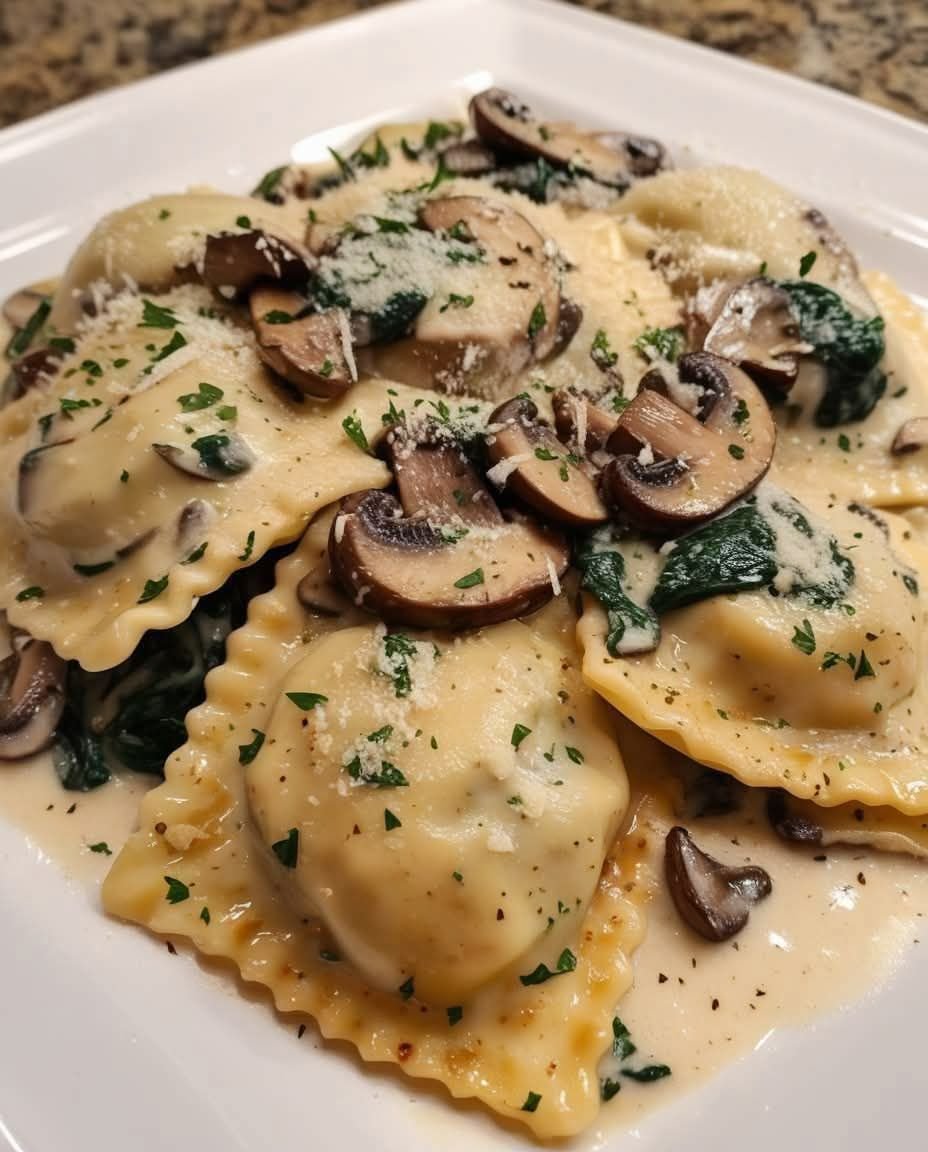
Creamy Mushroom Ravioli with Spinach and Parmesan Garlic Sauce
Tender mushroom ravioli tossed with fresh spinach in a rich garlic Parmesan cream sauce.
View Recipe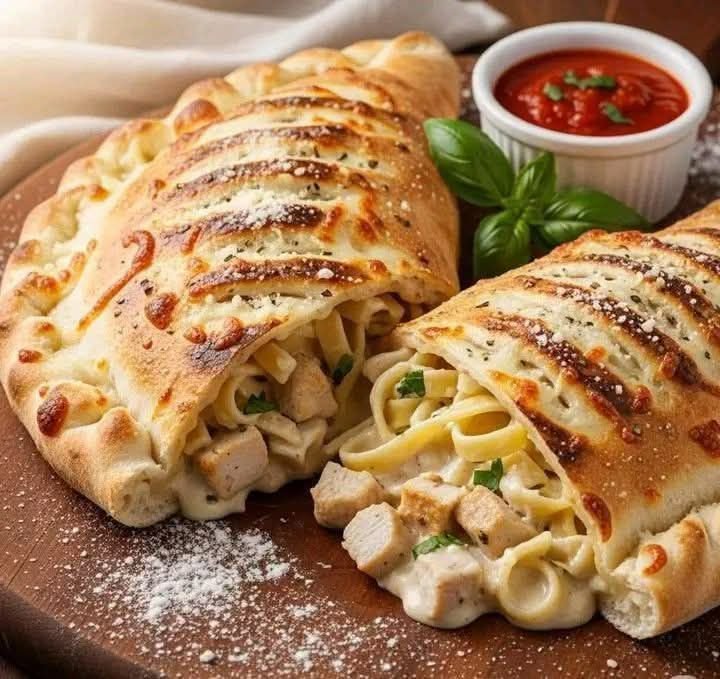
Baked Chicken Alfredo Calzones with Spinach and Garlic
Golden baked calzones stuffed with creamy Alfredo chicken, mozzarella, and parmesan for a rich, comforting Italian-style
View Recipe
Cheesy Shrimp Alfredo Lasagna Bake
Rich and cheesy lasagna layered with garlic shrimp, creamy Alfredo sauce, ricotta, and mozzarella for a decadent seafood
View Recipe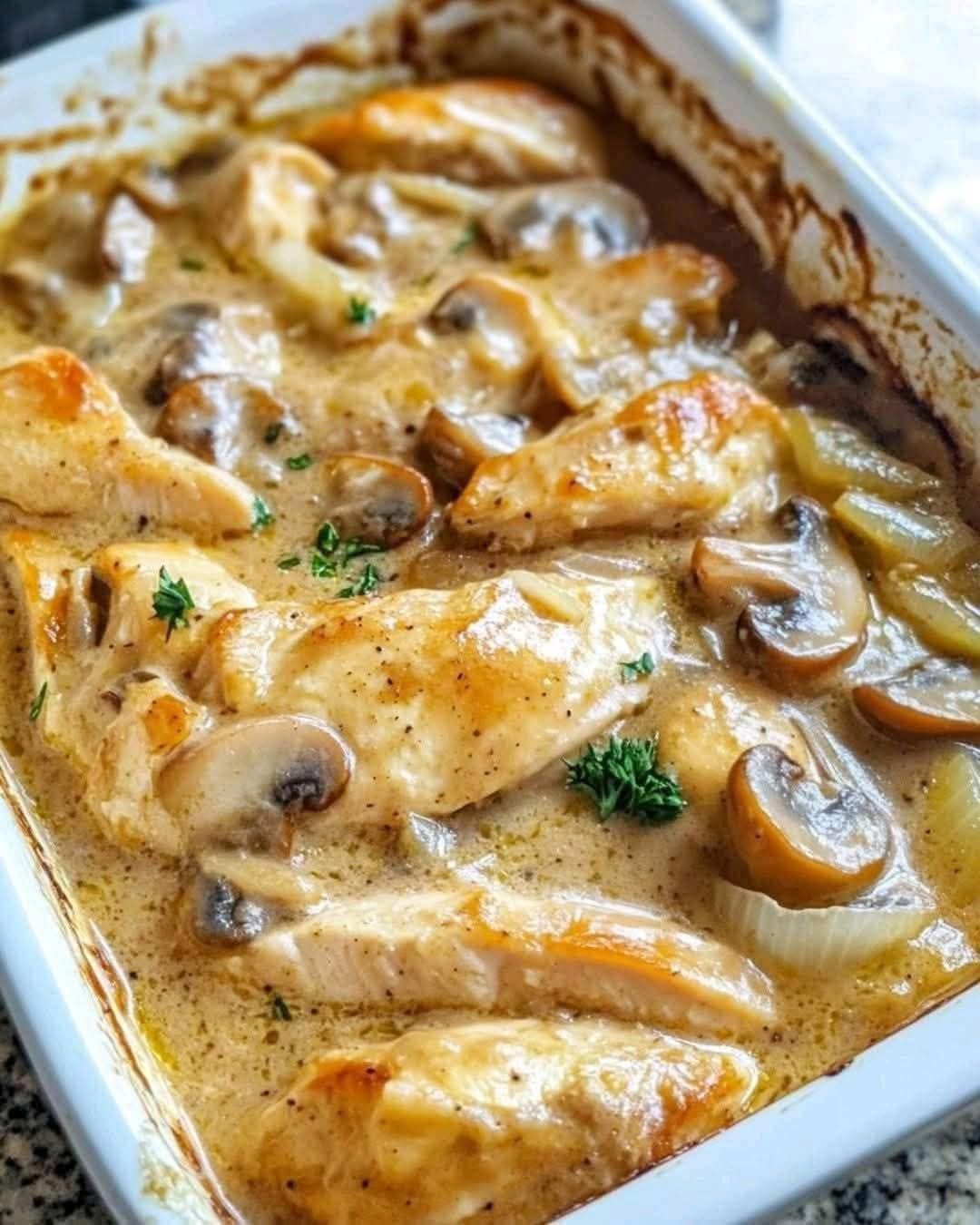
Easy Chicken and Mushroom Casserole with Creamy Sauce
Tender chicken baked with sautéed mushrooms in a rich creamy sauce made with chicken broth, lemon, and half-and-half.
View Recipe