

Honey Mustard Chicken and Broccoli Sheet-Pan Dinner

Roast honey mustard chicken with broccoli and baby potatoes on one pan, with staggered timing and tips for a safe finishing glaze and juicy meat.
Printable Recipe Card
Honey Mustard Chicken and Broccoli Sheet-Pan Dinner
Roast honey mustard chicken with broccoli and baby potatoes on one pan, with staggered timing and tips for a safe finishing glaze and juicy meat.
20 minutes
40 minutes
65 minutes
4 servings
Dinner
American
4 servings
560 calories
Equipment
Large rimmed sheet pan
Two glaze bowls
Pastry brush
Thermometer
Ingredients
- 1 1/2 pounds boneless skinless chicken thighs
- 1 1/2 pounds baby potatoes, halved
- 1 pound broccoli florets
- 3 tablespoons olive oil, divided
- 3 tablespoons honey
- 3 tablespoons Dijon mustard
- 1 tablespoon whole-grain mustard
- 1 tablespoon lemon juice
- 2 garlic cloves, minced
- 3/4 teaspoon kosher salt, divided
- 1/2 teaspoon black pepper
Instructions
- Heat oven to 425 degrees F. Toss potatoes with 1 tablespoon oil and some salt and pepper. Roast cut sides down 15 minutes.
- Whisk honey, both mustards, lemon, garlic, and 1 tablespoon oil. Reserve half in a clean bowl before touching raw chicken.
- Pat chicken dry, season, and add to the pan. Brush with the raw-meat portion of glaze and roast 10 minutes.
- Toss dry broccoli with remaining oil and add around the chicken. Roast 12 to 18 minutes more until chicken reaches 165 degrees F and vegetables are tender.
- Remove finished chicken if vegetables need longer. Rest 5 minutes, then serve with the clean reserved glaze; discard raw-contact glaze.
Notes
Nutrition is an estimate per serving, not a laboratory analysis. Brands, substitutions, and portion sizes affect the values. Image is an AI-generated illustration. This newly developed recipe has not been independently kitchen-tested. Use trimmed green beans instead of broccoli or change some potatoes to small sweet potato cubes, checking their doneness.
Storage
Refrigerate within 2 hours and use within 3 to 4 days. Store extra clean sauce separately.
Reheating
Heat chicken to 165 degrees F with a little moisture. Warm vegetables separately uncovered for better texture.
Variations
Use trimmed green beans instead of broccoli or change some potatoes to small sweet potato cubes, checking their doneness.
Nutrition
Honey mustard chicken and broccoli sheet-pan dinner pairs boneless chicken thighs with baby potatoes, broccoli, and a tangy-sweet glaze. The potatoes roast first, then the chicken joins them, and the broccoli goes in later so its florets do not burn while the meat cooks. That staggered timing is the difference between a useful one-pan dinner and a tray where one component is ready long before the others.
The glaze uses honey, Dijon, a little whole-grain mustard, and lemon juice. It should lightly coat the chicken rather than form a deep sticky pool. Reserve a clean portion before brushing raw meat so you have safe finishing sauce at the table. A big rimmed sheet pan gives the vegetables room to brown instead of steaming beneath the chicken.
Why Thighs Suit a Shared Roasting Pan
Boneless skinless thighs tolerate a little variation in cooking time and stay juicy alongside the vegetables. Trim obvious large pockets of fat, but do not cut every small edge away. Unfold the pieces so they are relatively flat and similar in thickness. Chicken rolled tightly into a ball cooks differently from a spread-out thigh, even when both pieces weigh the same.
If using breasts, choose pieces of similar size and pound thick ends gently to even them out. Begin checking early because lean breast meat dries more quickly. Both cuts must reach 165 degrees F in the thickest part. The appearance of the glaze is not a reliable doneness check, especially when honey browns before the center has heated fully.
Give Baby Potatoes Their Own First Stage
Halve small baby potatoes and quarter larger ones. Toss with olive oil, salt, and pepper, then arrange cut sides against the metal. Roast fifteen minutes before adding the chicken. If the potatoes are much larger than the recipe assumes, a brief parboil can help, but cutting them smaller is usually the simpler solution for a weeknight pan.
Use a pan large enough to leave gaps between pieces. Piling potatoes around the chicken traps moisture and prevents browned cut faces. If you are cooking for a larger group, use two pans rather than scaling everything onto one crowded tray. Rotate their positions if your oven heats unevenly, and keep an eye on the vegetables nearest the back wall.
Mix a Balanced Mustard Glaze
Dijon gives the sauce a smooth tang, while whole-grain mustard adds texture. Honey softens the sharpness, and lemon juice keeps the finish from tasting heavy. Whisk with a little oil and minced garlic until uniform. Different mustards vary in salt and strength, so avoid adding a large extra pinch of salt to the glaze before tasting it.
Divide the mixture into two bowls immediately. One bowl is for brushing uncooked chicken, and the other stays untouched for finishing. Use separate utensils. This simple division is easier than remembering which spoon touched raw meat later. Any sauce left in the raw-meat bowl should not be drizzled over cooked food without an appropriate cooking step.
Add Broccoli After the Chicken Has Started
Broccoli florets roast faster than potato chunks. Cut them into medium pieces with some stem attached and toss lightly with oil. Add them during the final fifteen minutes or so, spreading them around the chicken rather than covering the meat. Very small florets char rapidly, while a thick stalk needs longer; trim and slice stems so the pieces cook more evenly.
Dry broccoli well after washing. Water on the florets delays browning and thins any glaze it touches. Frozen broccoli releases more moisture and gives a softer result, so fresh is the more predictable choice for this tray. If you only have frozen, roast it on a separate pan and combine at serving rather than wetting the chicken pan.
Check Every Component Before Serving
Insert a thermometer into the thickest chicken piece, then check another if their sizes differ. The potatoes should be easy to pierce, and the broccoli stems should be tender with some bite. If the meat is done first, move it to a clean plate while the vegetables finish. Leaving it in the oven merely to wait for a stubborn potato can dry it out.
Rest the chicken briefly, then spoon over the clean reserved glaze. If a patch of honey scorches on the metal, leave the blackened residue behind rather than scraping it onto the vegetables. A tablespoon of water added around an early dark spot can sometimes prevent further burning, but it should not wash the glaze off the meat.
Turn the Tray Into Different Meals
Serve as it is for a complete dinner, with a small green salad if you want more freshness. Leftover chicken can be sliced into wraps or placed over cooked rice. Keep extra sauce separate so the vegetables do not soften in storage. For another chicken tray with a different flavor, see the garlic-herb chicken traybake.
Green beans can replace broccoli if trimmed and added at the same late stage. Sweet potatoes need a slightly different cut size and may brown faster because of their sugars. Do not add both large sweet-potato chunks and tiny florets at once and expect them to finish together. The method is flexible when each vegetable gets timing suited to its texture.
Pack and Reheat With Moisture Control
Refrigerate leftovers within two hours and use within three to four days. Cool in shallow containers rather than keeping the whole pan wrapped on the counter. Reheat chicken to 165 degrees F, covered with a little broth or water if it looks dry. Reheat vegetables uncovered separately when you want to recover some roasted edges.
The nutrition estimate covers four portions of chicken, potatoes, broccoli, and glaze. Extra bread or a larger sauce drizzle changes those values. This dinner also fits alongside roasted Brussels sprouts if you are changing vegetables for a holiday meal, but keeping one familiar vegetable on the tray is the easiest way to make it a repeatable weeknight recipe.
Variations
Use trimmed green beans instead of broccoli or change some potatoes to small sweet potato cubes, checking their doneness.
Storage and Reheating
Refrigerate within 2 hours and use within 3 to 4 days. Store extra clean sauce separately.
Food Safety Source
For safe cooking temperatures and food handling basics, see the USDA safe minimum internal temperature chart.
Frequently Asked Questions
Can I use chicken breasts?
Yes, but choose even thicknesses and check early. Both cuts must reach 165 degrees F.
Why add broccoli later?
Broccoli cooks faster than potatoes and can burn if left in for the entire roast.
Can I use glaze from the raw chicken bowl?
Do not use it as a table sauce. Reserve a separate clean portion before brushing raw meat.
Can I use frozen broccoli?
It releases more water. Roast separately for a more predictable texture and combine at serving.
More Recipes You'll Love

One-Pan Creamy Paprika Chicken Dinner with Rice
Pan-seared chicken in a creamy paprika sauce served with fluffy rice and crispy roasted potatoes.
View Recipe
Baked Chicken Broccoli Alfredo – Easy Family Dinner
Creamy baked fettuccine with tender chicken, broccoli, and rich homemade Alfredo sauce.
View Recipe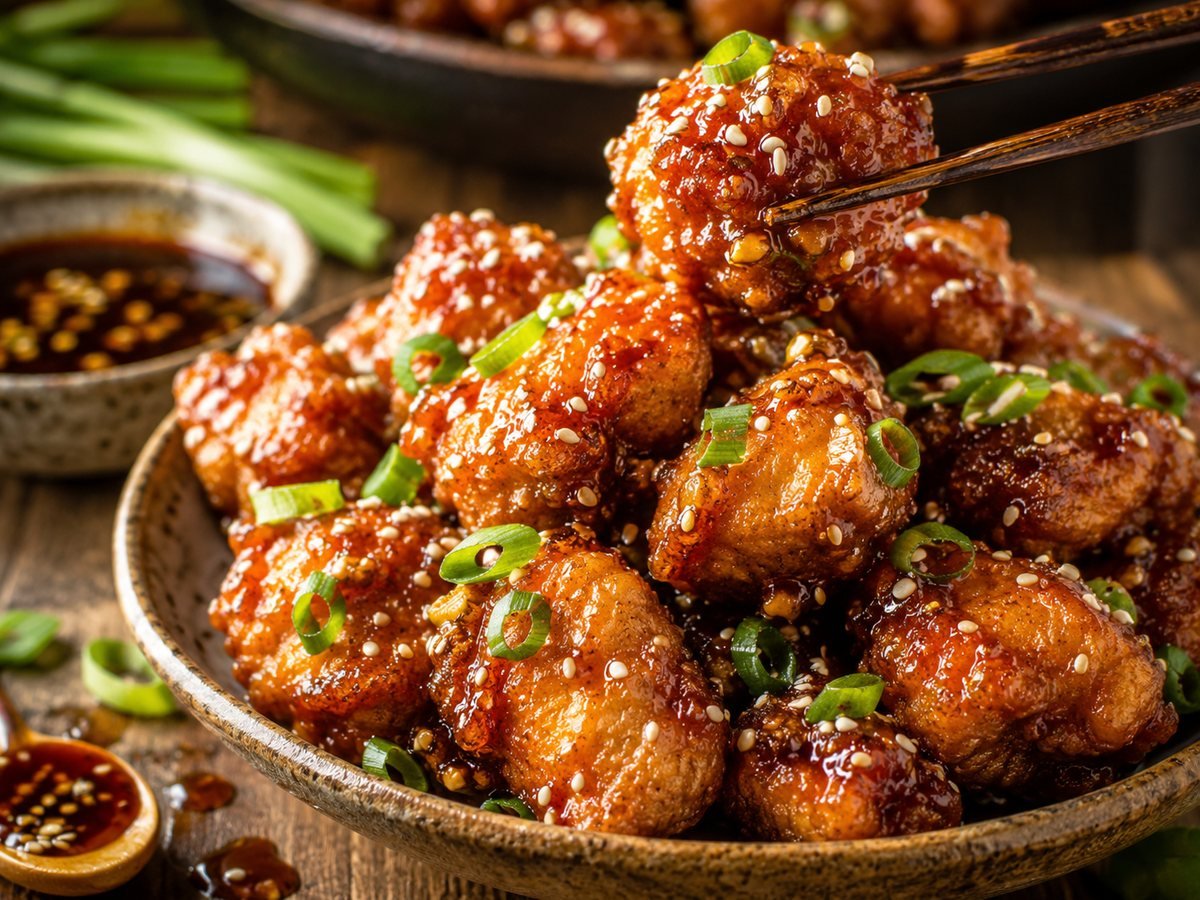
Crispy Honey Garlic Chicken Bites with Sticky Sauce
Crispy honey garlic chicken bites are tossed in a sticky sweet-savory sauce and finished with sesame seeds and green oni
View Recipe
Crockpot Honey Butter Chicken with Ranch Potatoes and Sweet Corn
This crockpot honey butter chicken with ranch potatoes and sweet corn is a cozy dump-and-go dinner with tender chicken,
View Recipe