

Ham Cheddar Biscuit Breakfast Bake

Make a ham cheddar biscuit breakfast bake with eggs and tender biscuit pieces, with tips to cook the middle through without drying out the edges.
Printable Recipe Card
Ham Cheddar Biscuit Breakfast Bake
Make a ham cheddar biscuit breakfast bake with eggs and tender biscuit pieces, with tips to cook the middle through without drying out the edges.
15 minutes
45 minutes
70 minutes
8 servings
Breakfast
American
8 servings
420 calories
Equipment
9-by-13-inch baking dish
Whisk
Instant-read thermometer
Ingredients
- 1 can refrigerated biscuit dough, 16 ounces, cut into small pieces
- 1 1/2 cups diced fully cooked ham
- 6 ounces sharp cheddar cheese, shredded
- 6 large eggs
- 1 cup whole milk
- 1 teaspoon Dijon mustard
- 3 green onions, sliced
- 1/4 teaspoon black pepper
- Butter or oil for the dish
Instructions
- Heat oven to 350 degrees F and grease a 9-by-13-inch baking dish.
- Separate biscuit pieces and distribute them loosely in the dish with ham, half the cheddar, and green onions. Do not pack dough into a thick clump.
- Whisk eggs, milk, mustard, and pepper. Pour evenly over dough and sprinkle remaining cheese on top.
- Cover loosely with foil and bake 25 minutes. Uncover and bake another 15 to 20 minutes, until the center reaches 165 degrees F and biscuit pieces in the middle have no raw dough.
- If the top browns before the center is done, tent again and keep baking. Rest 10 minutes before slicing.
Notes
Nutrition is an estimate per serving, not a laboratory analysis. Brands, substitutions, and portion sizes affect the values. Image is an AI-generated illustration. This newly developed recipe has not been independently kitchen-tested. Replace ham with cooked mushrooms or cooked sausage. Check biscuit package size, since larger cans change the bake depth.
Storage
Refrigerate within 2 hours and use within 3 to 4 days. Freeze individual cooled portions up to 2 months.
Reheating
Reheat a covered portion to 165 degrees F; uncover briefly to improve the top texture.
Variations
Replace ham with cooked mushrooms or cooked sausage. Check biscuit package size, since larger cans change the bake depth.
Nutrition
Ham cheddar biscuit breakfast bake combines bite-size pieces of refrigerated biscuit dough with cooked ham, cheddar, scallions, and an egg custard. It is a savory casserole with golden biscuit tops and a soft, fully set middle. The dough pieces need room to rise and cook, so this is more than pouring eggs over an intact layer of biscuits.
The recipe makes eight breakfast portions in a 9x13-inch dish. It uses fully cooked ham, which keeps preparation simple, but the egg mixture and dough still need enough baking time. Cut the biscuits into small pieces, distribute the fillings evenly, and cover for the first part of baking. That gives the center time before the exposed tops become too dark.
Use the Biscuit Size Specified
A sixteen-ounce can of refrigerated biscuits is a useful starting amount. Brands vary in biscuit count and size, so use the package weight rather than assuming every can is equivalent. Cut each biscuit into several smaller pieces. Large whole biscuits can remain doughy underneath when surrounded by egg mixture and cheese.
Separate the pieces as you scatter them through the dish instead of dropping them in a tight stack. A little space lets hot custard and air reach more surfaces. Flaky biscuits produce a more layered crumb, while homestyle dough gives a softer bite. Avoid substituting a large batch of raw homemade dough without considering that its rising behavior may be different.
Dice Fully Cooked Ham
Use a plainly seasoned cooked ham, cut into small cubes. Very thick chunks can feel out of proportion to the eggs and biscuits. Drain any liquid from packaged diced ham and pat it dry if needed. Water introduced from the meat can dilute the custard and extend the cooking time in the center.
Ham and cheddar both bring salt, so season the eggs lightly at first. Smoked ham gives a stronger flavor than a mild deli-style product. If using leftover ham, stay within its original safe refrigerator storage window; putting it into a new casserole does not restart that clock. The timing is not written for raw pork or uncooked sausage.
Whisk Eggs Until No Streaks Remain
Mix eggs with milk, a little Dijon, black pepper, and a restrained pinch of salt. Whisk until the whites and yolks are fully combined. Separate streaks can bake into rubbery pockets rather than a uniform custard. Pour the mixture slowly over the scattered biscuits, ham, and most of the cheddar, then gently move a few pieces so the liquid settles evenly.
The dish should not look like a pan of soup with a few biscuit islands. The liquid amount is designed to set around the dough rather than drown it. If using a different milk, choose an unsweetened version. Sweet vanilla-flavored milk alternatives are a poor match for ham, mustard, and cheese even when the texture seems similar.
Keep Cheese and Scallions Evenly Distributed
Sharp cheddar brings noticeable flavor with a moderate quantity. Grate it from a block if you want a smoother melt, or use a shredded product that you already like. Mix most through the layers and reserve a little for the surface. A solid thick cheese blanket can brown early and make it harder to see the biscuit and egg center.
Scallions add a mild onion note without a separate sauteing step. Slice thinly, using both pale and green parts. If substituting raw yellow onion, cook it first so it does not stay sharp inside the casserole. Bell peppers are another possible addition, but soften and drain them before using; watery raw vegetables can complicate the bake.
Bake Covered Before Browning the Top
Begin at 350 degrees F with a loose foil cover. The trapped heat helps the biscuit pieces cook through without drying the top. Uncover during the final stage and add the reserved cheese. A refrigerator-cold assembled casserole may need longer, so leave some flexibility if preparing it ahead for a brunch.
Check both the egg mixture and a central biscuit piece. The casserole should reach 165 degrees F for the eggs, with no raw dough in the biscuit center. If the top is golden first, tent again and continue baking. Rest ten minutes before cutting so the custard settles and the portions hold together more cleanly.
Serve With a Fresh Side
Fruit, sliced tomatoes, or a simple green salad makes a useful contrast to the ham and cheese. There is already bread in the casserole, so toast is optional. A small bowl of salsa or hot sauce on the side lets everyone adjust the flavor without making the entire dish spicy. Keep sauces separate if some servings will become leftovers.
For a breakfast with a different bread structure, see the make-ahead breakfast burritos. The egg muffins are convenient when you want smaller portable portions. This biscuit bake is best served from a pan while warm, rather than handled like a dry breakfast sandwich.
Make Ahead and Reheat Carefully
You can dice ham and grate cheese a day ahead. For the most predictable biscuit rise, assemble relatively close to baking rather than soaking the raw dough overnight. If you do refrigerate an assembled pan for several hours, expect a softer texture and allow extra covered cooking time. Follow your pan's temperature guidance when moving it from cold storage to the oven.
Refrigerate cooked leftovers within two hours and use within three to four days. Reheat covered to 165 degrees F, then uncover briefly for a little top texture. Freeze cooled portions for up to two months for quality. Nutrition is estimated for eight servings using the listed biscuit weight, ham, and cheddar, excluding sauces and extra breakfast sides.
Variations
Replace ham with cooked mushrooms or cooked sausage. Check biscuit package size, since larger cans change the bake depth.
Storage and Reheating
Refrigerate within 2 hours and use within 3 to 4 days. Freeze individual cooled portions up to 2 months.
Food Safety Source
For safe cooking temperatures and food handling basics, see the USDA safe minimum internal temperature chart.
Frequently Asked Questions
Can I use raw breakfast meat?
Not directly. Cook raw sausage or bacon safely first and drain it before assembling.
Why is the center doughy?
Large or crowded biscuit pieces can stay raw. Cut small, spread loosely, and check the middle before serving.
Can I reduce the salt?
Use lower-sodium ham and avoid extra salt until tasting; biscuit dough and cheese also contain sodium.
Can I assemble overnight?
For the best biscuit texture, prepare egg mixture and toppings separately and combine shortly before baking.
More Recipes You'll Love
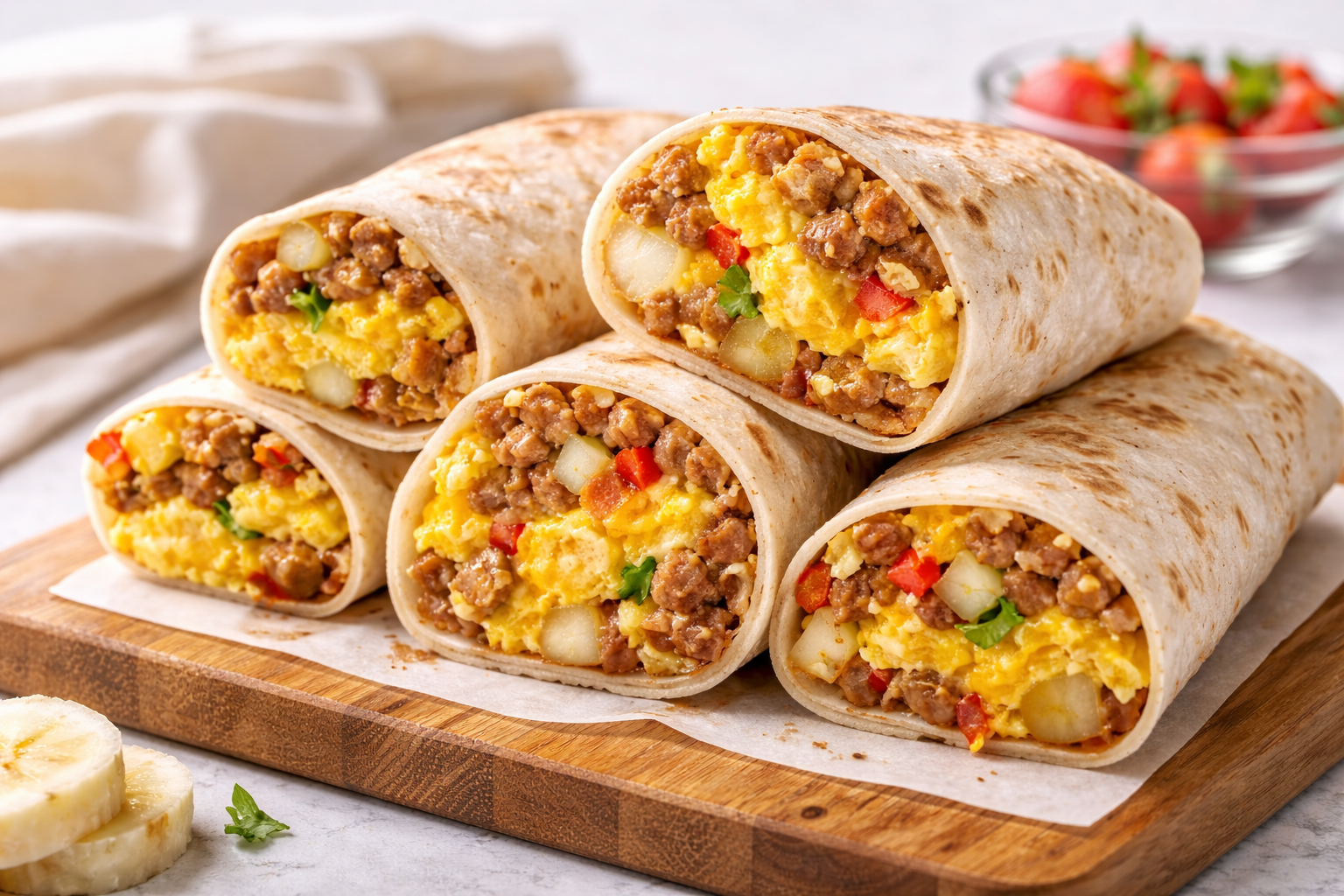
Make-Ahead Breakfast Burritos: The Freezer-Friendly Morning Game-Changer
Hearty, freezer-friendly breakfast burritos packed with eggs, sausage, cheese, and potatoes-perfect for meal prep.
View Recipe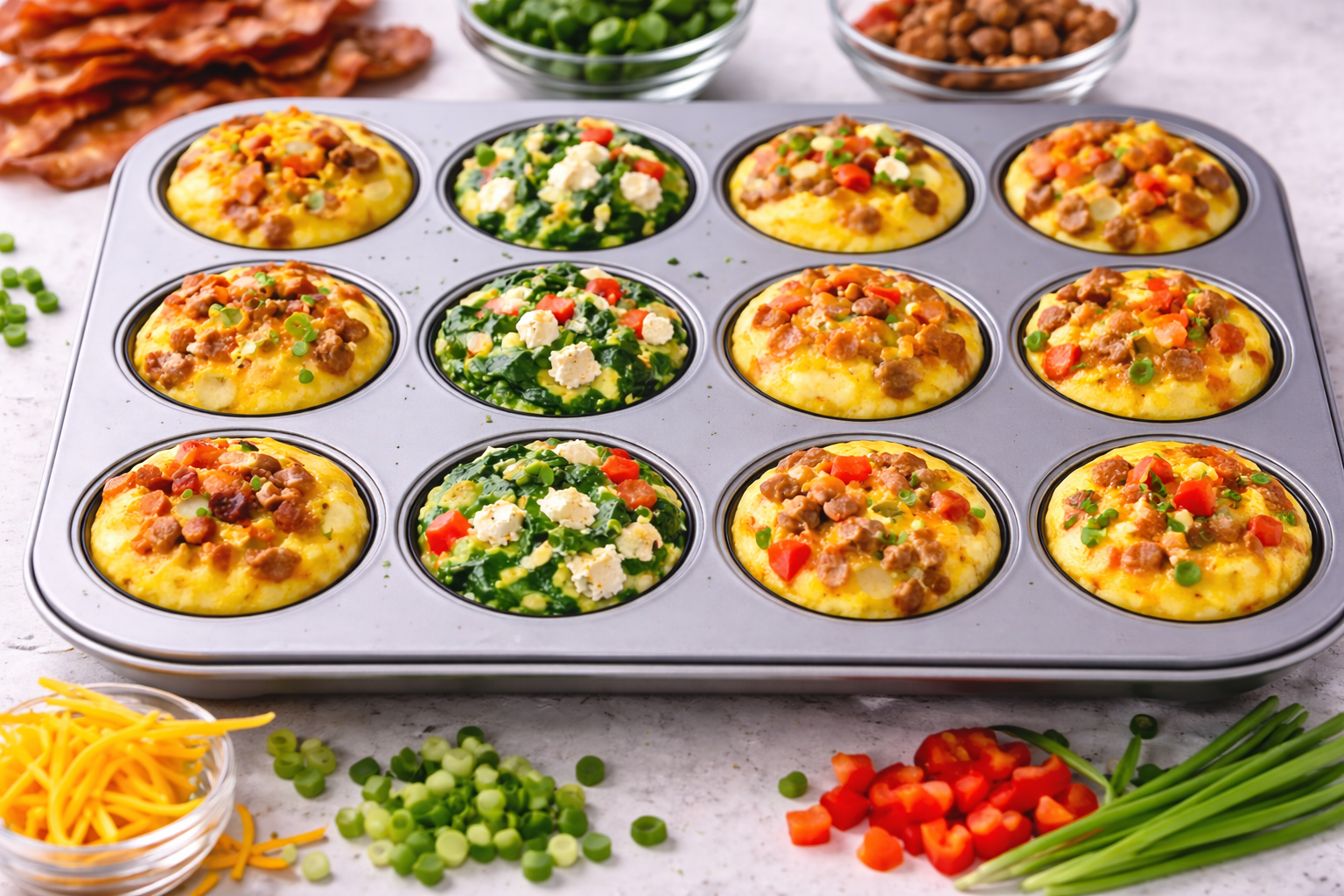
Protein-Packed Egg Muffins for Easy Meal Prep
Protein-packed egg muffins perfect for meal prep, with three easy flavor variations for grab-and-go breakfasts.
View Recipe
Easy Sausage & Potato Hash with Sunny-Side-Up Eggs
Hearty one-skillet brunch with crispy potatoes, smoked sausage, peppers, and sunny-side eggs.
View Recipe
Crustless Tomato Basil Mozzarella Quiche (Light, Fluffy & Low-Carb)
Light and fluffy crustless quiche with fresh basil, juicy tomatoes, and melted mozzarella.
View Recipe