
Old-Fashioned Chocolate Peanut Butter Sheet Cake

Old-fashioned chocolate peanut butter sheet cake with a tender chocolate base, creamy peanut butter layer, glossy chocolate frosting, and peanut butter chips.
Printable Recipe Card
Old-Fashioned Chocolate Peanut Butter Sheet Cake
Old-fashioned chocolate peanut butter sheet cake with a tender chocolate base, creamy peanut butter layer, glossy chocolate frosting, and peanut butter chips.
20 minutes
25 minutes
1 hour 15 minutes
1 sheet cake
Dessert
American
20 servings
430 calories
Equipment
Half sheet pan or 9x13-inch pan
Mixing bowls
Saucepan
Whisk
Offset spatula
Ingredients
- 2 cups all-purpose flour
- 2 cups granulated sugar
- 1/2 cup unsweetened cocoa powder
- 1 teaspoon baking soda
- 1/2 teaspoon salt
- 1 cup unsalted butter
- 1 cup water
- 1/2 cup buttermilk
- 2 large eggs
- 2 teaspoons vanilla extract
- 1 cup creamy peanut butter
- 3 cups powdered sugar
- 1/3 cup milk, plus more as needed
- 1 1/2 cups chocolate frosting or ganache
- 1 cup peanut butter chips
Instructions
- Preheat the oven to 350 degrees F and grease a sheet pan or 9x13-inch baking pan.
- Whisk flour, sugar, cocoa powder, baking soda, and salt in a large bowl.
- Melt butter with water in a saucepan, then pour over the dry ingredients and stir until combined.
- Whisk in buttermilk, eggs, and vanilla until the batter is smooth.
- Spread the batter in the prepared pan and bake for 22 to 25 minutes, or until a toothpick comes out clean.
- Cool the cake completely before frosting.
- Beat peanut butter, powdered sugar, milk, and vanilla until creamy, adding more milk if needed.
- Spread the peanut butter frosting over the cooled cake, then add chocolate frosting or ganache on top.
- Sprinkle with peanut butter chips, slice, and serve.
Notes
Cool the cake before adding the peanut butter layer so the frosting stays thick and smooth.
Storage
Store covered at room temperature for 1 day or in the refrigerator for up to 5 days.
Reheating
Serve at room temperature. If chilled, let slices sit out for 15 to 20 minutes before serving.
Variations
Add chopped peanuts, chocolate chips, mini peanut butter cups, or a drizzle of warm peanut butter before serving.
Nutrition
Old-Fashioned Chocolate Peanut Butter Sheet Cake is the kind of recipe that makes a normal day feel like a reason to gather around the table. It is built around moist chocolate cake, creamy peanut butter frosting, chocolate topping, and peanut butter chips, but the real appeal is how familiar and comforting it feels from the first bite. This is not fussy food. It is practical, flavorful, and made for real kitchens where people want dependable results without turning dinner or dessert into a project.
The method keeps the ingredient list approachable while still giving the finished dish enough detail to feel special. For an old-fashioned chocolate peanut butter sheet cake, the best results come from layering flavor at each step, giving the main ingredients enough time to cook properly, and finishing with texture so every serving feels complete. The recipe card below gives the exact amounts and steps, while the article explains the small choices that help the dish come out better.
This recipe fits naturally into the kind of cozy food people come back to again and again. You can serve it for a weeknight meal, a casual weekend, a family get-together, or a potluck table. If you are building a menu, browse more ideas in the FB Recipes archives or pair it with southern banana pudding cheesecake bars for another reader-friendly comfort recipe.
Why You'll Love Old-Fashioned Chocolate Peanut Butter Sheet Cake
The biggest reason this recipe works is balance. It has richness, flavor, and enough texture to keep each bite interesting. Instead of relying on one heavy note, the dish uses seasoning, sauce, topping, and careful cooking time to create a finished recipe that tastes complete. That matters for family cooking because simple recipes still need to feel worth repeating.
It is also flexible. You can adjust seasoning, change the topping, use what you have on hand, or scale the recipe for a bigger crowd. The base method stays steady, which makes it easier to customize without losing the point of the dish. That is exactly what makes a recipe useful after the first time you make it.
How to Get the Best Texture
Texture is what makes an old-fashioned chocolate peanut butter sheet cake feel finished instead of flat. Give the main ingredients room to cook, avoid rushing the heat, and let the finished dish rest when the recipe calls for it. Resting time is easy to skip, but it helps sauces settle, fillings firm, and flavors even out. That short pause often makes the first serving cleaner and better.
If the recipe includes a sauce or creamy layer, add it gradually and avoid high heat once dairy or sugar is involved. If the recipe includes a crisp coating or topping, keep moisture under control and serve close to finishing time. These small details are the difference between a dish that looks good in a photo and one that eats well at the table.
Make-Ahead Advice
Many comfort recipes can be partially prepped ahead. Chop vegetables, measure dry ingredients, cook bacon, shred cheese, mix sauce, or assemble part of the dish earlier in the day. If you are making a chilled dessert, the make-ahead time is often a benefit because the layers have time to set and the flavor becomes more developed.
When prepping ahead, keep crisp toppings separate until serving whenever possible. Sauces and creamy fillings can soften crunchy ingredients in the refrigerator. For baked dinners, cover tightly and refrigerate, then add a few extra minutes in the oven if the dish starts cold.
Serving Ideas
Serve this recipe with sides that balance the main flavor. Rich dinners go well with crisp salads, roasted vegetables, pickles, slaw, or simple steamed greens. Sweet desserts pair well with coffee, cold milk, fresh fruit, or a lightly sweet whipped topping. The goal is to make the plate feel complete without competing with the main recipe.
For gatherings, think about how the dish will sit on the table. Casseroles and sheet cakes are easy to portion. Bite-size chicken pieces are best served warm with extra sauce nearby. Pasta should be served soon after tossing so the sauce stays silky. Cheesecake bars need enough chill time so the slices hold their shape.
Storage and Reheating
Store leftovers in airtight containers and refrigerate within two hours. For hot dishes, shallow containers cool more quickly and reheat more evenly. For desserts, keep them covered so they do not absorb refrigerator odors or dry out. Labeling leftovers with the date is a simple habit that helps food stay safe and organized.
Reheat gently when the recipe includes cream, cheese, or sticky sauce. High heat can separate sauces or make proteins tough. Add a splash of milk, broth, or water when needed to loosen leftovers. Desserts with chilled layers should usually be served cold unless the recipe card says otherwise.
Variations
You can make this recipe your own with small changes. Add a little heat, switch cheeses, use a different pasta or potato, change the garnish, or add a seasonal topping. Keep the main structure the same the first time, then adjust once you know how the recipe behaves.
For a lighter version, reduce rich toppings slightly and add a fresh side. For a more indulgent version, add extra cheese, sauce, chocolate, peanut butter, whipped cream, or crispy garnish depending on the dish. The best variation is the one that fits your table and still keeps the recipe balanced.
Estimated Nutrition Notes
The nutrition values in the recipe card are estimates based on the listed ingredients and serving size. Actual numbers will vary by brand, portion size, substitutions, and how much sauce or topping is used. Use the estimate as a planning guide, not as medical or diet-specific advice.
Final Thoughts
Old-Fashioned Chocolate Peanut Butter Sheet Cake earns a spot in the rotation because it is comforting, useful, and built for real-life cooking. The flavor is familiar, the process is manageable, and the finished dish feels like something worth sharing. Follow the timing, use the visual cues, and make the simple adjustments that fit your kitchen. That is how a good recipe becomes one you come back to.
Variations
Add chopped peanuts, chocolate chips, mini peanut butter cups, or a drizzle of warm peanut butter before serving.
Storage and Reheating
Store covered at room temperature for 1 day or in the refrigerator for up to 5 days.
Food Safety Source
For safe cooking temperatures and food handling basics, see the USDA safe minimum internal temperature chart.
Frequently Asked Questions
Can I make this cake in a 9x13 pan?
Yes. A 9x13 pan makes a thicker cake and may need a few extra minutes of baking time.
Does the cake need to be refrigerated?
It can sit covered at room temperature for a day, but refrigerate it for longer storage because of the frosting layers.
Can I use natural peanut butter?
Shelf-stable creamy peanut butter usually makes the smoothest frosting. Natural peanut butter can separate and change the texture.
More Recipes You'll Love
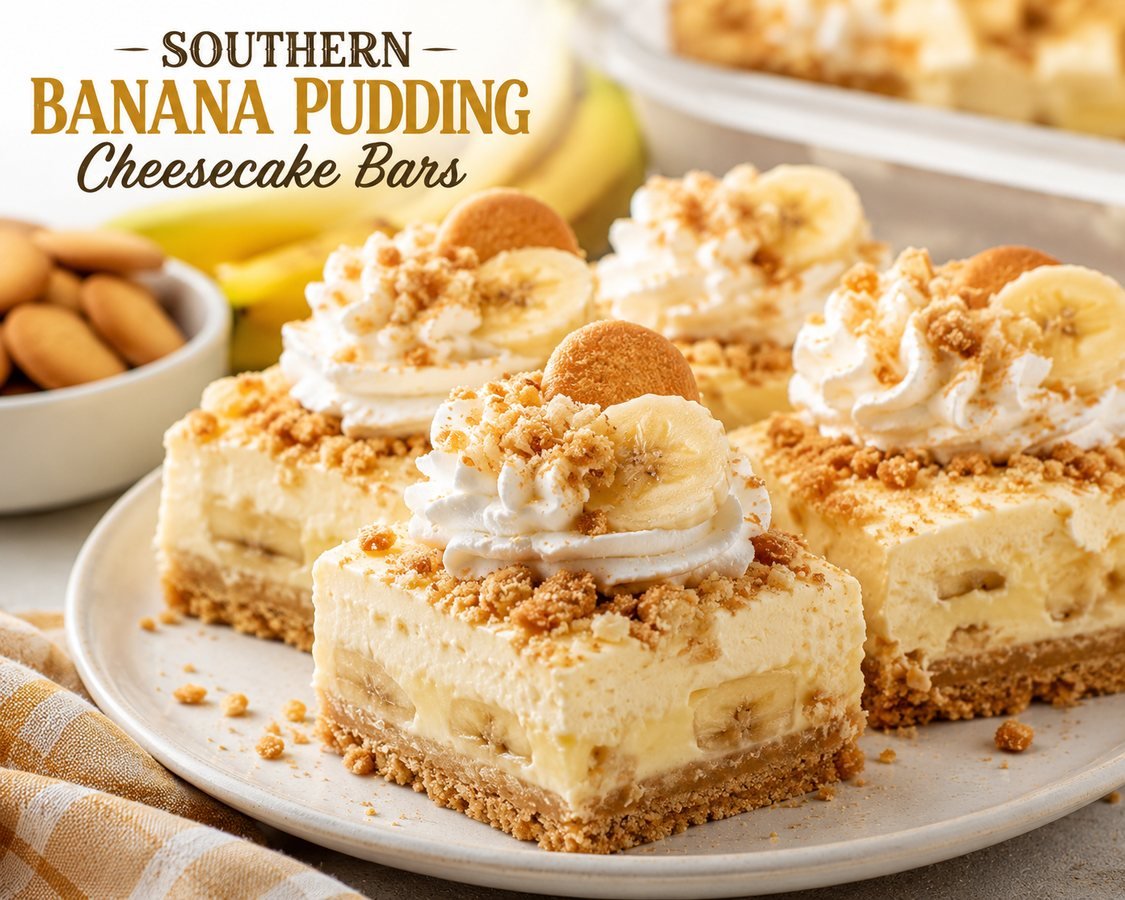
Southern Banana Pudding Cheesecake Bars
Southern banana pudding cheesecake bars combine vanilla wafer crust, creamy cheesecake filling, banana pudding flavor, w
View Recipe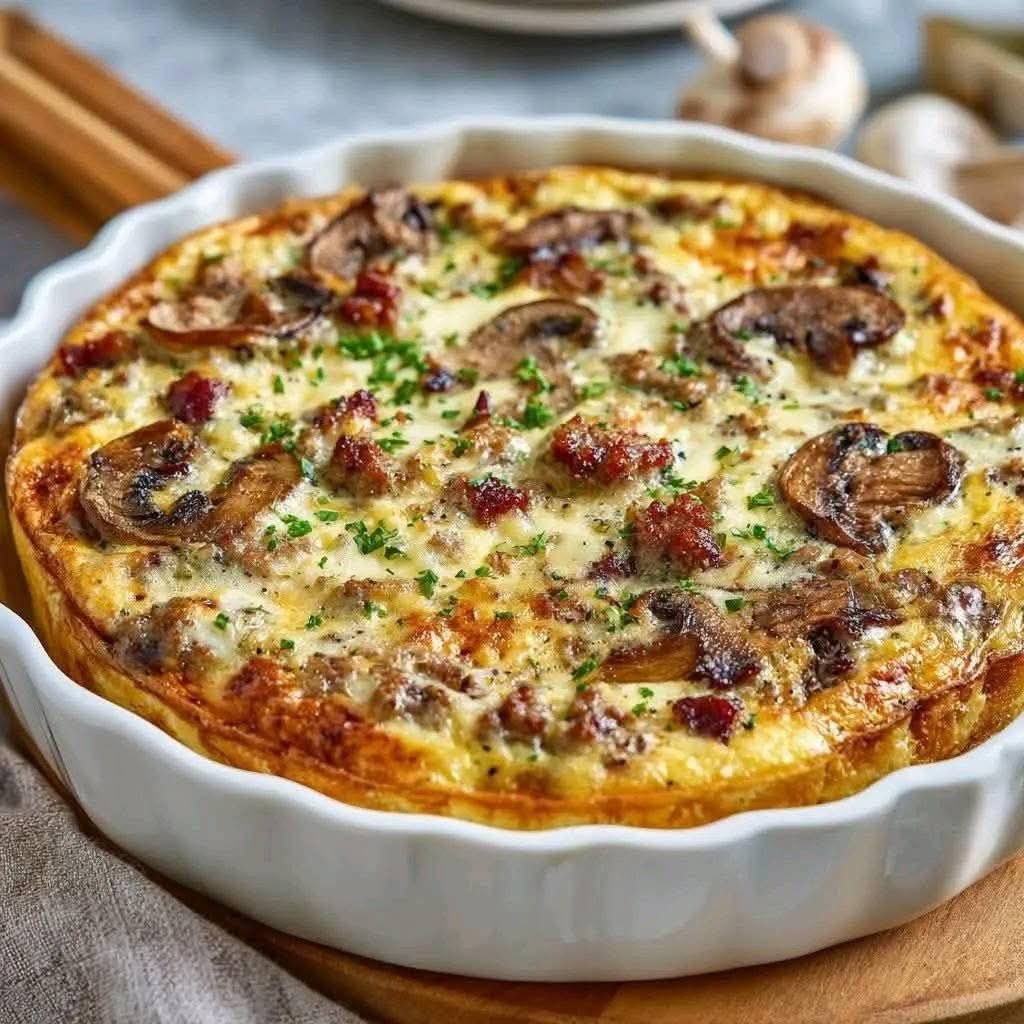
Low-Carb Cheese and Veggie Crustless Quiche (45-Minute Recipe)
Easy crustless quiche packed with eggs, cheese, roasted red peppers, spinach, and caramelized onions for a simple and fl
View Recipe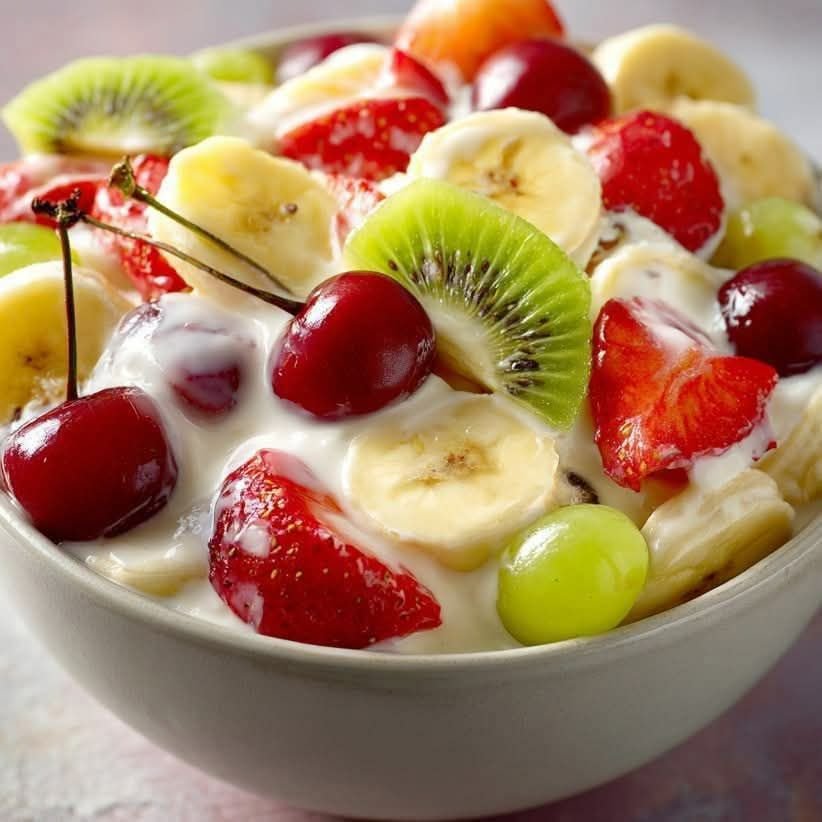
Creamy Fruit and Yogurt Bowl with Honey
Fresh fruit tossed with creamy yogurt and a touch of honey for a quick, refreshing, and healthy dessert or breakfast.
View Recipe
Old-Fashioned Banana Nut Bread Recipe (Perfectly Moist Every Time)
Moist old-fashioned banana nut bread made with ripe bananas and crunchy walnuts, baked until golden and perfect for brea
View Recipe