
Broccoli Cheddar Stuffed Baked Potatoes

Fill fluffy baked potatoes with broccoli cheddar sauce for a comforting dinner, with tips for crisp skins and a smooth homemade cheese sauce.
Printable Recipe Card
Broccoli Cheddar Stuffed Baked Potatoes
Fill fluffy baked potatoes with broccoli cheddar sauce for a comforting dinner, with tips for crisp skins and a smooth homemade cheese sauce.
15 minutes
70 minutes
85 minutes
4 servings
Dinner
American
4 servings
530 calories
Equipment
Sheet pan
Steamer
Saucepan
Whisk
Ingredients
- 4 large russet potatoes, about 10 ounces each, scrubbed and dried
- 1 tablespoon olive oil
- 1/2 teaspoon kosher salt, divided, or to taste
- 3 cups small broccoli florets
- 2 tablespoons unsalted butter
- 2 tablespoons all-purpose flour
- 1 1/2 cups milk
- 6 ounces sharp cheddar cheese, freshly shredded
- 1/2 teaspoon Dijon mustard
- 1/4 teaspoon black pepper
- 2 tablespoons chopped chives
Instructions
- Heat oven to 425 degrees F. Pierce potatoes several times, rub with oil, and sprinkle with some salt. Bake unwrapped on a sheet pan 50 to 70 minutes until completely tender.
- Near the end of baking, steam broccoli about 4 to 5 minutes until tender-crisp. Drain very well.
- Melt butter in a saucepan. Whisk in flour for 1 minute, then gradually whisk in milk. Simmer gently 3 to 5 minutes until lightly thickened.
- Remove from heat. Add cheddar by handfuls, stirring until melted, then mustard and pepper. Season after tasting and fold in drained broccoli.
- Split potatoes carefully, fluff the centers, and divide the broccoli cheese sauce among them. Finish with chives and serve hot.
Notes
Nutrition is an estimate per serving, not a laboratory analysis. Brands, substitutions, and portion sizes affect the values. Image is an AI-generated illustration. This newly developed recipe has not been independently kitchen-tested. Add cooked beans for more protein or use cauliflower in place of broccoli. Nutrition assumes 1 large filled potato per serving.
Storage
Refrigerate within 2 hours. Remove any foil before storage and use within 3 to 4 days. Store sauce separately if possible.
Reheating
Reheat potatoes and sauce to 165 degrees F, adding a little milk to the sauce as needed.
Variations
Add cooked beans for more protein or use cauliflower in place of broccoli. Nutrition assumes 1 large filled potato per serving.
Nutrition
Broccoli cheddar stuffed baked potatoes combine fluffy russet centers, tender broccoli, and a smooth homemade cheese sauce. They can be a meatless main or a substantial side, depending on portion size. The potato skin stays crisp when baked directly without a tight foil wrapping, while the filling gets enough sauce to feel creamy without drowning the vegetable.
The potatoes take longest, so start them before making the sauce. Broccoli cooks quickly and should stay green with a little bite. The cheese sauce is a simple butter-and-flour base finished with cheddar off strong heat. That order keeps the cheese smooth and lets you adjust thickness before it goes into the split potatoes.
Choose Russets of Similar Size
Large russet potatoes have a starchy interior that fluffs well after baking. Scrub the skins and dry thoroughly, then prick with a fork. Similar sizes finish closer together. A very large potato can take much longer than a medium one, so use weight and tenderness rather than assuming all four will be ready at the same minute.
Rub lightly with oil and salt if you like a seasoned skin. Bake on a rack with a tray below to catch drips, or use a sheet pan. Wrapping tightly in foil traps steam and gives a softer skin. That is a preference, but it will not create the crisp exterior associated with a dry oven bake.
Bake Until the Center Fluffs Easily
At 425 degrees F, large potatoes often need roughly fifty to seventy minutes. A thin knife should enter the center with little resistance. Pressing gently with a towel can also show whether the flesh has softened, but be careful of steam. Underbaked potato interiors stay dense even when covered in a good cheese sauce.
If time is short, microwave the potatoes to start and finish in the oven for skin texture. That method depends on your microwave and potato size, so check frequently. Do not seal potatoes in foil while microwaving. The recipe card uses the oven method for a clearer baseline and leaves the shortcut as an optional adaptation.
Cook Broccoli Just Until Tender
Cut florets small enough to fit into a potato opening. Steam or microwave with a small amount of water until bright green and tender with some bite. Drain thoroughly. Water clinging to the broccoli thins the cheese sauce and can make the filling watery. Large raw stems need more time, so peel and slice them small if including them.
Frozen broccoli can be used after cooking and draining, though it often finishes softer. Avoid overcooking fresh broccoli into a dull, mushy texture. The vegetables only need to be combined with hot sauce and potatoes at serving, not baked for another long period. Keeping the components separate until the end makes their timing easier.
Make a Smooth Sauce Base
Melt butter in a saucepan and whisk in flour for about a minute. Gradually add milk while whisking, starting with a small amount to create a smooth paste. Pouring all the milk in at once makes lumps more likely. Bring to a gentle simmer until the base coats a spoon lightly, scraping the pan's corners.
The base should not become as thick as dough before the cheese is added. If it does, loosen with warm milk. Mustard powder or a little Dijon adds depth without making the sauce taste strongly of mustard. A pinch of paprika is optional. Salt should be adjusted after the cheddar melts because cheese brings its own seasoning.
Melt Cheddar Off Strong Heat
Remove the pan from the heat and stir in freshly grated cheddar in small handfuls. Residual warmth is usually enough to melt it. Hard boiling after cheese goes in can cause separation and a grainy texture. Sharp cheddar gives more flavor than a mild cheese, allowing the broccoli and potato to remain noticeable without an enormous cheese quantity.
If the sauce becomes too thick while waiting, warm gently with a little milk. Keep it covered briefly to reduce a skin forming, then stir before serving. Do not leave a dairy sauce lukewarm for hours. Make it close to when the potatoes finish, using the oven time to prepare broccoli and grate the cheese.
Open and Fluff Before Filling
Cut a slit along each hot potato and press the ends gently to open. Fluff the center with a fork, leaving the skin intact. Add broccoli, then spoon cheese sauce through the opening. A little sauce beneath the florets helps flavor the potato rather than leaving all the richness on top. Chives or scallions add a fresh finish.
Serve with a green salad for a main meal. For another potato side, see the scalloped potatoes, while butternut squash mac and cheese offers another cheddar-based comfort dish. Bacon is optional here and not part of the pictured or estimated-nutrition base recipe.
Store Potatoes and Sauce Separately
Refrigerate cooked potatoes, broccoli, and sauce within two hours. If foil was used during cooking, remove it before cooling and storage. Use leftovers within three to four days. Keeping sauce separate makes reheating easier and prevents the broccoli from soaking in dairy overnight. The potatoes can be opened and filled after everything is hot again.
Reheat leftovers to 165 degrees F, stirring sauce and loosening with milk as needed. Freezing the complete stuffed potato is possible but changes broccoli and sauce texture. Nutrition is estimated for four large main portions using the listed cheese sauce. Half a potato may be enough as a side, and any extra butter, bacon, or sour cream changes the serving values.
Variations
Add cooked beans for more protein or use cauliflower in place of broccoli. Nutrition assumes 1 large filled potato per serving.
Storage and Reheating
Refrigerate within 2 hours. Remove any foil before storage and use within 3 to 4 days. Store sauce separately if possible.
Food Safety Source
For safe cooking temperatures and food handling basics, see the USDA safe minimum internal temperature chart.
Frequently Asked Questions
Should I wrap potatoes in foil?
Not for crisp skins. Bake unwrapped and check the center for tenderness.
Why is my cheese sauce grainy?
High heat can separate cheese. Remove the thickened milk from direct heat and add freshly shredded cheese gradually.
Can I use frozen broccoli?
Yes. Cook and drain it well before adding so excess water does not thin the sauce.
Can I make these ahead?
Store potatoes and sauce separately, refrigerating promptly, and reheat thoroughly before assembling.
More Recipes You'll Love
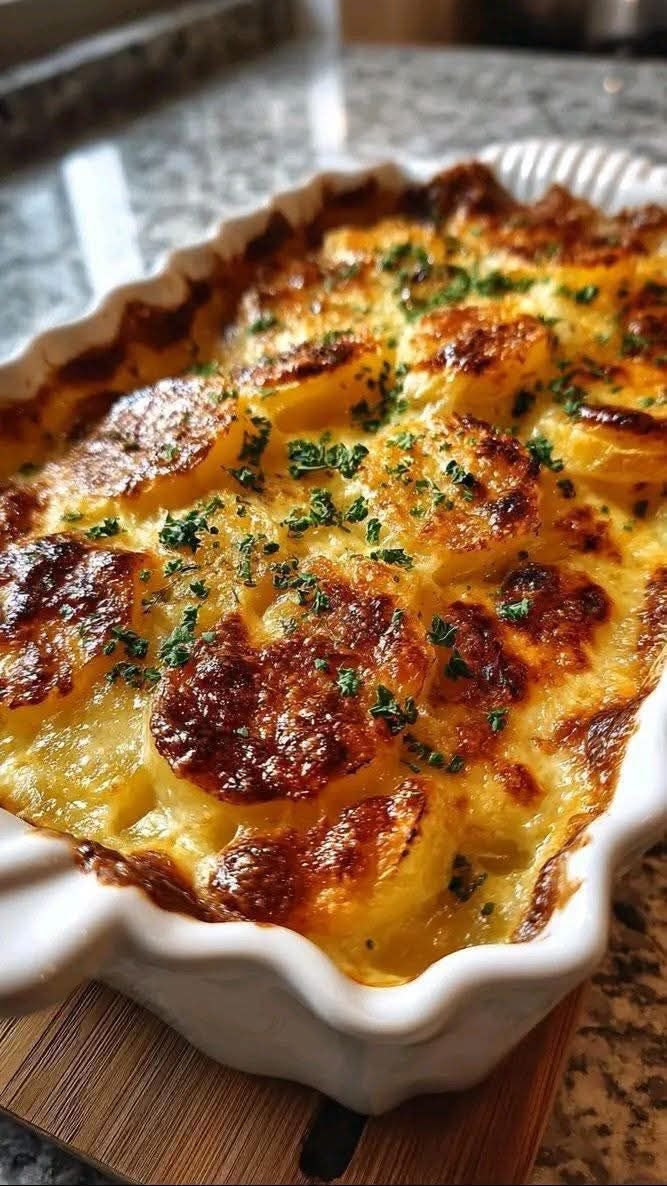
Easy Homemade Scalloped Potatoes (Rich, Cheesy & Tender)
Tender sliced potatoes baked in a rich, creamy cheddar cheese sauce until golden and bubbly.
View Recipe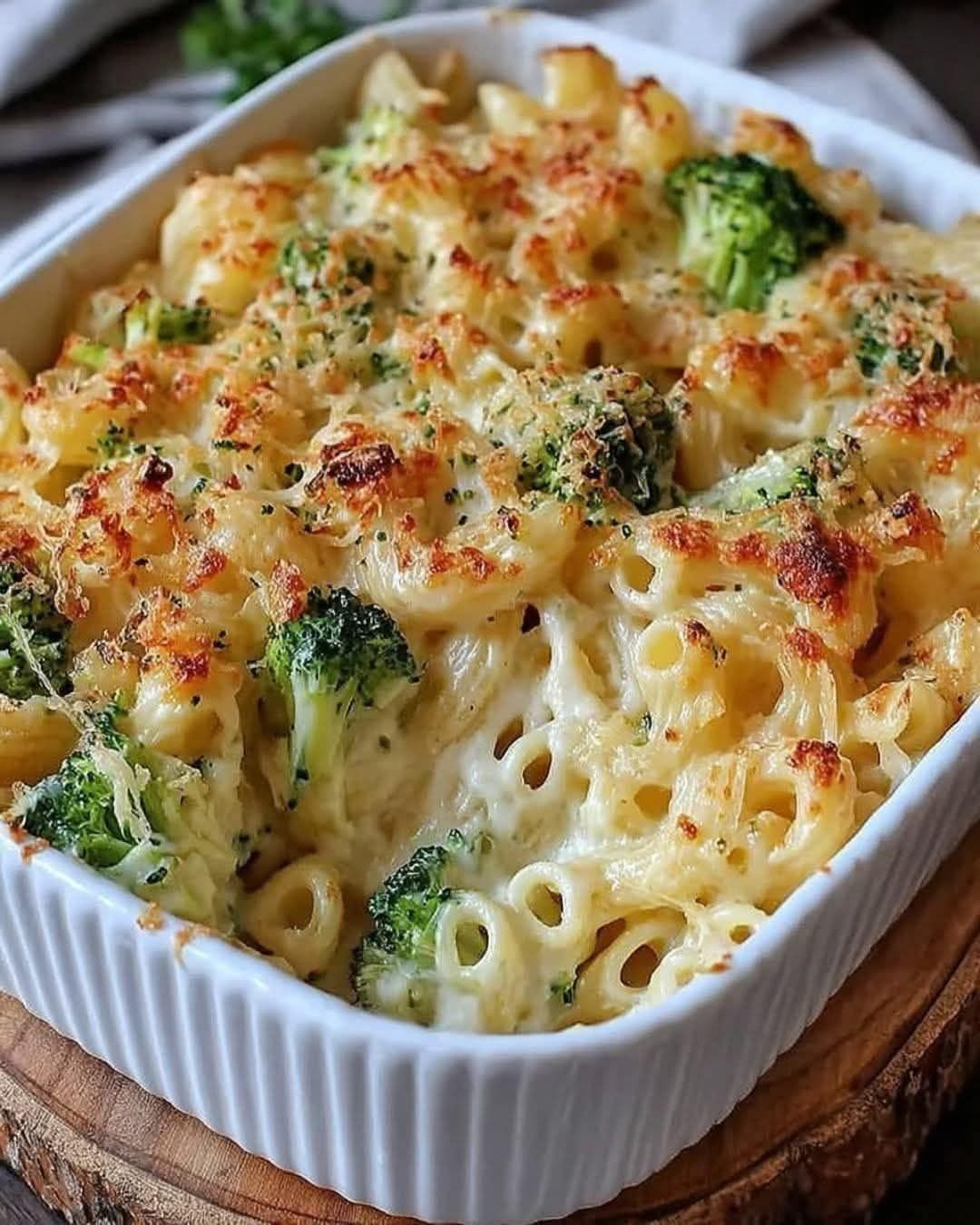
Easy Broccoli Cheddar Pasta Bake with Cream Cheese
Easy dump-and-bake broccoli cheddar pasta with creamy cheese sauce, tender pasta, and fresh broccoli baked in one dish.
View Recipe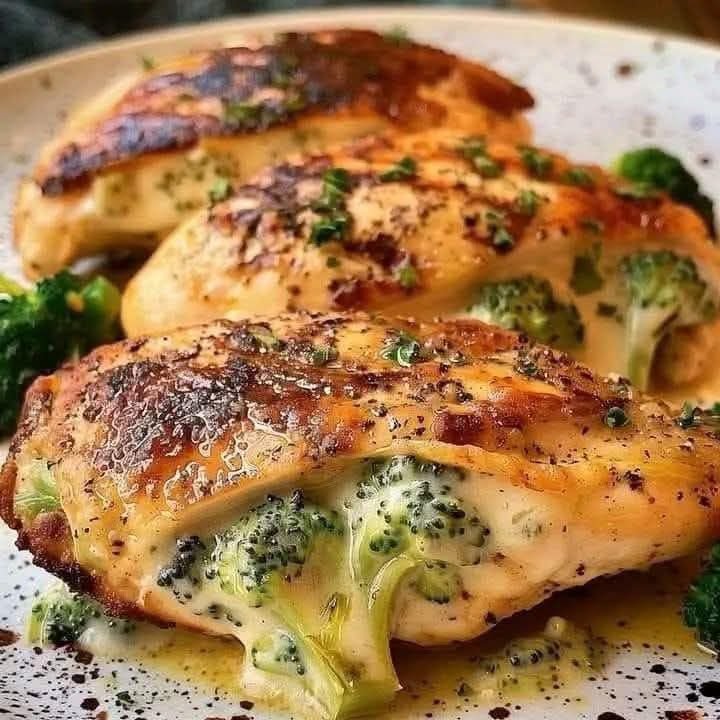
The Best Broccoli Cheddar Stuffed Chicken Breast Recipe
Juicy chicken breasts stuffed with a creamy broccoli and cheese filling, seared and baked until golden and tender.
View Recipe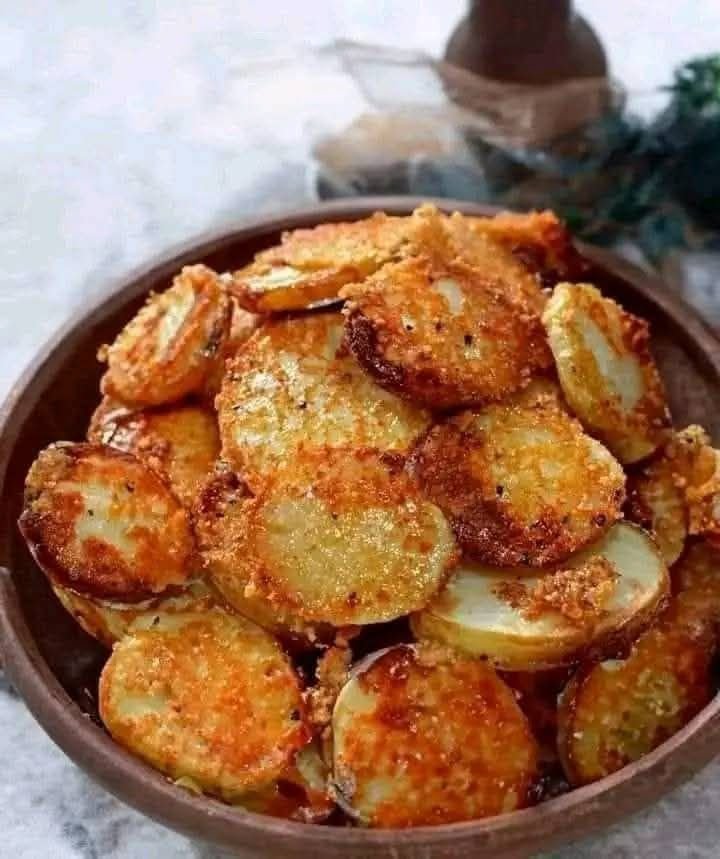
Butter Roasted Parmesan Potatoes with a Crispy Crust
Golden roasted Yukon Gold potatoes baked cut-side down in butter and Parmesan for an ultra crispy crust.
View Recipe