

Apple Cheddar Breakfast Muffins

Bake apple cheddar breakfast muffins with a lightly sweet crumb, crisp apple pieces, and sharp cheese, plus mixing and storage tips for tender results.
Printable Recipe Card
Apple Cheddar Breakfast Muffins
Bake apple cheddar breakfast muffins with a lightly sweet crumb, crisp apple pieces, and sharp cheese, plus mixing and storage tips for tender results.
20 minutes
25 minutes
55 minutes
12 servings
Breakfast
American
12 servings
220 calories
Equipment
12-cup muffin pan
Mixing bowls
Cooling rack
Ingredients
- 2 cups all-purpose flour, spooned and leveled
- 2 teaspoons baking powder
- 1/2 teaspoon fine salt
- 2 tablespoons granulated sugar
- 2 large eggs
- 3/4 cup milk
- 1/4 cup plain yogurt
- 1/3 cup neutral oil
- 1 1/2 cups peeled apple, cut into small dice
- 4 ounces sharp cheddar cheese, shredded
Instructions
- Heat oven to 375 degrees F and grease or line 12 standard muffin wells.
- Whisk flour, baking powder, salt, and sugar. In another bowl whisk eggs, milk, yogurt, and oil.
- Fold wet ingredients into dry just until a few flour streaks remain. Add apple and cheddar and fold gently until distributed; do not beat.
- Divide among muffin wells, about three-quarters full. Bake 20 to 25 minutes until tops are golden and a tester shows moist crumbs with no wet batter.
- Cool in the pan 5 minutes, then transfer to a rack for at least 5 more minutes before serving.
Notes
Nutrition is an estimate per serving, not a laboratory analysis. Brands, substitutions, and portion sizes affect the values. Image is an AI-generated illustration. This newly developed recipe has not been independently kitchen-tested. Use a mild cheddar for a softer cheese flavor. Small apple dice distribute more evenly than large chunks.
Storage
Refrigerate cooled muffins in a covered container and use within 4 days. Freeze individually up to 2 months.
Reheating
Warm briefly in the microwave or a low oven until heated through.
Variations
Use a mild cheddar for a softer cheese flavor. Small apple dice distribute more evenly than large chunks.
Nutrition
Apple cheddar breakfast muffins are lightly savory muffins with small apple pieces, sharp cheddar, and a tender crumb. They sit between a sweet apple muffin and a cheese bread, making them useful beside eggs, soup, or a simple breakfast plate. The recipe uses only a modest amount of sugar, so the apple and cheese remain the main flavors.
Small diced apples matter because large pieces can leave wet pockets and make a muffin break when split. Grated cheddar spreads more evenly than large cubes. Mix the wet and dry components separately, then combine only until the flour disappears. These are quick-bread muffins, so extra beating makes them tougher rather than fluffier.
Choose an Apple That Keeps Some Bite
Honeycrisp, Pink Lady, or a firm Gala works well. A tart Granny Smith gives more contrast with the cheese. Peel if you prefer a uniform crumb, then dice into small quarter-inch pieces. Very large chunks may stay hard or release enough moisture to create a gummy pocket around the fruit.
Measure the diced apple rather than relying on the number of fruit alone. Apple sizes vary widely, and adding a whole extra large apple can change the batter's moisture balance. A few small visible pieces in each muffin are enough. If the fruit is very juicy after cutting, blot lightly rather than adding the collected juice to the bowl.
Use Sharp Cheddar for Clear Flavor
Sharp cheddar gives more flavor than mild cheese without needing a very large quantity. Grate it from a block for a smooth melt, or use a shredded product you enjoy. Reserve a little for the tops if you want browned cheesy edges. Large cheese cubes can melt into cavities, which is a different texture from evenly dispersed shreds.
Cheddar already contributes salt, so the recipe's added amount stays moderate. A strongly smoked cheese can overshadow the apple and is better used only as part of a blend. Parmesan alone is not a direct replacement because it is drier and saltier. Choose a cheese that matches the soft savory muffin texture you want.
Mix Dry Components Thoroughly
Whisk flour, baking powder, salt, a little sugar, and a touch of cinnamon or black pepper before adding liquid. The cinnamon is optional and should be restrained if you want the muffins clearly savory. Properly distributed baking powder helps the muffins rise evenly instead of leaving one with a bitter concentrated pocket.
Measure flour lightly or by weight. A compacted cup can make a small quick bread noticeably dry. This recipe uses all-purpose flour, and replacing the whole amount with a high-fiber flour changes absorption and texture. A partial whole-wheat substitution is a gentler experiment than switching entirely to a flour with very different behavior.
Combine the Wet Mixture Before Folding
Whisk milk, eggs, oil or cooled melted butter, and a little plain yogurt until smooth. The yogurt adds tenderness without making the batter taste like dessert. Use unsweetened dairy or a compatible unsweetened milk alternative. Vanilla-flavored milk is not a useful shortcut in a cheese muffin, even if it works in sweeter baking.
Fold the wet mixture into the dry, then add apple and cheddar while a few flour streaks remain. Finish with a small number of turns. The batter may look lumpy, which is normal. Beating until completely smooth develops gluten and can create long tunnels or a rubbery texture in the baked muffins.
Portion Evenly and Bake Promptly
Grease a twelve-cup muffin pan or use liners, then divide batter evenly. A scoop helps keep the sizes consistent. Fill roughly three-quarters full rather than creating a large mound in a few cups and leaving others sparse. Add the reserved cheddar on top and bake while the leavening is active.
At 375 degrees F, begin checking near the earlier end of the range. A tester should emerge without raw batter, though melted cheese may cling to it. Look for springy tops and set edges. If you hit a wet apple piece, test a nearby area too. Cool briefly in the pan, then move to a rack so the bottoms do not steam.
Serve With a Savory Breakfast
These muffins work beside scrambled eggs, a vegetable omelet, or plain yogurt. They can also accompany chicken and wild rice soup for lunch. The apple-cheddar combination does not need frosting or a sugar glaze. A thin spread of butter is optional and best added to individual portions.
For a sweeter breakfast option, see the cinnamon cream cheese muffins. If packing lunch, let the muffins cool fully before sealing so trapped steam does not make the tops sticky. A large fruit-and-cheese muffin can be filling, so pair it with fresh produce rather than assuming several are a small snack.
Refrigerate and Warm for Another Day
Because the muffins contain moist fruit and cheese, refrigerate cooled portions within two hours and use within four days. Warm briefly before serving to soften the crumb and cheese. Do not leave a sealed bag of warm muffins on the counter; condensation softens the surface and shortens their pleasant texture.
Freeze individually wrapped muffins for up to two months for quality and thaw in the refrigerator or warm gently from frozen. Nutrition is estimated per one of twelve muffins without extra butter. Cheese brand, apple size, and milk choice affect the exact values. Keeping the batter lightly mixed and the fruit finely diced gives more consistent results than adding extra liquid or flour after the bowl already looks lumpy.
Variations
Use a mild cheddar for a softer cheese flavor. Small apple dice distribute more evenly than large chunks.
Storage and Reheating
Refrigerate cooled muffins in a covered container and use within 4 days. Freeze individually up to 2 months.
Food Safety Source
For safe cooking temperatures and food handling basics, see the USDA safe minimum internal temperature chart.
Frequently Asked Questions
Are these sweet or savory?
They are lightly sweet with a savory cheddar finish, rather than a sugary bakery-style apple muffin.
Which apple works best?
A firm apple such as Granny Smith, Honeycrisp, or Pink Lady holds small pieces well.
Why are the muffins tough?
Too much flour or vigorous mixing develops a dense crumb. Spoon and level flour and fold gently.
Can I freeze them?
Yes. Cool completely, wrap individually, and freeze up to 2 months for quality.
More Recipes You'll Love
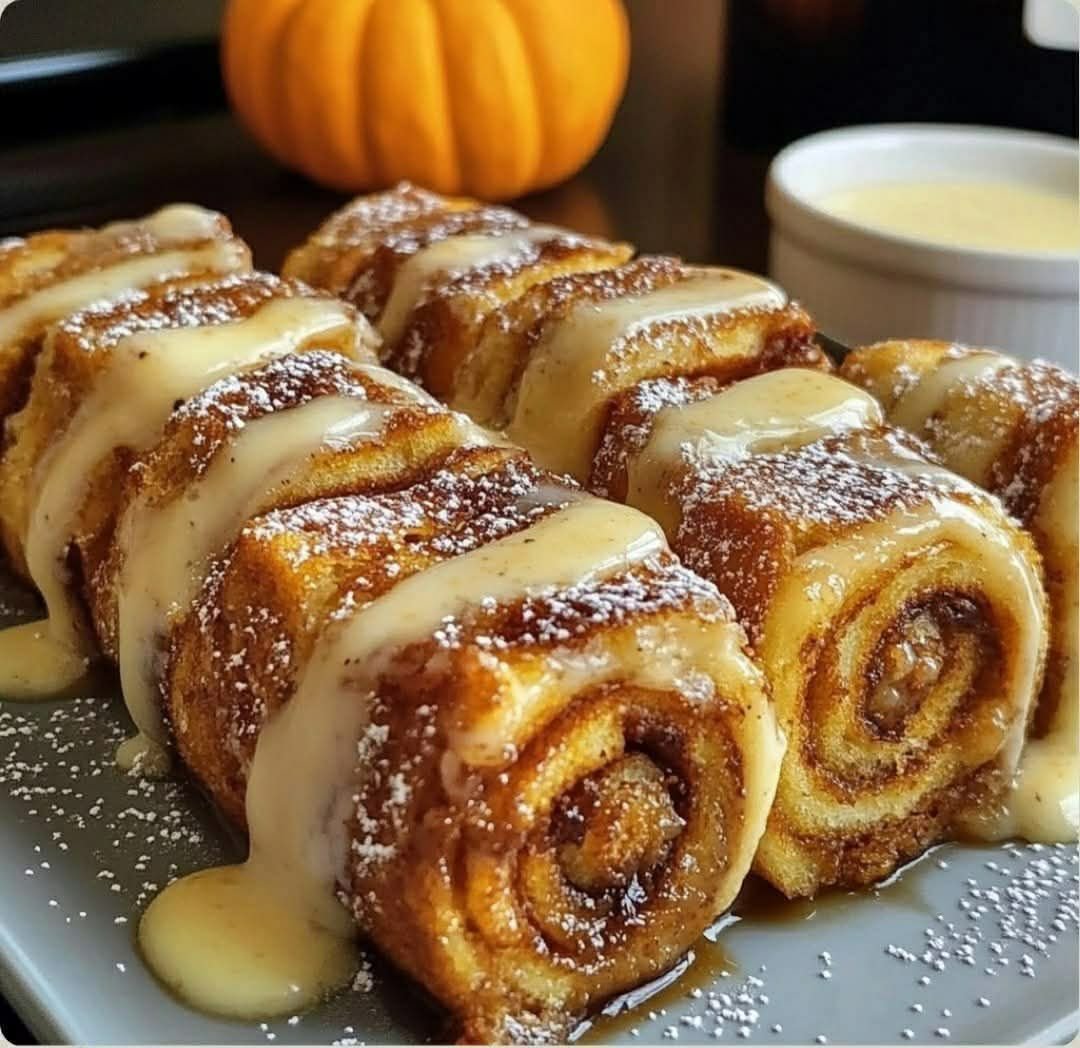
Pumpkin Spice French Toast Roll-Ups – A Fun Breakfast Treat
Sweet pumpkin-spiced French toast roll-ups filled with creamy pumpkin filling and coated in cinnamon sugar for a cozy br
View Recipe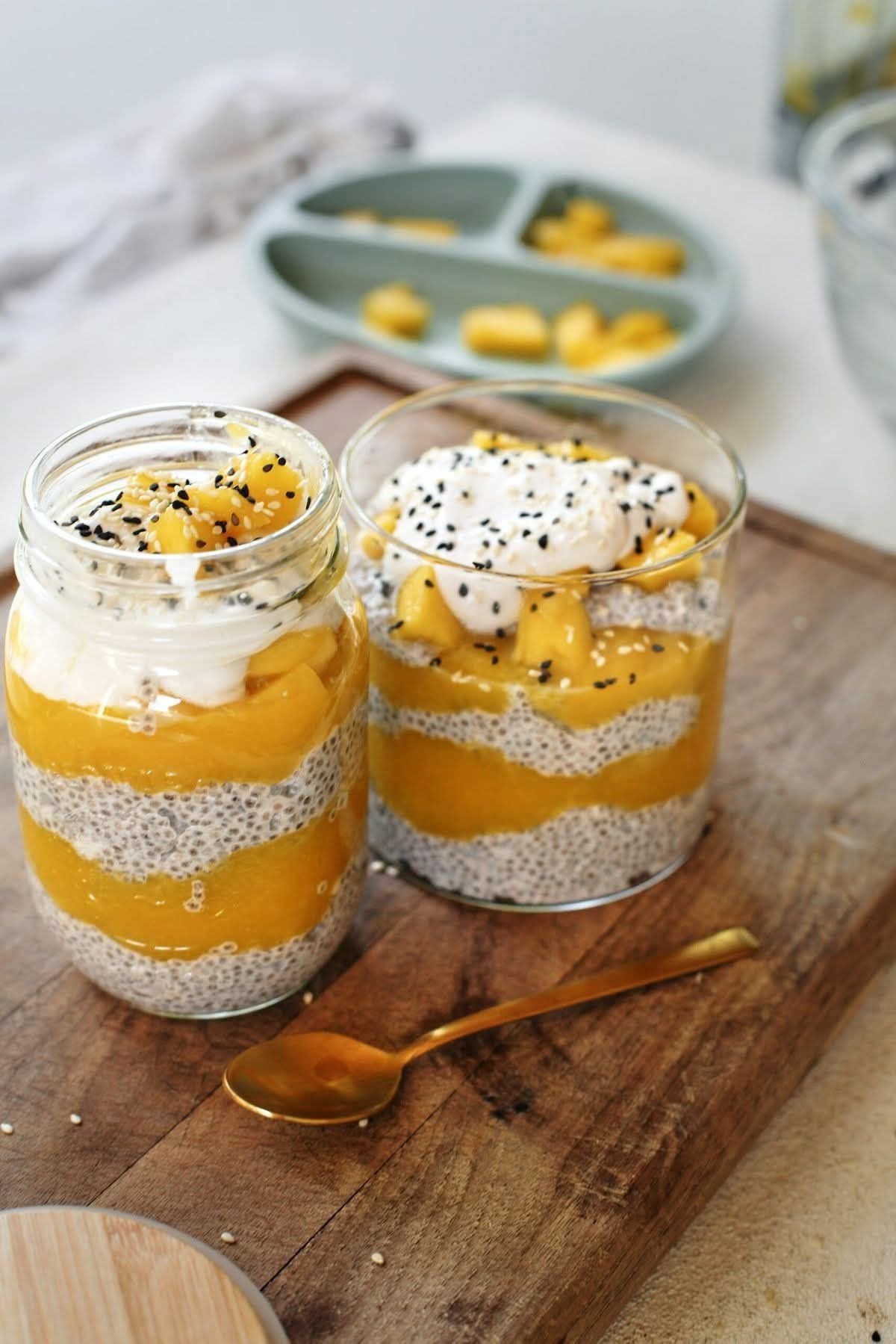
Easy Mango Coconut Chia Pudding (Healthy 4-Ingredient Breakfast)
A creamy tropical chia pudding layered with sweet mango puree and coconut milk, topped with fresh mango and coconut flak
View Recipe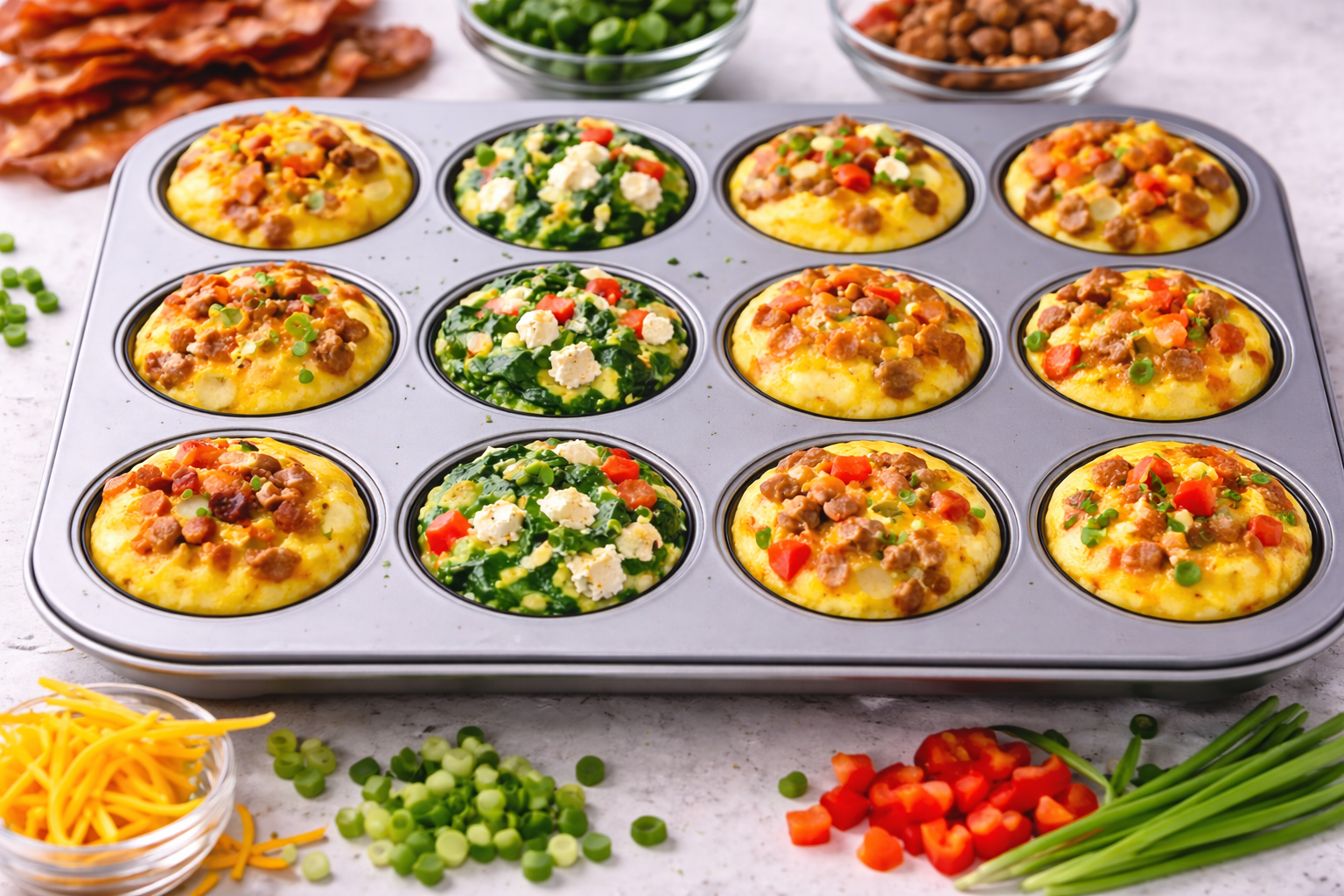
Protein-Packed Egg Muffins for Easy Meal Prep
Protein-packed egg muffins perfect for meal prep, with three easy flavor variations for grab-and-go breakfasts.
View Recipe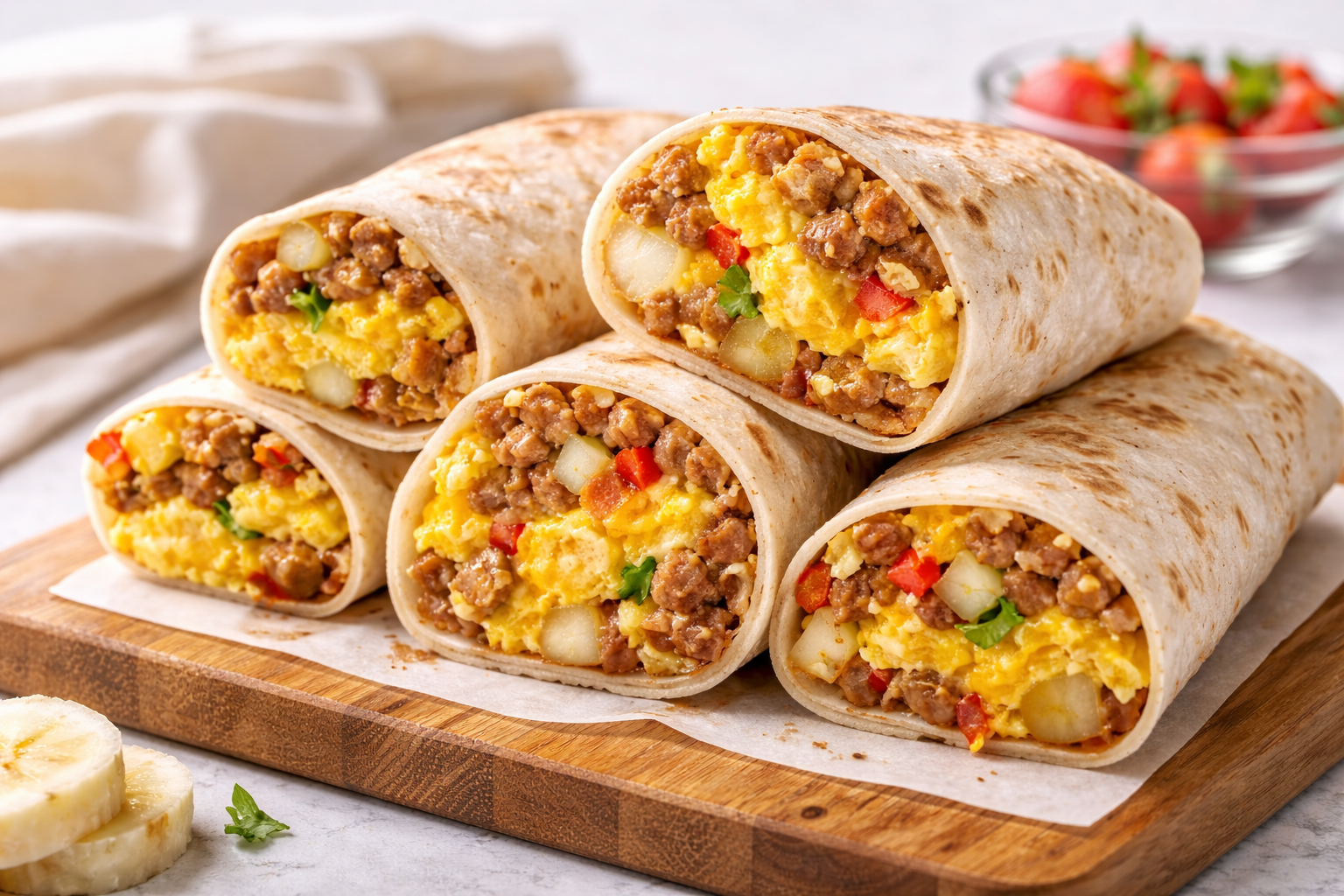
Make-Ahead Breakfast Burritos: The Freezer-Friendly Morning Game-Changer
Hearty, freezer-friendly breakfast burritos packed with eggs, sausage, cheese, and potatoes-perfect for meal prep.
View Recipe