

Creamy Chicken and Wild Rice Soup with Mushrooms

A creamy chicken soup with chewy wild rice, browned mushrooms, carrots, celery, and thyme. Cook the rice separately for better control of the texture.
Printable Recipe Card
Creamy Chicken and Wild Rice Soup with Mushrooms
A creamy chicken soup with chewy wild rice, browned mushrooms, carrots, celery, and thyme. Cook the rice separately for better control of the texture.
15 minutes
50 minutes
65 minutes
6 servings
Dinner
American
6 servings
470 calories
Equipment
Dutch oven
Medium saucepan
Whisk
Cutting board
Measuring cups
Ingredients
- 1 cup dry plain wild rice, rinsed
- 3 tablespoons unsalted butter
- 8 ounces cremini mushrooms, sliced
- 1 medium yellow onion, diced
- 2 medium carrots, diced
- 2 celery ribs, diced
- 3 garlic cloves, minced
- 1/4 cup all-purpose flour
- 6 cups low-sodium chicken broth, plus more as needed
- 1 teaspoon dried thyme
- 1/2 teaspoon black pepper
- 3 cups cooked shredded chicken, about 420 grams
- 1 cup heavy cream
- 1/2 teaspoon kosher salt, or to taste
- 2 tablespoons chopped fresh parsley
- 1 teaspoon lemon juice, optional
Instructions
- Cook the wild rice in water according to its package, usually 40 to 50 minutes, until the grains split and become tender with a little chew. Drain.
- While the rice cooks, melt butter in a Dutch oven over medium-high heat. Add mushrooms and cook 6 to 8 minutes until their moisture evaporates and the edges brown.
- Reduce to medium. Add onion, carrots, and celery and cook 6 to 8 minutes. Add garlic and cook 30 seconds.
- Sprinkle flour over the vegetables and stir for 1 minute. Slowly whisk in chicken broth, then add thyme and pepper.
- Simmer gently for 12 to 15 minutes until the vegetables are tender and the broth is lightly thickened.
- Stir in cooked chicken, drained rice, and cream. Warm gently for about 5 minutes without a hard boil; the soup and reheated chicken should reach 165 degrees F.
- Taste and add salt as needed. Finish with parsley and optional lemon juice. Loosen with extra broth if desired.
Notes
Timing assumes cooked chicken and wild rice that takes about 45 to 50 minutes. Rice and soup preparation overlap. Use the rice package and texture as your guide. Nutrition is estimated per one sixth of the batch; bread is excluded.
Storage
Refrigerate in shallow containers within 2 hours. Use within 3 to 4 days. Keep some rice separately if preparing lunches so it absorbs less broth.
Reheating
Reheat gently while stirring to 165 degrees F, adding broth to loosen. Avoid prolonged boiling after the cream is added.
Variations
Use half-and-half for a lighter broth or omit mushrooms and add another carrot. For freezing, hold the cream until after thawing and reheating.
Nutrition
Creamy chicken and wild rice soup gets its character from three things: chewy rice, browned mushrooms, and a broth that feels creamy without becoming a bowl of gravy. Carrots and celery bring sweetness, thyme keeps the flavor savory, and shredded chicken makes it substantial enough for dinner. This version cooks the wild rice separately so you can control its texture and avoid guessing how much broth it will absorb.
It is a good cold-weather meal when you want something a little more interesting than chicken noodle soup. The grains keep their shape, the vegetables soften, and a small amount of cream rounds out the broth. A six-serving pot also gives you room for lunch the next day. Keep a carton of extra broth nearby if you plan on leftovers, because wild rice continues absorbing liquid after the soup is refrigerated.
Choose Wild Rice That Will Keep Its Bite
Use plain wild rice rather than a seasoned instant packet. True wild rice has long, dark grains that open slightly as they cook. A wild rice blend is also workable, but the brown and white rice in a blend may finish before the dark grains. Read the package timing before starting and cook the rice in its own saucepan. That extra pan is useful insurance against crunchy rice or vegetables that turn to mush while you wait.
The rice is ready when most grains have split and taste tender with a pleasant chew. It should not feel hard in the center. Drain off excess water before adding it to the soup. One cup of dry wild rice usually makes enough cooked rice for this pot, but the finished volume varies by brand. If the pot already looks very thick, hold back a little rice and add it to individual bowls instead.
Brown the Mushrooms Before Adding Broth
Mushrooms give this soup a deeper flavor than broth and cream alone. Slice them about a quarter inch thick and cook them in butter over medium-high heat. A crowded pan initially releases quite a bit of water. Let that moisture evaporate, then continue cooking until you see golden edges. Stirring constantly or adding broth too soon keeps the mushrooms pale and misses that savory foundation.
Cremini mushrooms are a convenient choice, but white button mushrooms also work. Wipe away visible dirt and trim any dry stem ends. If someone at the table dislikes mushrooms, omit them and add another diced carrot rather than replacing them with a strong ingredient. The soup will be milder, but the thyme, onion, and chicken still give the broth enough flavor to stand on its own.
Build a Lightly Creamy Broth
After the mushrooms brown, the onion, carrots, and celery need a few minutes to soften. Sprinkle flour over the vegetables and stir until you no longer see dry patches. Cooking that flour for a minute removes the raw taste. Add the broth a little at a time while stirring, especially at the beginning. The first additions loosen the flour into a smooth base rather than leaving lumps floating through the finished soup.
The recipe uses one cup of heavy cream in a large pot, which makes the broth silky without covering up the chicken and rice. Add it near the end and keep the heat gentle afterward. A rolling boil is unnecessary. For a thinner soup, add warm broth in quarter-cup increments. For a thicker bowl, simmer uncovered briefly before adding the chicken and cream; prolonged boiling afterward can dry out the meat.
Pick a Practical Chicken Shortcut
Cooked shredded chicken keeps this recipe manageable while the rice simmers. Use leftover plain roast chicken, poached chicken, or a rotisserie bird with the skin removed. Taste the broth before salting because rotisserie chicken can bring a surprising amount of seasoning. Dark meat stays especially tender, while breast meat gives a lighter texture. Both work when you add them late enough that they only need to heat through.
If you are starting with raw chicken, cook it separately until the thickest part reaches 165 degrees F, then shred it. Do not assume a few minutes in the finished creamy soup will cook raw chicken safely. The timing in the recipe card assumes cooked chicken is ready to use. For another chicken meal with a different texture, save the garlic butter chicken with potatoes and corn.
A Sensible Order for a Weeknight Pot
Start the wild rice before chopping the vegetables because it is the longest part of the process. While it cooks, slice mushrooms, dice the onion, and cut the carrots and celery into pieces small enough to fit comfortably on a spoon. Build the soup base in a Dutch oven. When the vegetables are tender and the rice is cooked, combine them with the chicken and finish with cream and parsley.
You can make the work overlap without rushing the soup. If the rice needs another ten minutes, keep the vegetable broth base at a low simmer with the lid partly on. Wait to add the cooked chicken and dairy until the rice is nearly ready. This keeps the chicken tender and avoids reducing the cream for too long. The total time is a guide; the rice package and its actual texture take priority.
Fix Thick, Bland, or Overly Salty Soup
If the spoon almost stands upright, loosen the soup with warm unsalted broth. If it tastes flat, start with black pepper and a small pinch of salt, then try a teaspoon of lemon juice in the pot. Lemon should brighten the finish rather than make it taste citrusy. Add it after lowering the heat, stir, and taste again before adding more. Fresh parsley also helps lift a rich bowl.
Overly salty soup is harder to correct, so begin with low-sodium broth and season at the end. Adding cream or unsalted broth can reduce the concentration, but it also increases the volume. If the soup feels greasy, the chicken skin may have contributed extra fat; remove it before shredding next time. A glossy surface is normal, while a thick pool of oil usually means the chicken or mushrooms carried excess fat into the pot.
Swap Dairy Carefully
Half-and-half can replace the heavy cream for a lighter broth, but avoid boiling the pot after the substitution. Whole milk produces a thinner soup and may need a little more flour in a future batch. Unsweetened oat cream is another possibility if its flavor suits the mushrooms. Coconut milk is not a neutral replacement here; it adds a noticeable taste. For gluten-free cooking, replace the flour with a measured cornstarch slurry near the end and check that the broth is gluten-free.
Pack Lunches Without Losing the Broth
For meal prep, store part of the rice separately and add it when reheating individual portions. This preserves a more souplike consistency. Refrigerate the soup in shallow containers within two hours and use it within three to four days. Warm only what you plan to eat, stirring so the center heats evenly. Leftovers should reach 165 degrees F. A splash of broth usually restores the original consistency better than extra cream.
Serve with a simple green salad, toasted sourdough, or a small sandwich rather than another creamy side. If you freeze the soup, expect the dairy texture to change a little after thawing. Freezing the broth, vegetables, and chicken before adding cream gives a smoother result. The nutrition estimate covers one sixth of the listed pot without bread or other sides, and the exact sodium level depends heavily on the broth and chicken you choose.
Variations
Use half-and-half for a lighter broth or omit mushrooms and add another carrot. For freezing, hold the cream until after thawing and reheating.
Storage and Reheating
Refrigerate in shallow containers within 2 hours. Use within 3 to 4 days. Keep some rice separately if preparing lunches so it absorbs less broth.
Food Safety Source
For safe cooking temperatures and food handling basics, see the USDA safe minimum internal temperature chart.
Frequently Asked Questions
Can I use a wild rice blend?
Yes. Cook it separately using its own package timing, then drain and add it near the end. Blends often cook differently from plain wild rice.
Why is my soup thick the next day?
The rice continues absorbing broth. Add warm chicken broth while reheating, or store some rice separately for meal prep.
Can I use rotisserie chicken?
Yes. Remove the skin and shred the cooked meat. Taste before adding salt because rotisserie chicken is often seasoned.
Can I freeze chicken and wild rice soup?
For a smoother texture, freeze the broth, vegetables, chicken, and rice before adding cream. Add cream after thawing and reheating.
More Recipes You'll Love
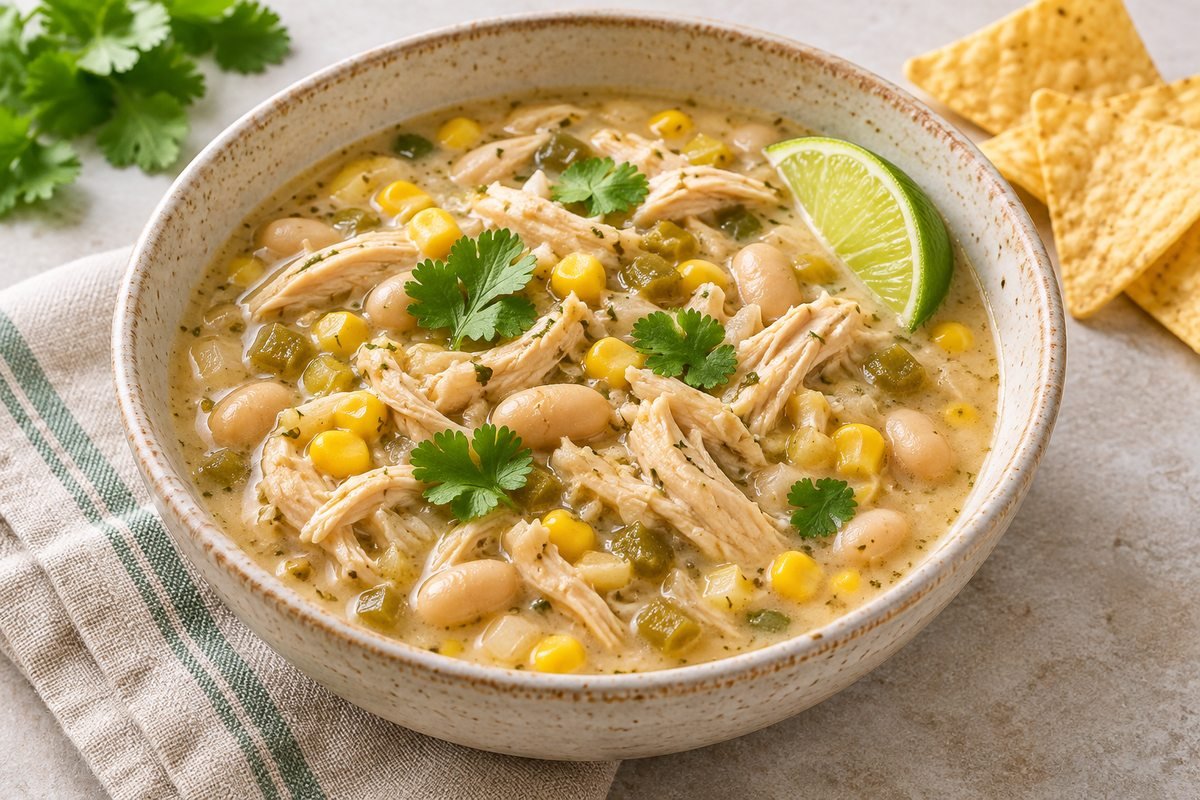
Slow Cooker White Chicken Chili with Green Chiles
A lightly creamy slow cooker chili with shredded chicken, white beans, corn, green chiles, and lime. Mash some beans to
View Recipe
Creamy Italian Sausage Soup with White Beans, Carrots, and Herbs
Hearty Italian sausage soup with cannellini beans, carrots, herbs, and a touch of cream for a rich, comforting bowl.
View Recipe
Cabbage Vegetable Soup – Light, Healthy & Flavor-Packed
Light and flavorful vegetable soup packed with cabbage, herbs, and wholesome ingredients.
View Recipe
Easy Garbanzo Bean Soup with Vegetables and Herbs
A hearty garbanzo bean soup with vegetables, tomatoes, and herbs simmered in a flavorful broth.
View Recipe