

Chocolate Orange Loaf Cake

Bake a chocolate orange loaf cake with real orange zest and a simple ganache, with tips for moist slices, clean cuts, and checking the center.
Printable Recipe Card
Chocolate Orange Loaf Cake
Bake a chocolate orange loaf cake with real orange zest and a simple ganache, with tips for moist slices, clean cuts, and checking the center.
20 minutes
60 minutes
200 minutes
12 servings
Dessert
American
12 servings
330 calories
Equipment
9-by-5-inch loaf pan
Parchment
Mixing bowls
Cooling rack
Ingredients
- 1 1/2 cups all-purpose flour, spooned and leveled
- 1/2 cup unsweetened natural cocoa powder
- 1 teaspoon baking powder
- 1/4 teaspoon baking soda
- 1/4 teaspoon fine salt
- 3/4 cup granulated sugar
- 1/2 cup neutral oil
- 2 large eggs
- 1/2 cup plain yogurt
- 1/4 cup fresh orange juice
- 1 tablespoon finely grated orange zest
- 1 teaspoon vanilla extract
- 3 ounces semisweet chocolate, finely chopped
- 1/4 cup heavy cream
Instructions
- Heat oven to 350 degrees F. Grease a 9-by-5-inch loaf pan and line with parchment leaving handles.
- Whisk flour, cocoa, baking powder, baking soda, and salt. In another bowl whisk sugar, oil, eggs, yogurt, orange juice, zest, and vanilla.
- Fold dry ingredients into wet just until evenly combined. Spread in the pan and smooth the surface.
- Bake 50 to 60 minutes until a tester in the center shows a few moist crumbs, not liquid batter. Tent loosely with foil if needed.
- Cool 15 minutes in the pan, then lift onto a rack and cool completely, about 2 hours total.
- Heat cream until steaming, not boiling. Pour over chopped chocolate, wait 2 minutes, and stir smooth. Spread over the cool loaf and let settle before slicing.
Notes
Nutrition is an estimate per serving, not a laboratory analysis. Brands, substitutions, and portion sizes affect the values. Image is an AI-generated illustration. This newly developed recipe has not been independently kitchen-tested. Use mini chocolate chips in the batter for extra texture, or omit ganache for a lighter loaf. Total time includes cooling.
Storage
Refrigerate the ganache-topped loaf covered and use within 4 days. Freeze portions up to 2 months for quality.
Reheating
Let refrigerated slices stand briefly before serving. Do not overheat the ganache.
Variations
Use mini chocolate chips in the batter for extra texture, or omit ganache for a lighter loaf. Total time includes cooling.
Nutrition
Chocolate orange loaf cake combines a moist cocoa crumb with fresh orange zest and a thin chocolate topping. The citrus should be noticeable when you cut a slice, while the chocolate remains the main flavor. It is a single-pan cake suited to coffee, a small dessert plate, or a make-ahead treat that can be sliced without assembling multiple layers.
The recipe uses oil for a soft crumb and yogurt for moisture. A little orange juice supports the zest, but the batter does not need a large citrus pour. Too much juice can thin the batter and alter its rise. The ganache is a finishing layer added after the loaf cools completely, not a thick frosting that hides the cake.
Use Zest for the Clearest Orange Aroma
Wash and dry oranges before grating only the colored peel. The white pith beneath can taste bitter. Fresh zest carries more concentrated aroma than a large amount of juice, so it is a useful way to keep the batter balanced. Rub the zest into the sugar briefly if you want to release its oils before mixing.
Orange extract is not an identical replacement and can be much stronger by volume. If using it, start with a small amount rather than matching the tablespoon measure of zest. Bottled juice may work for the small liquid portion, but it does not replace fresh zest's fragrance. Avoid using a sweetened orange drink as if it were plain juice.
Whisk Cocoa Into the Dry Mixture
Use the type of cocoa specified, a plain natural unsweetened cocoa, because acidity affects how the leavening behaves. Sift or whisk out lumps before it meets the liquid. A dry cocoa pocket can remain in the finished cake even if the rest of the batter looks smooth. Flour, cocoa, baking powder, baking soda, and salt should be evenly combined.
Measure flour lightly or by weight to avoid a dry loaf. Cocoa also absorbs liquid, so packing both into cups can make a substantial difference. This recipe is not designed around hot chocolate powder, which contains sugar and sometimes milk solids. A sweetened drink mix changes more than just the chocolate intensity.
Bring the Wet Mixture to a Similar Temperature
Eggs, yogurt, oil, orange juice, and vanilla combine more easily when they are not dramatically different in temperature. You do not need to leave them out for hours; a brief preparation period is enough. Whisk until smooth, then fold in the dry ingredients without beating aggressively. Stop when no dry streaks remain at the bottom of the bowl.
Plain full-fat yogurt gives a predictable texture. A very thick strained yogurt may need a small measured adjustment, while a sweet flavored yogurt adds sugar and competes with the orange. Oil keeps the crumb soft after refrigeration. Replacing it entirely with melted butter produces a slightly different firmness, especially when the loaf is served cold.
Line the Loaf Pan for Easier Lifting
Use a standard 9x5-inch loaf pan and line it with a parchment sling, leaving enough overhang to lift the cooled cake. Grease exposed ends lightly. A smaller pan makes a deeper loaf that needs more time and may overflow. Fill only to the intended depth rather than forcing all the batter into an undersized dish.
Spread the batter evenly and tap the pan lightly to release large air pockets. A natural center crack is normal in a loaf cake. It forms as the top sets while the middle continues rising. Do not cover it with extra batter or repeatedly open the oven to inspect it during the early bake.
Check the Center Without Drying the Edges
Bake at 350 degrees F until a tester inserted into the deepest central part comes out with a few moist crumbs but no liquid batter. Begin checking near the earlier end of the range. If the top darkens too quickly, tent loosely with foil. A loaf pan's material can change browning speed, so timing is a guide rather than proof of doneness.
Cool in the pan briefly, then lift carefully onto a rack. The loaf is delicate while very hot. Let it cool completely before ganache, because warm cake melts the topping and makes it slide. Cutting a hot loaf can also create a gummy-looking compressed slice even when the cake has baked properly.
Keep Ganache Thin and Spreadable
Pour hot cream over chopped chocolate, let it stand, then stir gently from the center until smooth. Small evenly chopped pieces melt more reliably than large chunks. Let the ganache cool until it is thick enough to stay on the loaf but still spreadable. It should form a modest glossy layer rather than a deep shell that cracks under the knife.
A little fresh zest on top is optional. For a more elaborate chocolate dessert, the mocha cake gives a different flavor direction, while chocolate raspberry roll uses a lighter cake format. This loaf is intentionally simple enough to slice for an ordinary afternoon.
Wrap Slices to Protect Their Moisture
Keep the ganache-topped loaf refrigerated in a covered container and use within four days. Bring a slice out briefly before eating so the chocolate and crumb soften. For freezing, wrap slices individually and thaw in the refrigerator. A whole ungarnished loaf can also be frozen before adding the topping later.
Nutrition is estimated for twelve slices including ganache. Very thick bakery-style portions contain more than one listed serving. Extra whipped cream or a heavy chocolate drizzle is not included. If the cake seems dry after storage, warm a slice briefly rather than pouring syrup over the whole loaf, which changes the texture and can make the center soggy.
Variations
Use mini chocolate chips in the batter for extra texture, or omit ganache for a lighter loaf. Total time includes cooling.
Storage and Reheating
Refrigerate the ganache-topped loaf covered and use within 4 days. Freeze portions up to 2 months for quality.
Food Safety Source
For safe cooking temperatures and food handling basics, see the USDA safe minimum internal temperature chart.
Frequently Asked Questions
Can I use Dutch-process cocoa?
This recipe is written for natural cocoa. A different cocoa can affect rise and flavor, so it is not the preferred direct swap.
Why did the middle sink?
Underbaking, too much liquid, or opening the oven early can contribute. Measure carefully and check the center.
Can I glaze a warm cake?
Wait until fully cool so the ganache does not slide off or soak unevenly into the top.
Can I freeze slices?
Yes. Freeze cooled slices tightly wrapped, separating them with parchment.
More Recipes You'll Love
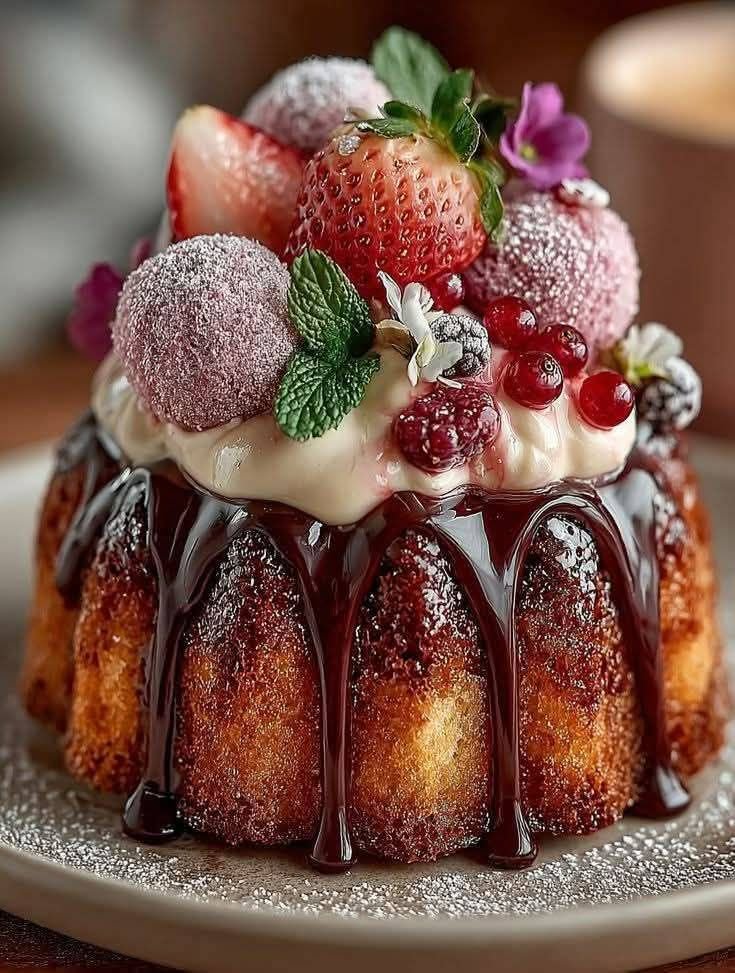
Classic Bundt Cake with Silky Chocolate Ganache and Berries
A soft vanilla Bundt cake topped with silky chocolate ganache, whipped cream, and fresh berries for an elegant dessert c
View Recipe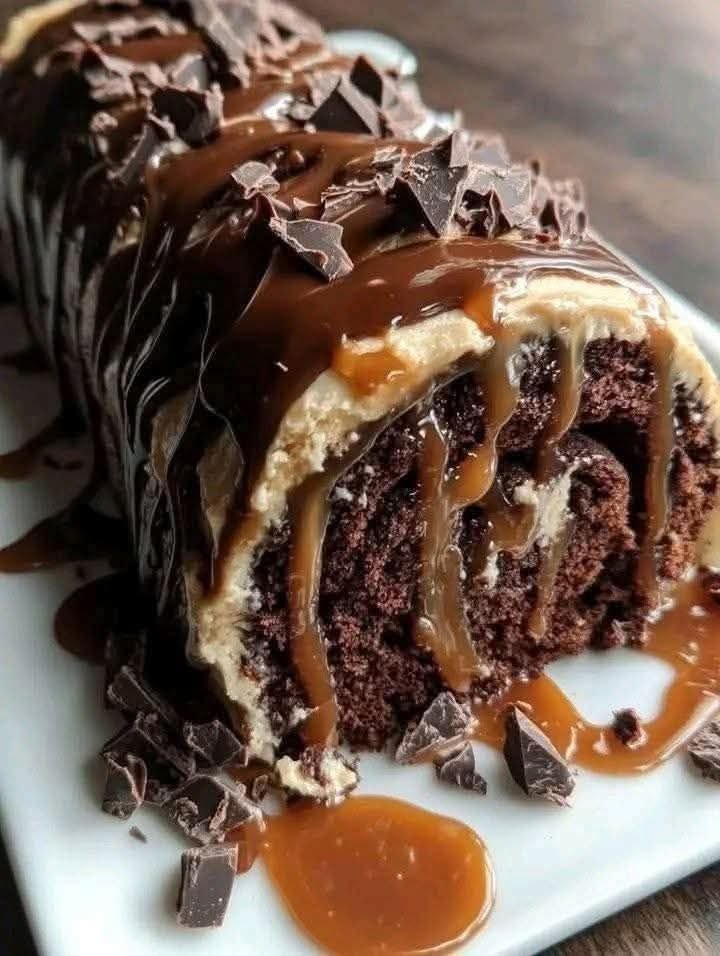
Easy Chocolate Caramel Cake Roll (Turtle Style)
A rich chocolate cake roll filled with gooey caramel and crunchy pecans, finished with a silky chocolate ganache.
View Recipe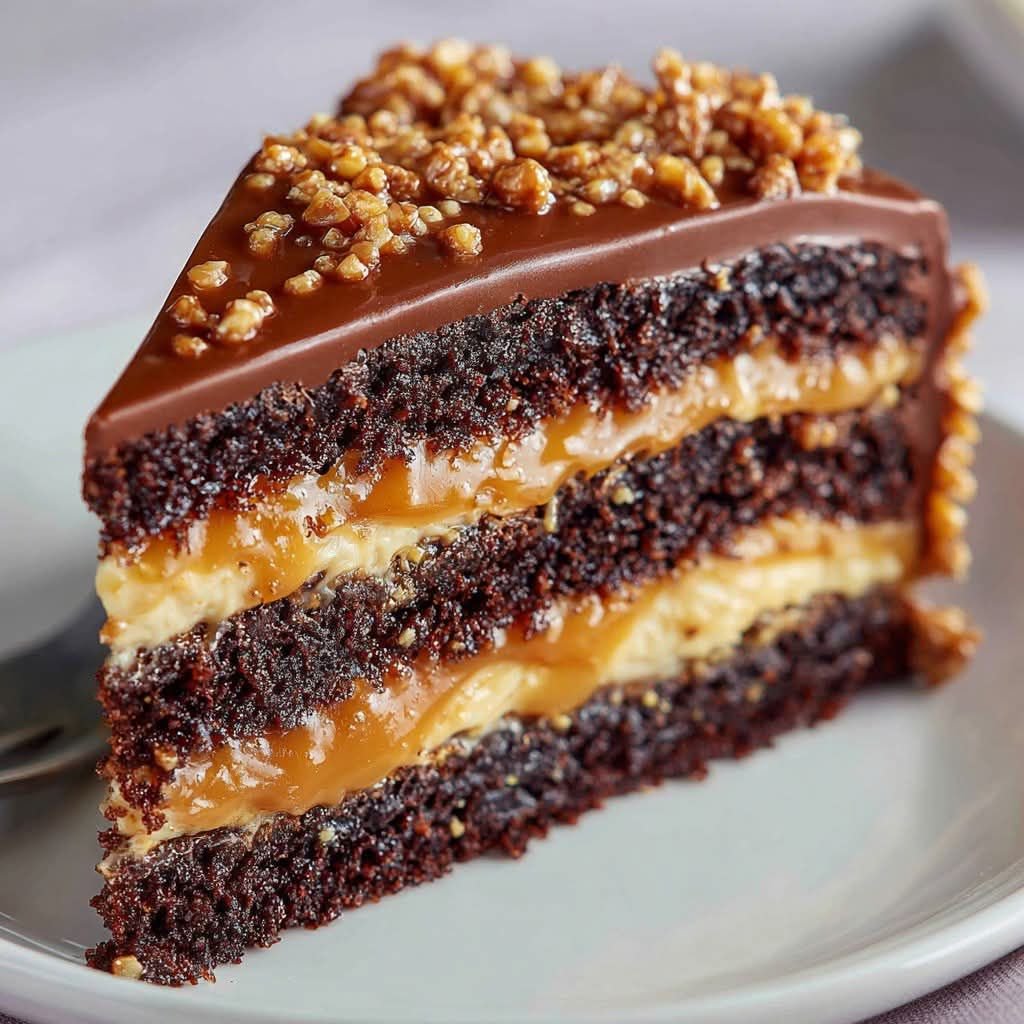
Rich Chocolate Cake with Caramel Drizzle and Toffee Crunch
Moist chocolate cake layered with rich caramel sauce, whipped frosting, and crunchy toffee bits for a decadent sweet-and
View Recipe
Pomegranate Chocolate Fudge Cake – Rich, Decadent & Beautiful
Rich chocolate fudge cake topped with glossy ganache and fresh pomegranate arils for a decadent and slightly tart desser
View Recipe